
There is a particular quality of light that a Montana sapphire holds — a steely, self-possessed blue that refuses to perform under artificial light the way other sapphires sometimes do. It does not chase the deep velvety saturation of a Ceylon stone, nor the gossamer cornflower of Kashmir. It occupies its own chromatic territory entirely, and that singularity is precisely what has driven collectors, designers, and serious buyers to seek it out with growing urgency. The montana sapphire is not a substitute for any other origin. It is its own argument.
Yet for all the enthusiasm surrounding it, surprisingly few buyers understand why the colour behaves as it does, what makes one blue montana sapphire worth multiples of another, or how montana sapphire price per carat stacks up against Ceylon, Madagascar, and Australian material in a fair comparison. This article addresses exactly those questions — with the depth and precision that a stone of this calibre deserves.
- Montana sapphires form under geologically unique conditions that produce a distinctive iron-and-titanium colour chemistry found in no other major sapphire deposit.
- The Yogo Gulch sub-variety commands the highest price premium within Montana production due to its Natural untreated violet-blue and exceptional clarity.
- Colour grading for Montana material follows different benchmarks than Ceylon or Kashmir — saturation and tone targets differ meaningfully across origins.
- Fine unheated Montana sapphires at one to two carats now routinely trade between USD 800 and USD 3,000 per carat, with Yogo material reaching significantly higher.
- Montana sapphire engagement ring demand has outpaced supply for several consecutive years, creating a genuine scarcity premium on gem-quality pieces.
Geological Origin: What Makes Montana Sapphires Different
Corundum deposits form through several geological pathways — metamorphic, magmatic, and metasomatic — and the pathway matters enormously to the resulting stone. Most of the world’s prized sapphires, including the Ceylon stones we explore in depth in our Ceylon Sapphire Buyer’s Guide, originate in metamorphic environments where marble or gneiss hosts the crystal growth. Montana’s deposits are strikingly different.
The sapphires of Yogo Gulch in Judith Basin County crystallised within an alkaline igneous dyke — a vertical intrusion of lamprophyre rock that essentially injected gem-bearing minerals directly into the landscape. This origin type is exceptionally rare globally and contributes directly to the stone’s famous freedom from inclusions and its characteristic colour. The alluvial deposits along the Missouri River and at Rock Creek, meanwhile, represent ancient placer concentrations of secondary sapphires eroded from their primary sources. These too exhibit distinct chemistry from their Southeast Asian counterparts.
The chromophoric chemistry of a Montana sapphire is primarily driven by iron and titanium — the same pairing responsible for blue sapphire colour elsewhere — but the specific concentrations and ratios differ markedly from Sri Lankan or Cambodian material. The result is a colour that leans cooler, often greener or more teal in secondary hues, with a metallic brilliance that gemmologists describe as a “steely lustre.” This is not a flaw. Among informed collectors, it is the entire point.
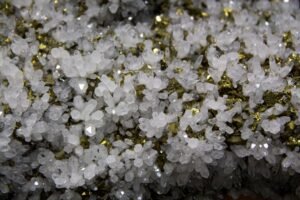
Raw montana sapphire from alluvial gravels — what hobbyists call montana sapphire gravel — can be purchased for recreational mining experiences at Rock Creek and other licensed areas. The raw montana sapphire price per carat for such material is modest, often a few dollars per carat in rough form, but gem-quality facetable crystals within that gravel can be worth hundreds of times more. The sorting process itself is part of the stone’s provenance story.
Colour Grading Montana Sapphires: Tones, Hues, and Saturation
 Gemstone, showcasing brilliance.” style=”–smush-placeholder-width: 1880px; –smush-placeholder-aspect-ratio: 1880/1254;width:100%;max-width:860px;height:auto;border-radius:6px;” class=”wp-image-8715 lazyload” data-srcset=”https://yalagems.com/wp-content/uploads/2026/06/montana-sapphire-colour-origin-price-premium-1781092984004-2.jpg 1880w, https://yalagems.com/wp-content/uploads/2026/06/montana-sapphire-colour-origin-price-premium-1781092984004-2-300×200.jpg 300w, https://yalagems.com/wp-content/uploads/2026/06/montana-sapphire-colour-origin-price-premium-1781092984004-2-1024×683.jpg 1024w, https://yalagems.com/wp-content/uploads/2026/06/montana-sapphire-colour-origin-price-premium-1781092984004-2-768×512.jpg 768w, https://yalagems.com/wp-content/uploads/2026/06/montana-sapphire-colour-origin-price-premium-1781092984004-2-1536×1025.jpg 1536w, https://yalagems.com/wp-content/uploads/2026/06/montana-sapphire-colour-origin-price-premium-1781092984004-2-1200×800.jpg 1200w, https://yalagems.com/wp-content/uploads/2026/06/montana-sapphire-colour-origin-price-premium-1781092984004-2-1320×880.jpg 1320w, https://yalagems.com/wp-content/uploads/2026/06/montana-sapphire-colour-origin-price-premium-1781092984004-2-600×400.jpg 600w” data-sizes=”(max-width: 1880px) 100vw, 1880px” src=”data:image/gif;base64,R0lGODlhAQABAAAAACH5BAEKAAEALAAAAAABAAEAAAICTAEAOw==” />
Colour grading any sapphire involves three variables: hue (the dominant colour family), tone (light to dark), and saturation (the intensity of the colour). For Montana material, the hue range is unusually broad — running from pale cornflower blue through teal, green-blue, and occasionally vivid green. This range reflects the variability of iron content across different zones of each crystal and across different micro-environments within the deposit.
The most commercially desirable colour in the current market for Montana sapphires is a medium-toned blue with a slight violet secondary hue — sometimes called “electric blue” by trade buyers. Stones in this range with strong saturation and no greenish modifier are the ones commanding the highest prices. Teal stones occupy a growing niche of their own, particularly for montana sapphire engagement ring clients seeking something distinctly non-traditional.
Tone is a critical differentiator. Montana material that is too dark (above approximately 75% tone) loses the characteristic brilliance that makes the origin special. Stones that are too light (below 40% tone) are considered “sleepy” and trade at a discount. The sweet spot sits between 50–70% tone, and the finest Yogo stones hit this mark with remarkable consistency — a direct consequence of their lamprophyre formation environment, which limited crystal growth to smaller, more evenly coloured specimens.
Unlike Kashmir sapphire, which has a well-established colour benchmark (a velvety cornflower at medium tone), Montana sapphire grading lacks a single universally agreed-upon ideal. Laboratories such as GIA and Gübelin describe Montana colour characteristics on origin reports, but the relative value assigned to teal versus pure blue versus violet-blue varies between auction houses and private dealers. Buyers should educate themselves on this spectrum before purchasing — or, better still, speak with our gemologists before making a decision.
One of the most overlooked aspects of Montana sapphire colour is its performance under different light sources. Many Montana stones — particularly those with a teal or green-blue secondary hue — shift perceptibly between daylight and incandescent light. This is not a colour-change phenomenon in the formal gemmological sense, but it is a meaningful behavioural characteristic that a buyer should evaluate in person. A stone that reads as a pure blue in the showcase may reveal its green secondary hue under a warm dining room light. Neither state is inferior, but buyers deserve to know both faces of the stone they are acquiring.
Yogo Gulch vs Alluvial Deposits: A Price and Quality Comparison
Not all Montana sapphires are created equal, and nowhere is that more visible than in the price differential between Yogo Gulch stones and alluvial material from Rock Creek or the Missouri River. Yogo sapphires are widely considered the finest naturally untreated blue sapphires produced in North America. Their combination of consistent colour, high clarity, and documented provenance makes them a benchmark within the Montana category.
A key commercial reality: Yogo sapphires are almost never heated. The colour they display in the market is their natural colour, and laboratory reports confirming no heat treatment are standard for well-documented Yogo material. This absence of treatment is a significant value driver in the current market, where sophisticated buyers — particularly those purchasing montana sapphire jewelry as a long-term holding — demand full disclosure and treatment-free stones.
Alluvial Montana material, by contrast, is more variable. Some stones are also naturally untreated and command excellent prices. Others benefit from heat treatment to improve clarity or optimise colour. The treatment question is not unique to Montana — it runs through every sapphire origin — but it is especially important here because the Montana premium is partly built on the assumption of natural colour. A heated alluvial Montana stone at the same price as an unheated Yogo is not the same proposition at all.
| Origin / Type | Typical Colour Profile | Treatment Rate | Price Range (USD/ct, 1–2ct gem quality) | Key Value Driver |
|---|---|---|---|---|
| Yogo Gulch, Montana | Violet-blue, medium tone, strong saturation | Very low (typically none) | USD 1,500–USD 5,000+ | Provenance, natural colour, clarity |
| Rock Creek / Missouri River (Alluvial Montana) | Blue, teal, green-blue — wide range | Moderate | USD 400–USD 2,500 | Origin story, colour variety, affordability |
| Ceylon (Sri Lanka) | Cornflower to royal blue, varied | High (most heated) | USD 500–USD 8,000+ (unheated premium) | Heritage, breadth of colour, liquidity |
| Madagascar | Royal blue to pale blue | Very high | USD 200–USD 1,500 | Availability, colour intensity when heated |
| Kashmir | Velvety cornflower blue | Very low | USD 15,000–USD 100,000+ | Extreme rarity, auction prestige |
Montana Sapphire Price Premium: How Origin Affects Value
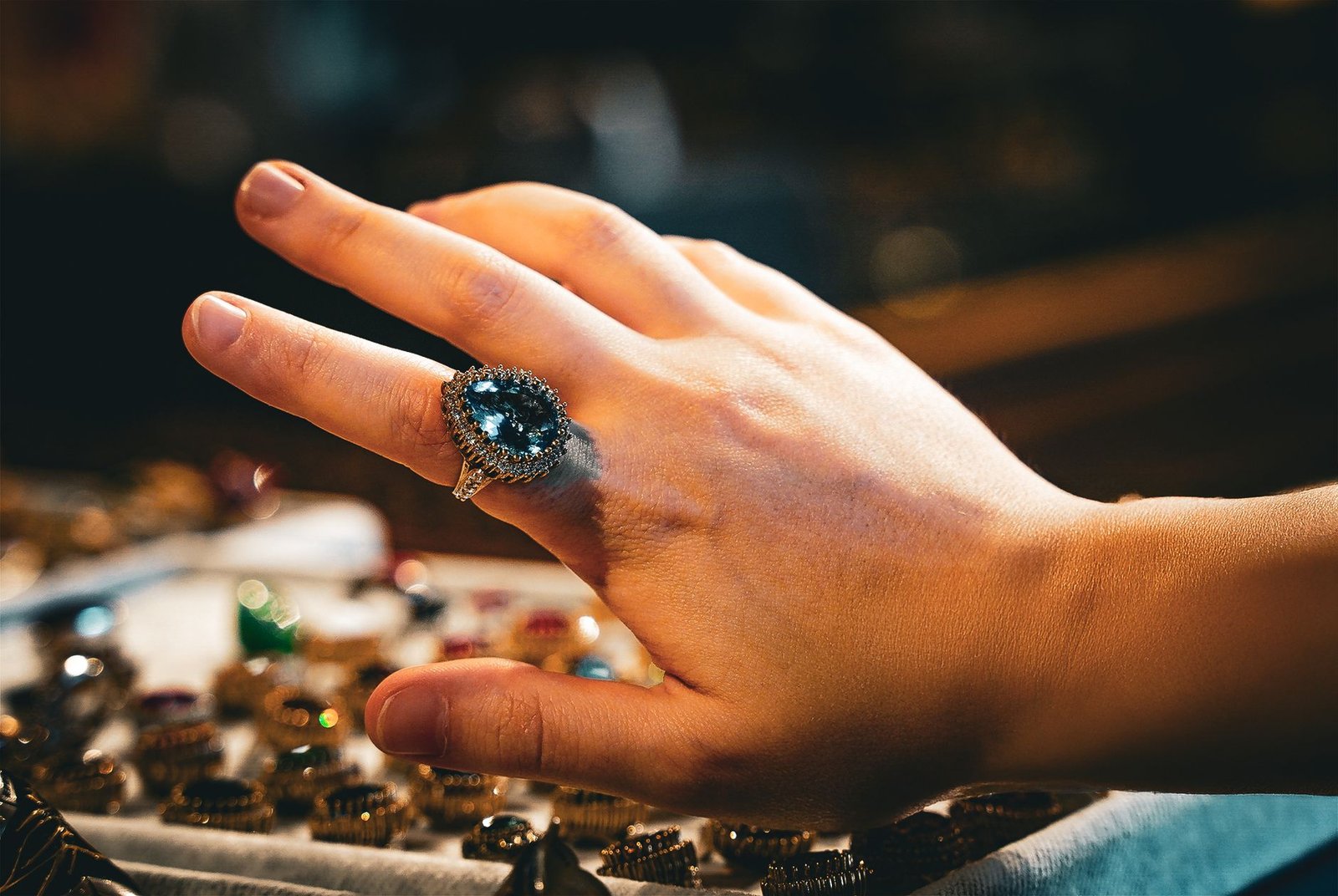
The question of how much extra a buyer should pay for a Montana origin — relative to, say, Madagascar or Australian material of comparable appearance — is one that rewards careful analysis. Origin premiums in the sapphire market are not arbitrary. They reflect a combination of rarity, treatability, cultural cachet, and documented provenance.
For comparable colour and clarity at the one-to-two carat range, a Montana sapphire will typically command a 30–80% premium over equivalent Madagascar material and a 50–120% premium over Australian blue sapphire. The gap against unheated Ceylon material is narrower — perhaps 20–40% in Montana’s favour at the lower quality tiers, converging at the top. Against heated Ceylon, Montana’s unheated premium is substantial and growing as the market increasingly rewards transparency.
The yogo sapphire price per carat deserves specific attention. Fine Yogo stones above two carats are genuinely scarce — the deposit produces small crystals by nature, and large Yogo sapphires are almost unknown. This size scarcity imposes an additional premium beyond the colour and treatment story. A Yogo stone at three carats is not merely three times the price of a one-carat Yogo; it may be five to eight times the price, reflecting its rarity at that size.
For buyers in Singapore, the montana sapphire singapore market has expanded significantly in recent years. Demand for distinctive, ethically sourced, naturally coloured stones has grown across the region, and Montana material — with its American provenance and well-documented supply chain — appeals strongly to buyers who are drawn to transparency. At Yala Gems, we source Montana material with full laboratory documentation, ensuring that every stone’s origin and treatment status is unambiguous before it reaches a client’s hands. Whether you are searching for a montana sapphire engagement ring singapore or a collector-grade loose stone, provenance documentation is non-negotiable.
“A Montana sapphire does not need to compete with Kashmir or Ceylon. It carries its own geological fingerprint — one that is increasingly recognised by astute collectors as irreplaceable. The American origin story, the natural untreated colour, and the scarcity of fine material above two carats make it one of the most interesting value propositions in coloured stones today.”
When evaluating montana sapphire price per carat in the secondary market or at auction, buyers should scrutinise the laboratory report carefully for two specific data points: the origin determination (Montana confirmed, not merely “USA”) and the heat treatment conclusion. Many reports will also describe the deposit type — Yogo vs alluvial — which directly informs value. A stone described only as “Montana” without deposit specification on its certificate is a stone with an incomplete story, and pricing should reflect that ambiguity. If you are purchasing as a natural Gemstone Investment or heirloom piece, deposit-level provenance is worth requesting from the seller.
Buying Montana Sapphire in Singapore: What to Know
Finding genuine, well-documented Montana sapphire material in Singapore requires navigating a market that is still maturing in its familiarity with American origin stones. Many regional dealers stock primarily Ceylon, Madagascar, and Burmese material. Montana sapphires — and Yogo material in particular — are stocked by only a handful of specialists who actively source from the United States.
For buyers who prefer to buy Gemstone online, the risk is meaningful. Montana sapphire is a category where photographs do not reliably convey the colour’s behaviour under different light sources, and where the difference between a genuine Yogo and a misrepresented alluvial stone is invisible without documentation. Reputable online sellers will provide GIA, Gübelin, or Lotus reports as standard. If a seller listing Montana sapphires cannot provide a recognised laboratory certificate, proceed with caution regardless of the price.
When you are ready to explore Montana material — whether for a montana sapphire ring, a loose collector piece, or a bespoke montana sapphire engagement ring — we invite you to speak with our gemologists directly. Our team sources across all major sapphire origins, and we can walk you through direct comparisons between Montana, Ceylon, and other origins in person at our Singapore boutique. Understanding how each stone reads under different light conditions, in different settings, against different skin tones — that is knowledge that only a physical viewing can provide.
For those researching where to buy montana sapphire in singapore or comparing montana sapphire ring price singapore across retailers, we recommend prioritising documentation and gemologist access over price alone. A well-certified Montana sapphire purchased at a fair price from a knowledgeable source is a far better acquisition than a discounted stone with an ambiguous backstory. The premium the stone commands in future valuations will depend entirely on what its paperwork says.
Frequently Asked Questions
Final Thoughts
Montana sapphire occupies a genuinely singular position in the coloured stone hierarchy. Its geological origin — unique on a global scale — produces colour characteristics that no treatment can replicate and no other deposit consistently delivers. Understanding the distinction between Yogo material and alluvial Montana stones, grasping the colour grading criteria that separate a fine stone from a commercial one, and knowing how the origin premium compares to Ceylon, Madagascar, and Kashmir material — these are the insights that separate confident buyers from uncertain ones.
If you are building a broader understanding of sapphire origins and value, our Ceylon Sapphire Buyer’s Guide provides the foundational framework for comparing origins across the full sapphire spectrum. Montana material is best understood in that context — as one extraordinary chapter in a much larger story of geological chance and human desire.
Whether you are searching for a montana sapphire engagement ring singapore, evaluating a loose collector stone, or simply beginning your research, the conversation starts with the right knowledge — and the right people.
Explore Montana Sapphires With a Specialist
Our gemologists at Yala Gems are available to guide your search for certified Montana sapphire — whether you are buying online or visiting our Singapore boutique in person.