

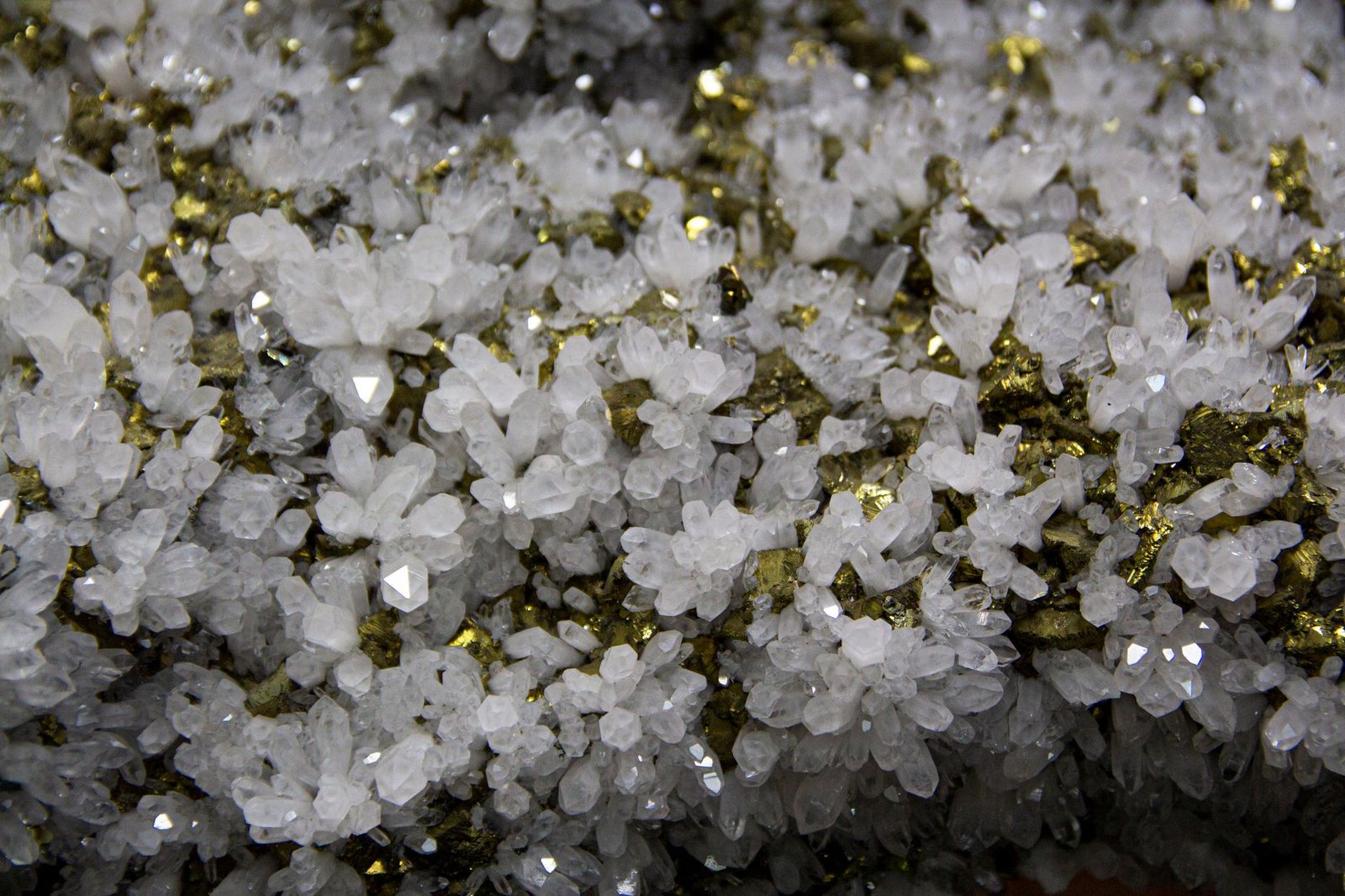
Every few years, the earth surrenders something extraordinary. A miner’s pickaxe strikes an impossible violet crystal in the highlands of Tanzania. A river deposit in Mozambique yields rubies of a depth and saturation that rewrite price benchmarks overnight. These are not footnotes in geological history — they are seismic events that reshape collector markets, redirect investment capital, and send gemologists racing to update their reference materials. Rare gemstone discoveries are among the most compelling stories in the luxury world, precisely because they are so gloriously unpredictable.
What distinguishes a truly significant find from a routine mine output? It is the convergence of geological rarity, commercial scale, and market timing. A single exceptional deposit can introduce a species to collectors who had never considered it, elevate origin premiums for an entire colour category, and — in the most dramatic cases — create an entirely new gemstone on the market. This article focuses tightly on the discovery stories themselves: where they happened, what was found, and how the market responded.
- Several landmark rare gemstone discoveries in the past two decades have permanently altered collector hierarchies and per-carat price benchmarks.
- New mine origins — particularly in East Africa — now challenge traditional sources in Burma, Ceylon, and Colombia for top-tier prestige.
- A discovery’s market impact depends not just on the stones found, but on the scale, sustainability, and certification infrastructure that develops around the deposit.
- Newly discovered gemstone species such as Grandidierite and Painite have moved from academic curiosity to active collector pursuit within a single decade.
- For buyers in Singapore and across Asia, understanding discovery provenance is increasingly central to assessing the value and investment potential of rare colored gemstones.
East Africa Rewrites the Gemstone Map
For most of the twentieth century, the prestige origins in the coloured gemstone world were defined by a handful of storied locales — Kashmir for Sapphire, Burma for ruby, Colombia for Emerald. That geography began shifting dramatically in the early 2000s with a series of remarkable rare gemstone discoveries along the East African belt. The consequences for the global market have been profound and ongoing.
The Montepuez ruby deposit in northern Mozambique, discovered in 2009 and brought to commercial scale by 2012, stands as one of the most significant finds of the modern era. The mine yielded rubies with a saturated red and strong fluorescence that drew immediate comparisons to Burmese material. Within five years of serious production, Mozambique rubies were commanding record prices at major auction houses — a Christie’s Geneva sale in 2015 saw a 25.59-carat Mozambique ruby ring exceed $1.2 million per carat. An origin once absent from the collector’s vocabulary had become the benchmark for accessible top-quality ruby.
Tanzania’s contribution has been equally extraordinary. The Merelani Hills — a narrow belt of metamorphic rock near Arusha — remain the only known source of Tanzanite in the world. First discovered in 1967 but commercially underexplored for decades, renewed mining activity and tightening supply in recent years have driven Tanzanite’s transformation from an affordable novelty into a genuinely scarce natural gemstone. Geological surveys now suggest that the commercially viable deposit may be exhausted within two to three decades, a timeline that has sharpened collector appetite considerably.
The East African gemstone corridor — stretching from Ethiopia through Kenya, Tanzania, and Mozambique — is geologically one of the most mineralogically complex zones on earth. The intersection of ancient Precambrian cratons with younger metamorphic belts creates the precise pressure, temperature, and fluid chemistry conditions required for exceptional crystal growth. When a new deposit emerges from this region, experienced collectors pay immediate attention — not merely out of curiosity, but because the geological pedigree of the zone lends credibility to any significant find from the outset.
From Near-Myth to Market: Painite, Grandidierite, and Emerging Species
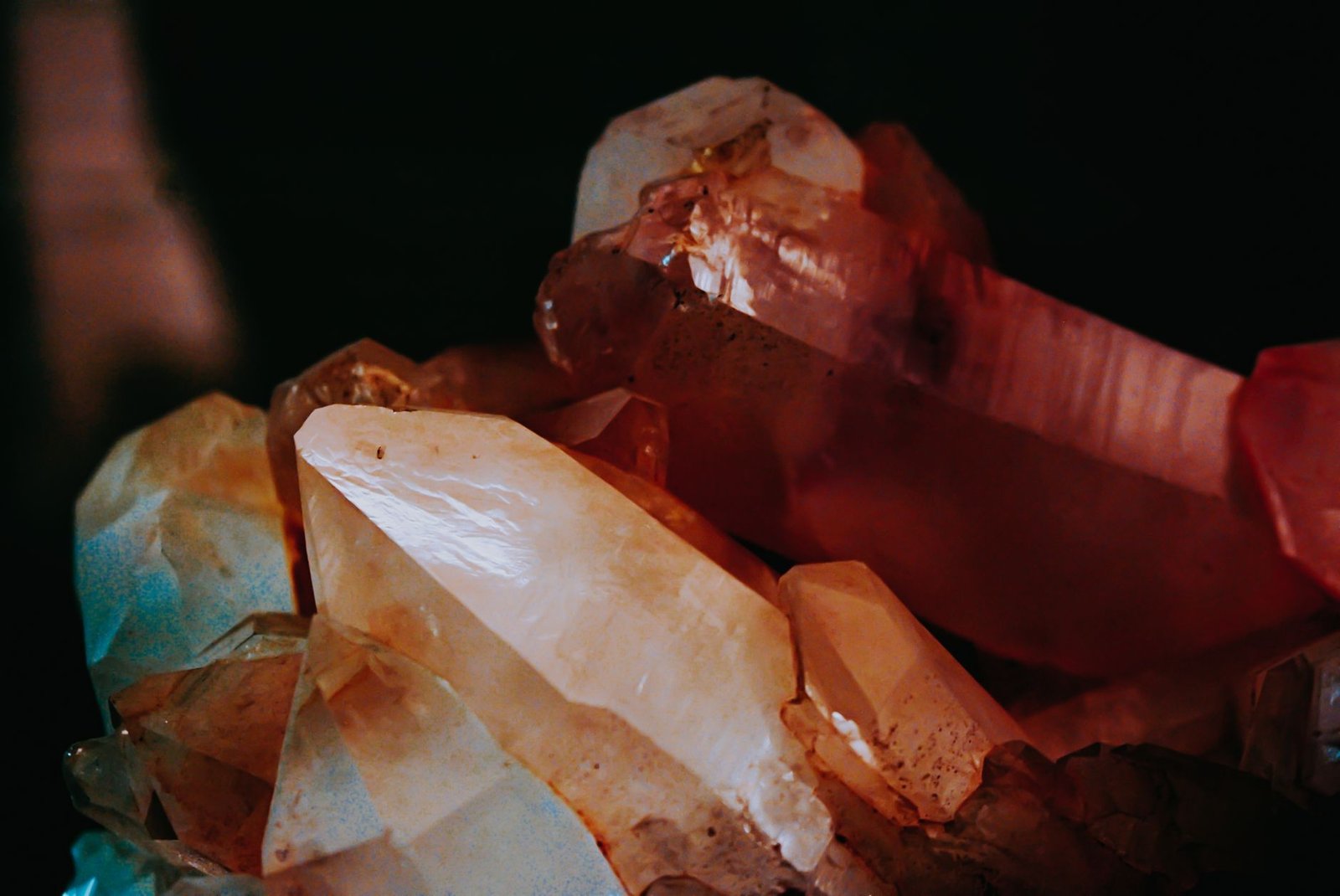
Some of the most dramatic rare gemstone discoveries of recent decades involve not new deposits of established stones, but entirely new species arriving on the collector market for the first time. Painite offers perhaps the most striking example. First identified in Burma in the 1950s by British mineralogist Arthur Pain, the stone was so scarce that fewer than three known specimens existed for decades. Then, in the early 2000s, additional deposits were located in Myanmar’s Mogok Valley, and the number of known facetable stones grew from single digits to several thousand. It remains, by any measure, one of the rarest gemstones ever discovered — but collectors can now actually acquire one.
Grandidierite tells a similarly compelling story. Named after French explorer Alfred Grandidier and first described from Madagascar in 1902, it was known primarily from opaque or translucent specimens for most of its documented history. Transparent facetable Grandidierite appeared on the market only in the late 2010s, sourced from a new deposit in southern Madagascar. Its teal-blue-green colour — clean, saturated, and unlike anything else in the collector palette — generated immediate interest. A stone that had been theoretically known for over a century became a newly available exotic gemstone for investment purposes almost overnight.
Hauyne, Jeremejevite, and Musgravite complete this cohort of stones that have transitioned from museum specimens to active market participants in the span of a single generation. Each new facetable discovery sends tremors through the collector community, because scarcity alone — without supply — creates desire without the ability to act. The moment supply, however limited, becomes possible, prices for existing specimens typically surge sharply before stabilising.
How a Discovery Changes Prices — and Collector Behaviour
The market impact of a significant rare gemstone discovery follows a recognisable pattern, though the timeline and magnitude vary considerably. In the immediate aftermath of a major find, uncertainty dominates. Is the deposit large or small? Is the quality consistent? Will production infrastructure support reliable supply? These questions keep prices volatile and often suppressed in the short term, even for genuinely exceptional material.
As production stabilises and gemological laboratories begin issuing origin reports, the market enters a clarification phase. Certification language — specifically, the confirmation of natural, untreated origin — becomes the primary value driver. A natural gemstone with a prestigious new origin and a clean laboratory report will typically trade at a significant premium over material from established but heavily-treated sources. This is where understanding rare gemstone mines and origins translates directly into purchasing intelligence.
“The discovery of a new deposit does not merely add supply — it creates a new story. And in the luxury gemstone market, story is as much a component of value as colour, clarity, or carat weight.”
The longer-term pattern, visible in both Mozambique ruby and Paraiba tourmaline from Mozambique and Nigeria, shows a bifurcation: top-quality specimens from the discovery’s first notable production runs become highly sought collector pieces in their own right, while standard commercial material finds its level. For buyers looking to buy gemstone online or through specialist retailers, acquiring early-production, well-documented pieces from a significant discovery tends to offer the strongest long-term positioning. Our comprehensive guide to rare gemstones and the world’s most coveted stones examines the broader value frameworks within which these discoveries sit.
| Discovery | Location | Year of Commercial Significance | Market Impact |
|---|---|---|---|
| Montepuez Ruby Deposit | Mozambique | 2012 | Mozambique became a primary ruby origin; auction records broken within 3 years |
| Transparent Grandidierite | Madagascar | 2016–2017 | New collector species established; per-carat prices rose sharply for top specimens |
| Paraiba Tourmaline (Africa) | Nigeria & Mozambique | 2001–2005 | Supply broadened access; Brazilian origin premium entrenched at 3–5× African pricing |
| Facetable Painite | Mogok, Myanmar | Early 2000s | Rarest gemstone became acquirable; niche collector market formed |
| Tanzanite Supply Tightening | Merelani, Tanzania | Ongoing, 2010s–present | Finite supply narrative accelerated investment interest and price appreciation |
What Serious Collectors and Investors Should Watch Now

The frontier of rare gemstone discoveries is not static. Several regions and species warrant close attention from anyone serious about rare colored gemstones for collectors or exotic gemstones for investment. The highland gemstone corridor in Ethiopia — already producing fine opal and some Sapphire — is being surveyed more intensively, and geological indicators suggest the potential for additional significant finds. The Democratic Republic of Congo, despite persistent operational challenges, continues to yield exceptional tourmaline, alexandrite, and demantoid garnet from relatively unexplored zones.
Within known species, origin discovery continues to surprise. A new deposit of fine alexandrite in Brazil’s Helvécia region, discovered in the early 2010s, has begun producing material of Alexandrite colour-change quality rivalling the historic Russian benchmark. The find matters not just for supply but for validation — it confirms that world-class alexandrite formation is possible outside the traditional Russian and Sri Lankan sources, opening pricing debates that are still being resolved.
For clients at Yala Gems, our Singapore boutique, staying ahead of these developments is part of the service we provide. The ability to identify which newly documented finds represent genuine long-term rarity — versus which reflect temporary supply excitement — requires ongoing Engagement with laboratory reports, auction data, and field-level intelligence from mining regions. If you are considering a significant acquisition around a discovery-story stone, we encourage you to speak with our gemologists before making a decision.
One of the most underappreciated consequences of a major new discovery is its effect on existing inventory. When the Mozambique ruby deposit came to scale, it did not depress the price of Burmese rubies — it reinforced them. Collectors who already held certified Burmese material found their pieces re-evaluated upward as the broader market’s understanding of what exceptional ruby looks like was refreshed and expanded. A significant discovery can make the established scarce origins even more valuable by drawing new collectors into the category and educating them on the quality hierarchy. For anyone who wants to buy gemstone online or in-person through a certified rare gemstone boutique Singapore service, understanding this dynamic is essential.
The question of sustainability increasingly shapes how discovery stories translate into market value. Deposits with documented ethical sourcing frameworks and traceability protocols now command meaningful premiums over equivalent material without this infrastructure. Buyers seeking certified rare gemstones for sale in Singapore — particularly those interested in bespoke rare gemstone jewellery custom design Singapore commissions — are placing greater emphasis on knowing exactly where and how a stone was extracted. This shift, still maturing, is set to define the next phase of how rare gemstone discoveries are valued.
Frequently Asked Questions
Final Thoughts
The story of a rare gemstone discovery is, at its core, a story about the earth’s extraordinary and unpredictable generosity. The Mozambique ruby fields, the transparent Grandidierite deposits of Madagascar, the extended rarity narrative of Tanzanite — each represents a moment when the mineral world offered something the market had not fully anticipated. Understanding these moments, and their downstream effects on value and collector behaviour, is one of the most sophisticated forms of gemstone literacy a buyer can develop.
For a deeper understanding of what makes these stones exceptional in the first place — their geological formation, quality hierarchies, and the full breadth of rare species available to today’s collector — we recommend exploring our comprehensive resource on rare gemstones and the world’s most coveted stones. It provides the foundational context within which each discovery story gains its full meaning.
Whether you are seeking a natural gemstone with an exceptional provenance story, looking to buy gemstone online with verified certification, or commissioning a bespoke piece around a newly accessible rare species, the quality of your sourcing relationship matters enormously. At Yala Gems, we maintain active intelligence on significant deposits and discovery developments so that our clients are always positioned ahead of the market, not behind it. To discuss a specific stone or origin, please speak with our gemologists — we welcome the conversation.
Discover Stones With a Story Worth Owning
From discovery-origin rarities to investment-grade natural gemstones, our knowledge hub covers everything a discerning collector needs to know before buying.


