


Not all untreated Gemstones are created equal — and neither are the premiums they command. When a collector asks why a no heat ruby costs dramatically more than a no heat sapphire of comparable size, or why emeralds play by an entirely different set of rules, the answer lies in the specific rarity economics of each stone. The no heat question is not a single conversation. It is three distinct conversations, each with its own supply realities, buyer expectations, and certification standards.
This article cuts directly to the comparison most serious buyers need before committing to a significant purchase. Across rubies, sapphires, and emeralds, we examine how the no heat premium is calculated, why it behaves so differently from stone to stone, and what that means when you are weighing options in the Singapore market. Whether you are buying a no heat sapphire, an unheated ruby, or a truly untreated Colombian emerald, understanding these distinctions will fundamentally change how you evaluate value.
- No heat premiums vary dramatically by stone type — rubies carry the highest percentage premium, followed by sapphires, while emeralds operate under a different treatment paradigm entirely.
- For rubies, the absence of heat is so rare that unheated stones at fine quality can command two to four times the price of their heated equivalents at auction.
- Sapphire no heat premiums are well-documented and origin-dependent, with Ceylon and Kashmir origins amplifying the uplift significantly.
- Emeralds are almost universally oiled or resin-treated — a truly untreated emerald of fine quality is exceptionally rare and priced accordingly, but the framing differs from the ruby and sapphire market.
- Certification from a recognised laboratory is non-negotiable for commanding a no heat premium across all three stone types.
Why the No Heat Premium Is Not One Number
Heat treatment exists because it works. For corundum — the mineral family that gives us both rubies and sapphires — controlled heating dissolves rutile silk, improves colour saturation, and heals feathers. The result is a stone that looks better to the naked eye. Because heat treatment is so effective and so widespread in corundum, the Natural Gemstone market rewards untreated stones with a meaningful premium that reflects genuine scarcity.
Emeralds, however, are not corundum. They belong to the beryl family and their treatment landscape is shaped by oiling and resin filling rather than heat. This single difference means the word “untreated” carries an entirely different weight when applied to an emerald compared to a ruby or sapphire. Grouping all three stones under a single no heat premium framework is a common mistake among buyers who are new to the coloured Gemstone market.
The premium for any untreated stone ultimately reflects one question: how rare is it to find this stone without treatment at a quality level where it could credibly be sold either way? For rubies, that is vanishingly rare. For sapphires, it depends heavily on origin and colour. For emeralds, the benchmark shifts entirely to oil clarity and the degree of enhancement rather than its absence or presence.
No Heat Ruby: Where the Premium Is Steepest
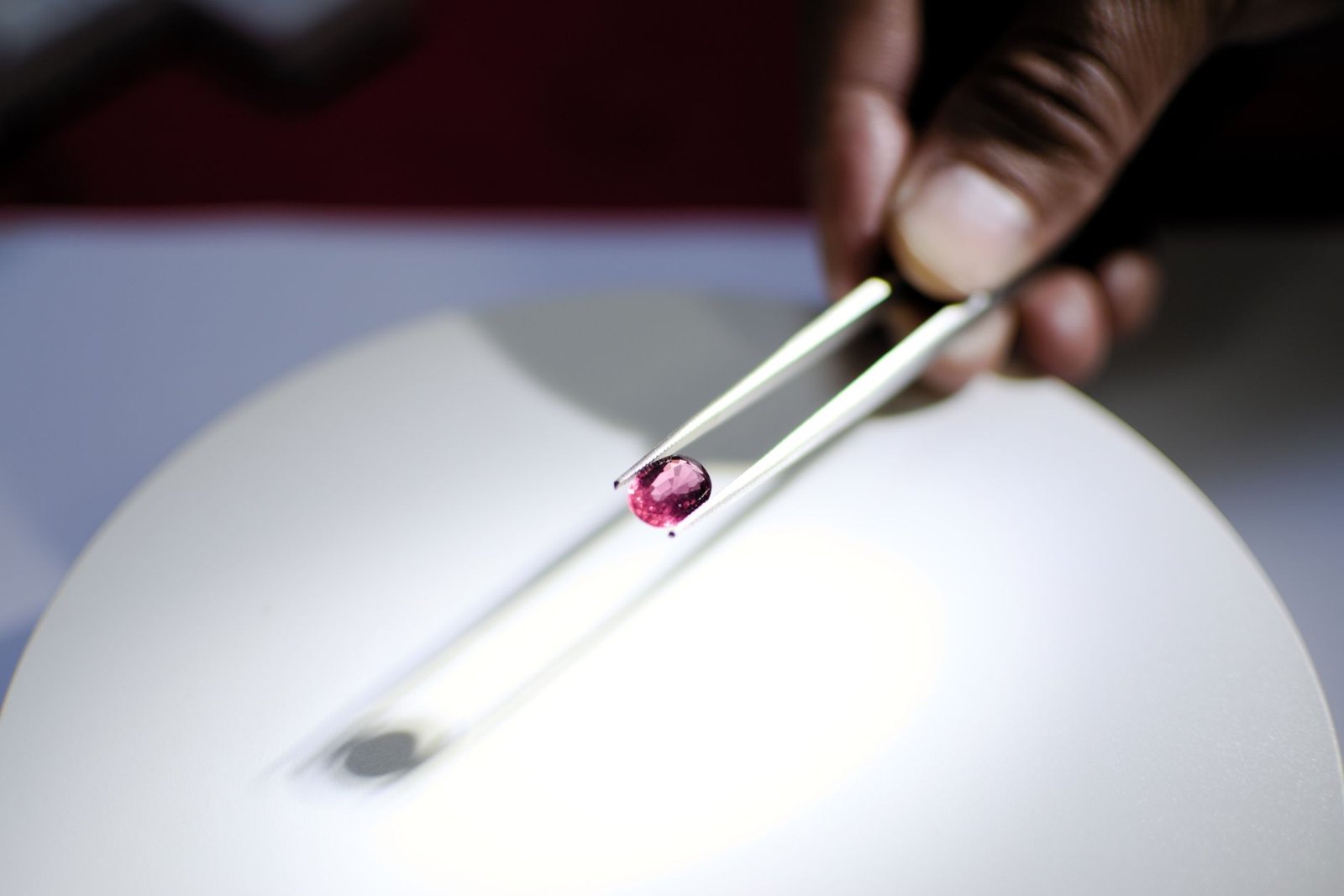
Fine rubies are among the most heavily treated of all gemstones. It is estimated that well over ninety percent of commercially available rubies have been heat treated, and a significant portion have received glass-filling or flux healing on top of that. This means a genuinely unheated ruby of fine quality — particularly one with Burmese or Mozambique origin and strong pigeon blood colour — sits at the very top of the rarity hierarchy for any natural gemstone in the market today.
At major auction houses, unheated Burmese rubies consistently achieve prices two to four times higher per carat than comparable heated stones. At the three-to-five carat range, this differential can represent hundreds of thousands of dollars on a single stone. The premium is not cosmetic — it reflects a near-absence of supply at fine quality levels. When a no heat ruby of pigeon blood quality from Myanmar does appear on the market, it attracts competitive bidding from collectors, family offices, and institutional buyers simultaneously.
When assessing a no heat ruby, our gemologists look beyond the laboratory report. The distribution of colour zoning, the nature and positioning of inclusions, and the presence of unaltered rutile silk all tell a consistent story that corroborates the absence of heat. A report and a stone that contradict each other in subtle ways is a red flag no premium-market buyer should ignore. Always speak with our gemologists before committing to a significant unheated ruby purchase.
The certification standard for no heat rubies mirrors that of sapphires. Gübelin, GRS, and SSEF are the three laboratories whose no heat opinions carry the most weight in the Singapore market and internationally. A no heat ruby without a credible laboratory report is effectively unsaleable at a premium price — the report is not paperwork, it is the foundation of the asset’s value.
No Heat Sapphire: The Origin Multiplier
The no heat sapphire market is the most extensively documented of the three stone types. Because sapphires are sourced from a wider range of deposits — Sri Lanka, Kashmir, Burma, Madagascar, Australia, and beyond — the no heat premium is not a fixed percentage. It is a function of both the absence of treatment and the prestige of the origin, and these two variables multiply each other rather than simply add.
A no heat sapphire from Madagascar with good colour and clarity might command a thirty to fifty percent premium over a comparable heated stone. The same quality profile with a certified Ceylon origin could see that premium rise to seventy or eighty percent. A Kashmir sapphire with a no heat opinion is in a category of its own — supply is so constrained at the source that the no heat premium is almost theoretical; the origin premium alone has already priced most buyers out of the market.
Our pillar article on no heat sapphires covers the detection methodology and certification process in detail. What is important to understand in the context of this comparison is that the sapphire market has developed the most mature and standardised no heat premium framework of the three stone types. Buyers and auction houses have decades of comparative sales data, and that transparency is a significant advantage when evaluating an unheated sapphire Singapore purchase against global benchmarks.
“An unheated sapphire and an unheated ruby are both rare — but they are rare in different ways, at different points on the supply curve, and that shapes everything about how their premiums behave in the market.”
Untreated Emeralds: A Fundamentally Different Framework
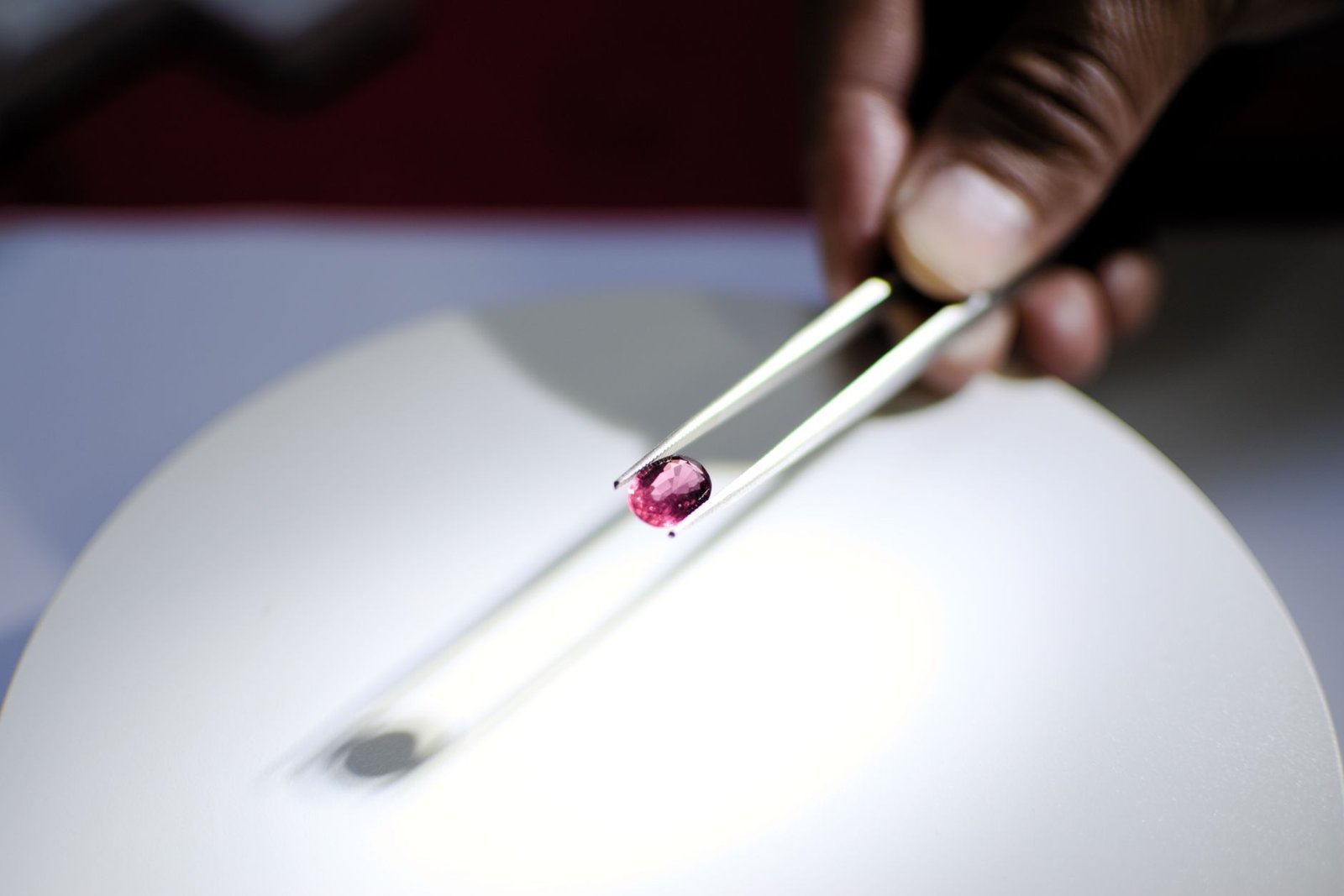
Emeralds present the most nuanced case in this comparison. Unlike corundum, emeralds are almost always included — the industry even has a specific term, jardin, for the internal garden of fractures, crystals, and growth features that characterise virtually every fine emerald. Because these inclusions frequently reach the surface, oiling with cedar oil or filling with synthetic resin is standard practice. The question is not whether an emerald has been treated, but how much and with what.
The Gübelin and GRS grading scale for emerald clarity enhancement runs from None through Insignificant, Minor, Moderate, to Significant. A “None” or “Insignificant” rating for a fine Colombian or Zambian emerald is the closest equivalent to a no heat opinion in the ruby and sapphire market. These stones are rare — perhaps rarer per carat than unheated sapphires at equivalent quality — and they attract premiums of sixty to over one hundred percent compared to moderately oiled equivalents.
The key distinction is that the emerald market does not treat minimal oiling the way the ruby market treats heating. A lightly oiled emerald is not a compromised stone; it is a normal stone. An emerald with “None” clarity enhancement is exceptional precisely because its natural clarity is sufficient without any intervention. Buyers who approach emerald treatment with the same binary mindset they bring to heat treatment in corundum will misread the market and either overpay for minor enhancement avoidance or undervalue genuinely exceptional untreated material.
At Yala Gems, we source untreated and minimally enhanced emeralds with full laboratory documentation. When evaluating a natural gemstone of this calibre, we always present the clarity enhancement grade alongside origin and colour assessments — because for emeralds, the treatment grade is the premium driver, and it deserves the same level of scrutiny that a no heat opinion receives in the sapphire market.
Comparing No Heat Premiums Across All Three Stones
The table below summarises how no heat and no treatment premiums behave across rubies, sapphires, and emeralds at fine quality levels. These figures reflect broad market patterns observed across international auction results, dealer transactions, and Singapore boutique sales. Individual stones will vary based on origin, colour, clarity, and cut.
| Stone | Treatment Type Relevant to Premium | Prevalence of Treatment in Market | Typical No Heat / No Treatment Premium | Premium Amplifier | Key Certifying Labs |
|---|---|---|---|---|---|
| Ruby | Heat treatment, flux healing, glass filling | 90%+ of commercial stones treated | 100–300% over heated equivalent | Burmese / pigeon blood origin | Gübelin, GRS, SSEF |
| Sapphire | Heat treatment (beryllium diffusion at extreme end) | 80–90% of commercial stones heated | 30–100% depending on origin | Ceylon / Kashmir origin | Gübelin, GRS, SSEF, AGL |
| Emerald | Oil / resin filling (not heat) | 95%+ of commercial stones oiled | 60–120% for None or Insignificant enhancement | Colombian origin, high clarity | Gübelin, GRS, AGL |
What this table makes clear is that no treatment scarcity is highest for rubies in absolute terms, but the premium calculation for emeralds can be equally steep when a genuinely unenhanced stone of Colombian origin and vivid colour comes to market. Sapphires sit in a middle position where origin does the heavy lifting once the no heat opinion is established. For buyers looking to buy gemstone online or through a specialist boutique, understanding which stone offers the most transparent premium structure is as important as understanding the premium itself.
Sapphires currently offer the most liquid no heat market — there are more reference transactions, more standardised grading language, and more buyers who understand exactly what they are purchasing. Rubies offer the highest potential premium, with correspondingly higher risk if documentation is questionable. Emeralds require the most specialist knowledge to navigate, and buyers who cannot read a Gübelin clarity enhancement report with confidence should always speak with our gemologists before committing.
Frequently Asked Questions
Final Thoughts
The no heat premium is not a single number you can apply uniformly to rubies, sapphires, and emeralds. It is a stone-specific, origin-sensitive, supply-driven calculation — and understanding how it differs across these three gemstones is one of the clearest competitive advantages a serious buyer can develop. Rubies reward the highest conviction and carry the highest premium. Sapphires offer the most transparent and liquid market. Emeralds require a different vocabulary entirely, one built around enhancement degree rather than a simple treated or untreated binary.
For a deeper grounding in how the no heat premium is established for sapphires specifically — including how laboratories detect treatment absence and how that opinion is priced — our pillar resource on no heat sapphire detection, certification, and price premium provides the most thorough publicly available overview we have written on the subject. Read it alongside this comparison and you will approach any untreated coloured gemstone purchase with the precision and confidence that fine stones demand.
Looking for Certified No Heat Gemstones in Singapore?
At Yala Gems, every natural gemstone we offer comes with transparent treatment disclosure and full laboratory documentation. Our team sources exceptional unheated rubies, sapphires, and minimally enhanced emeralds for collectors and connoisseurs who know exactly what they are looking for.


