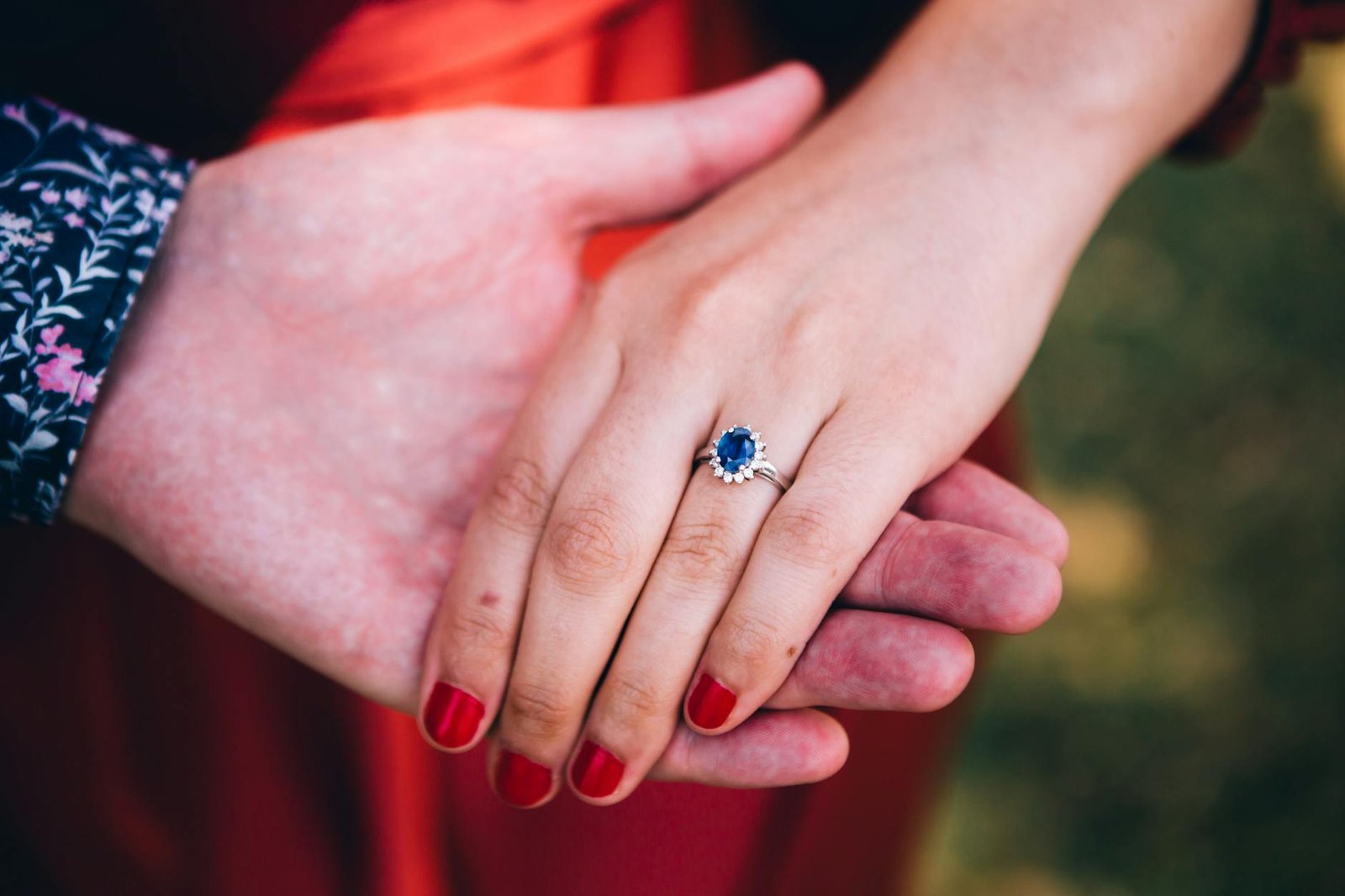
Choosing a gemstone engagement ring is one of the most personal decisions you will ever make — and it begins long before you settle on a stone. The setting you choose, the ring profile, the metal colour, the way the prongs embrace the gem: every detail shapes how the ring sits on the hand, how it catches the light, and how it endures a lifetime of daily wear. For couples exploring gemstone engagement rings in Singapore, these structural choices are every bit as consequential as the gemstone itself.
This guide goes beyond stone selection. It is focused entirely on the craft and commerce of ring architecture — the styles that suit different stones and lifestyles, the settings that protect or expose a gem’s character, and the practical buying decisions that separate a ring you will love for decades from one that disappoints at the jeweller’s bench. Whether you are drawn to a deep blue Sapphire, a vivid emerald, or a rich ruby, the framework below will give you the language and the confidence to commission a ring with absolute clarity.
- The setting style — not just the stone — determines how a gemstone engagement ring wears, protects the gem, and reads visually on the hand.
- Hardness and crystal structure must guide your setting choice: emeralds and opals demand protective bezels, while sapphires and rubies tolerate virtually any style.
- Metal colour is a design decision with lasting optical consequences — yellow gold saturates warm-toned rubies and emeralds, while white gold and platinum preserve the cool precision of blue sapphires.
- Gemstone engagement ring prices in Singapore vary enormously based on Origin, treatment status, and carat weight — setting a realistic budget before stone selection prevents costly pivots late in the process.
- Custom commissions through a trusted local specialist allow you to marry the exact Natural gemstone you want with a setting engineered specifically for its dimensions and cut.
Ring Styles That Suit Coloured Gemstones
Not every ring silhouette flatters a coloured gem equally. Diamond solitaires are designed around colourless brilliance — geometry that scatters white light. Coloured stones play by different rules. They absorb and transmit colour, and a setting that maximises face-up area while directing light into the pavilion will always outperform one borrowed from diamond convention.
The solitaire remains the most elegant choice for a single high-quality natural gemstone. A well-proportioned oval or cushion sapphire set in a four- or six-prong basket needs nothing else. The stone does all the work. For buyers considering a blue sapphire engagement ring in Singapore, a solitaire in platinum or white gold allows the gem’s colour to read without competition, particularly under Singapore’s warm ambient lighting.
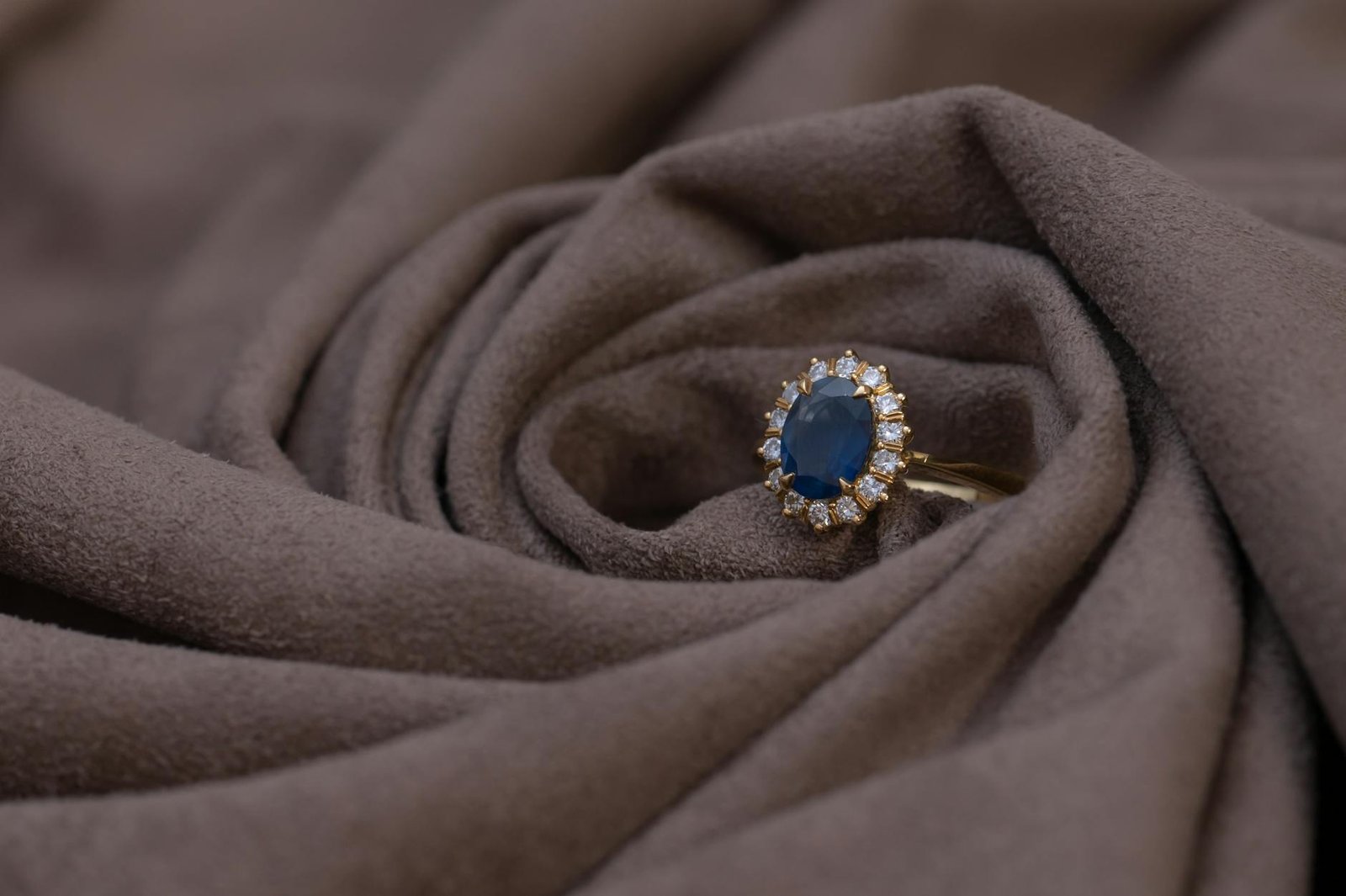
The halo setting surrounds the centre stone with a frame of smaller diamonds or sapphires, visually enlarging the gem and adding brilliance at the perimeter. It is a smart choice if you want presence without committing to a larger — and more expensive — centre stone. A halo around an emerald cut sapphire, however, demands careful calibration: the frame must be proportioned to the elongated outline or it will overwhelm rather than enhance.
The three-stone ring pairs the centre gem with two flanking stones, traditionally representing past, present, and future. It works beautifully with oval or round sapphires flanked by tapered baguette diamonds, or with a ruby centre flanked by pear-shaped pink sapphires for a warmer, more romantic palette. Three-stone rings also allow creative colour play — an emerald flanked by tsavorite garnets, for instance, creates a tonal story no diamond ring can replicate.
Vintage-inspired styles — think Edwardian filigree, Art Deco geometric mounts, or Georgian closed-back settings — have staged a significant revival among buyers who want a ring with narrative depth. These styles often pair exceptionally well with step-cut stones. The emerald cut engagement ring is particularly at home in an Art Deco platinum mount, where the clean lines of both gem and metalwork reinforce each other with architectural precision.
Choosing a Setting by Stone Hardness and Character
Every gemologist will tell you the same thing: match your setting to your stone’s physical properties, not just its aesthetics. A setting that looks beautiful in a rendering can fail badly in real wear if it ignores the gem’s hardness, cleavage planes, or inclusion landscape.
Sapphires and rubies, both corundum, sit at 9 on the Mohs scale. They are among the most durable natural gemstones you can set in an engagement ring — resistant to scratching, with no cleavage planes to exploit. This resilience means almost any setting style is appropriate. Prong, bezel, channel, pavé shoulders — corundum handles them all. This freedom is one reason sapphire engagement rings in Singapore remain the most popular coloured stone choice; the gem’s physical toughness matches the emotional weight of the occasion.
Emeralds are a different proposition entirely. At 7.5 to 8 on the Mohs scale, they are softer than corundum, and virtually all natural emeralds carry internal fractures — known as jardin — that can extend to the surface. A prong setting that applies pressure to a corner or girdle can crack an included emerald under daily impact. For emerald engagement rings in Singapore, a bezel or half-bezel setting that wraps the girdle in continuous metal is the professional recommendation. It protects without obscuring the stone’s face-up colour.
Softer gems like opals (5.5–6.5 Mohs) and tanzanite (6–7 Mohs) should be approached with particular care in an engagement ring context. A full bezel or protective low-profile setting that minimises the gem’s exposure to lateral impact is essential. If you are committed to wearing a softer stone daily, consider a setting with a slightly raised inner bezel or a protective channel wall — details a skilled bench jeweller can engineer into a custom commission.
Many buyers focus on carat weight when comparing gemstone engagement ring prices, but experienced gemologists assess value through a different lens. A five-carat emerald with heavy jardin and an opaque zone in the centre is worth considerably less than a two-carat stone with excellent transparency and vivid saturation. Before you buy gemstone online or in person, always request a face-up photograph alongside the stone’s measurements — the ratio of face-up appearance to carat weight tells you more about value than weight alone.
Metal Choices and Their Optical Impact on Colour
The metal you choose is not merely a structural decision — it is an optical one. Metal colour reflects back into the pavilion of a transparent gem and tints the light that exits through the table. Understanding this interaction is the difference between a ring that makes a stone sing and one that mutes it.
Yellow gold is the traditional companion for rubies and emeralds. Its warmth amplifies the red and green hues in both stones, particularly at the girdle where the metal sits closest to the gem. A pigeon-blood ruby in an 18-karat yellow gold bezel will appear deeper and more saturated than the same stone set in platinum. For green sapphire engagement ring designs, yellow gold similarly enriches the colour and gives the ring a lush, garden-inspired character.
White gold and platinum are the natural partners for blue sapphires. The cool neutrality of white metal does not compete with the sapphire’s hue — it clarifies it. Platinum also carries practical advantages: it is denser and more resistant to long-term wear than white gold, and it does not require rhodium plating to maintain its colour. For a blue sapphire engagement ring in Singapore that will be worn every day, platinum is the professional benchmark.
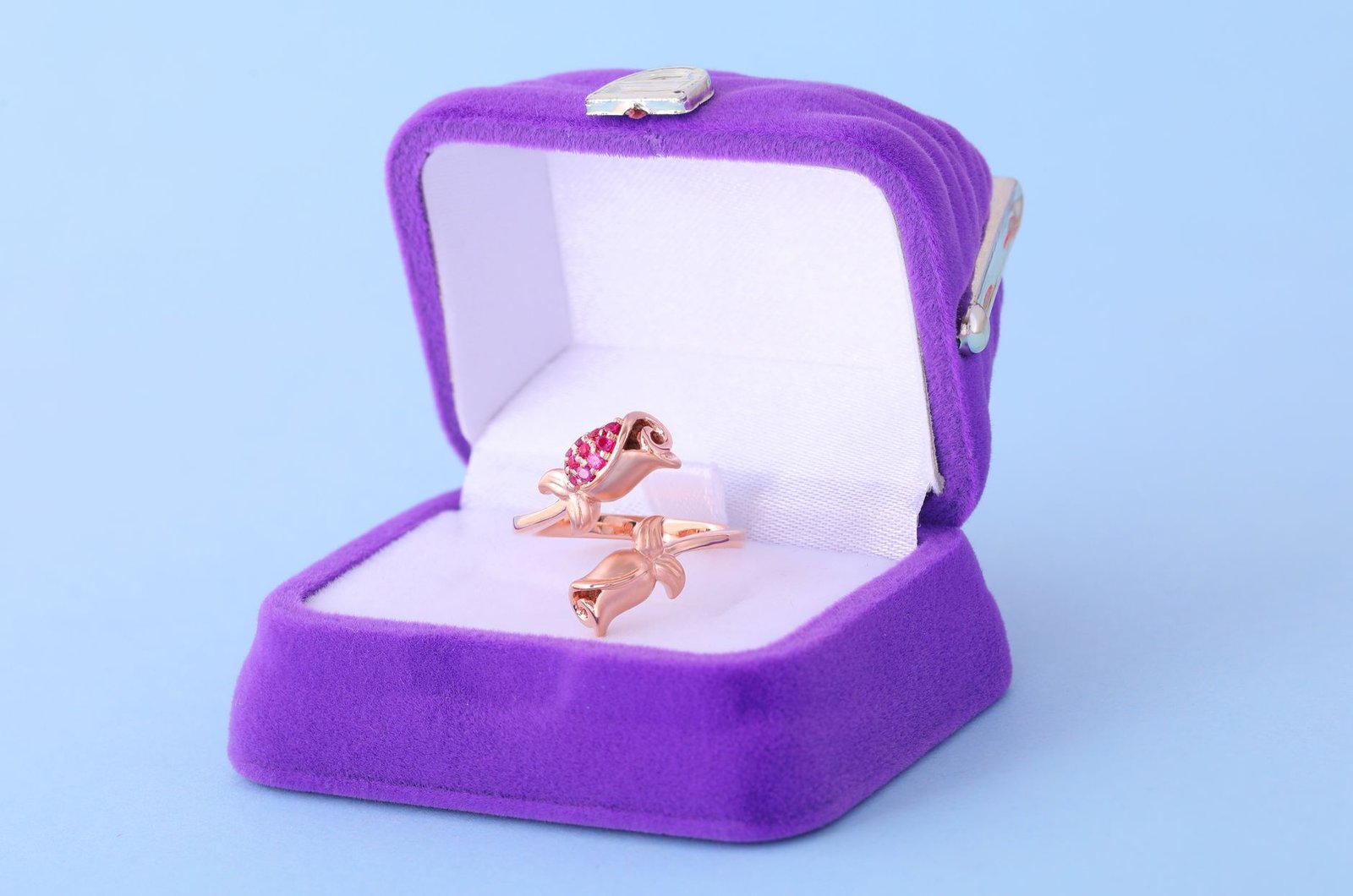
Rose gold has gained considerable traction as a contemporary choice, particularly with morganite, padparadscha sapphire, and light pink tourmaline. Its blush tone creates a harmonious warmth with peachy and pink-toned gems. It does, however, require careful consideration with cooler stones — a Ceylon blue sapphire in rose gold can look slightly at odds with itself unless the design intentionally exploits that tension as a contrast statement.
Understanding Price and What to Prioritise When Buying
Gemstone engagement ring prices span an extraordinary range — from under a thousand Singapore dollars for a small, treated sapphire in a simple gold mount, to hundreds of thousands for an unheated Burmese ruby or Kashmir sapphire with laboratory Certification. Understanding where the cost lives helps you allocate your budget intelligently rather than distributing it evenly across every variable.
The centre stone typically represents sixty to seventy percent of a ring’s total cost. For most buyers, this is where discernment pays the greatest dividend. A smaller, finer natural gemstone — excellent colour, acceptable clarity, reputable origin — will outperform a larger, lower-quality stone in every meaningful sense: visually, emotionally, and over time as a value-retaining asset. Our pillar article on choosing the best gemstone for an engagement ring covers stone-by-stone quality benchmarks in depth, and it is essential reading before you finalise your stone selection.
For buyers researching sapphire engagement ring price ranges, a natural, heated Ceylon sapphire of one to two carats in a good blue will typically sit between SGD 3,000 and SGD 12,000 for the stone alone, depending on colour saturation and clarity. An unheated example of similar size commands a meaningful premium — sometimes two to three times the price — due to its rarity and certification requirements. Emerald engagement rings in Singapore follow a similar logic: Colombian origin with minor oil treatment is the market standard, and price per carat rises steeply above two carats for stones with excellent transparency.
“The finest engagement ring is not the one with the largest stone or the most elaborate setting — it is the one where every decision, from prong gauge to girdle profile, was made with the specific gem in mind.”
Custom commissions deserve serious consideration for any buyer with a specific stone or design vision. At Yala Gems, our custom process begins with stone selection — we source the natural gemstone first, then design the mount around its exact dimensions, weight distribution, and optical character. This sequence, which reverses the approach of many high-street retailers, produces rings that fit their stones with precision rather than compromise. You are also welcome to speak with our gemologists directly before committing to any stone or setting direction.
For buyers exploring options to buy gemstone online, the same principles apply: insist on a Grading report from a recognised laboratory, request a professional video under daylight-equivalent lighting, and confirm the seller’s return policy before completing the transaction. Reputable vendors will offer all three without hesitation.
One of the most overlooked decisions in ring design is prong placement relative to the stone’s crystal axes. For elongated cuts — ovals, pears, marquises — placing prongs at the tips rather than along the sides protects the gem’s most vulnerable points. A bench jeweller working with a natural gemstone should always examine the stone under magnification before selecting prong position, particularly for included emeralds or sapphires with surface-reaching fractures. This is the kind of detail that separates a jeweller from a craftsperson.
| Gemstone | Mohs Hardness | Recommended Setting | Best Metal Pairing | Approx. Price Range (1–2ct, Singapore) |
|---|---|---|---|---|
| Blue Sapphire | 9 | Prong, Bezel, Halo | Platinum / White Gold | SGD 3,000 – 15,000+ |
| Ruby | 9 | Prong, Bezel, Three-Stone | Yellow Gold / Rose Gold | SGD 4,000 – 20,000+ |
| Emerald | 7.5–8 | Bezel, Half-Bezel, Low Profile | Yellow Gold / White Gold | SGD 3,500 – 18,000+ |
| Green Sapphire | 9 | Prong, Pavé Halo, Solitaire | Yellow Gold / Rose Gold | SGD 2,000 – 8,000+ |
| Padparadscha Sapphire | 9 | Solitaire, Halo | Rose Gold / Yellow Gold | SGD 8,000 – 40,000+ |
| Tanzanite | 6–7 | Bezel, Channel, Protective Prong | White Gold / Platinum | SGD 2,000 – 7,000+ |
Frequently Asked Questions
Final Thoughts
A gemstone engagement ring is a piece of architecture as much as it is a jewel. The setting is the structure, the metal is the skin, and the gem is the soul — and all three must be chosen with equal intentionality. Understanding how prong placement protects a particular stone, how metal colour amplifies or neutralises a gem’s hue, and how ring profile affects daily wearability transforms a beautiful purchase into a brilliant one.
For the full picture on which natural gemstone is right for your engagement ring — comparing rubies, sapphires, emeralds, and beyond — read our pillar guide on choosing the best gemstone for an engagement ring. It covers origin premiums, treatment considerations, and stone-by-stone quality benchmarks in detail that no buying decision should skip.
When you are ready to move from research to reality, our team at Yala Gems, Singapore’s specialist gemstone boutique, is here to guide the process. Every custom ring we produce begins with sourcing the finest available natural gemstone for your brief — then building a setting worthy of it. We invite you to speak with our gemologists to begin that conversation.
Deepen Your Gemstone Knowledge
Explore our full library of gemstone education, buying guides, and market insights — written for collectors and couples alike.