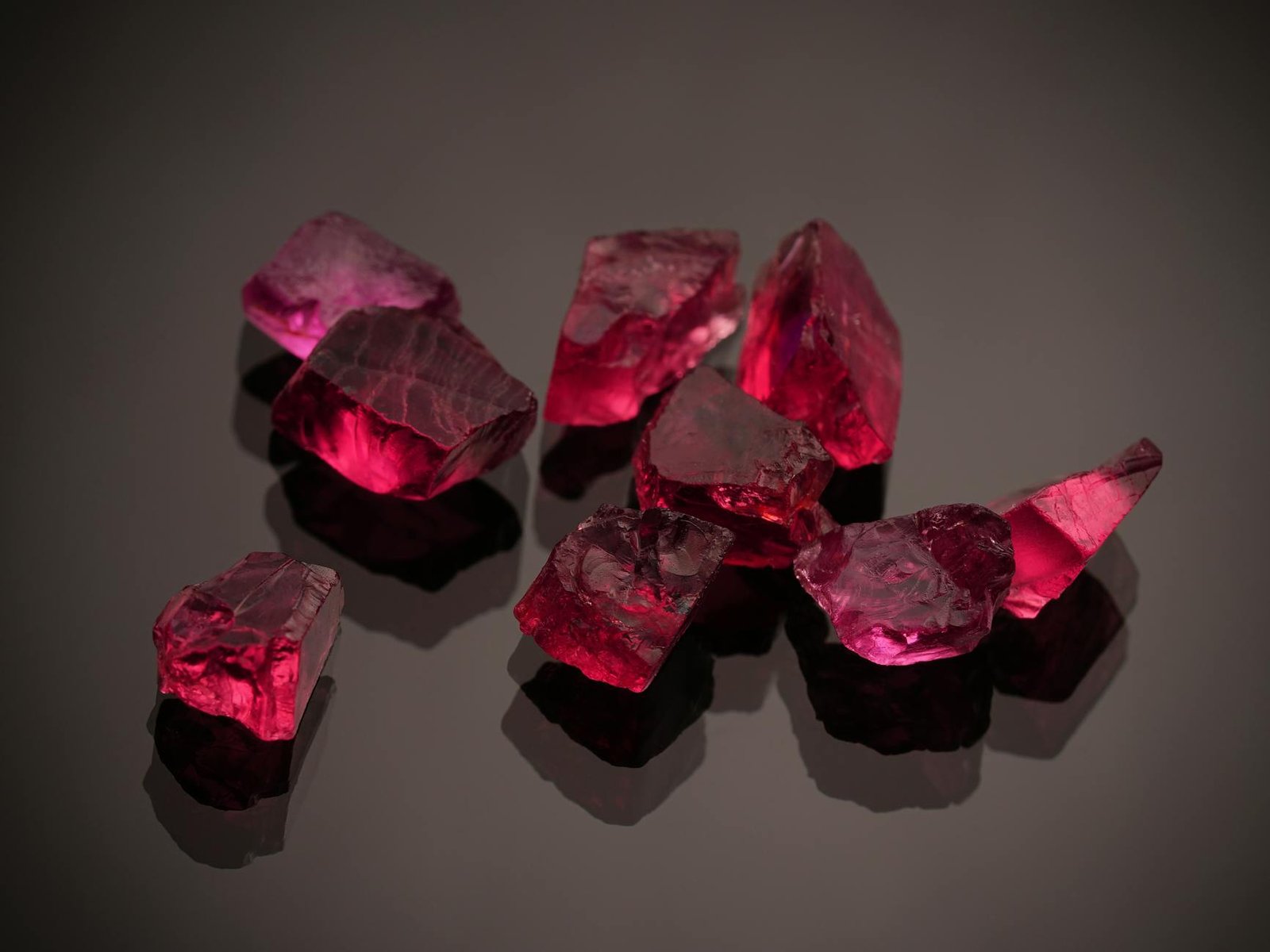
Few decisions in the world of precious stones carry as much financial weight as acquiring a genuine pigeon blood ruby. The colour alone — that saturated, arterial red with a faint blue fluorescent glow — has commanded record auction prices for decades, and demand among serious collectors shows no sign of cooling. But understanding why this stone holds its value, and how to position yourself as a buyer who won’t overpay or under-select, requires a sharper lens than most jewellery content provides.
This guide goes beyond the basics. Whether you are considering your first significant ruby purchase or adding to an existing portfolio of natural gemstones, the following sections break down the mechanics of pigeon blood ruby value — what moves the market, what separates a strong acquisition from a costly mistake, and what Singapore-based buyers specifically should know before spending at this level.
- Unheated, certified pigeon blood rubies from Mogok consistently outperform treated stones in resale value and collector demand.
- Laboratory reports from GIA, Gübelin, or SSEF are non-negotiable for investment-grade purchases — they directly influence resale price.
- The pigeon blood designation is a colour-quality grade, not a legal standard; understanding how labs apply it protects you from inflated claims.
- Provenance, treatment status, and carat weight above two carats are the three variables that create the sharpest price premiums in this category.
- Singapore’s position as a regional fine-gemstone hub gives local buyers access to vetted inventory and certified expertise that many markets lack.
What Actually Drives pigeon blood ruby price
The phrase “pigeon blood ruby price” circulates widely in collector forums and auction previews, but the number itself means very little without context. A two-carat heated Mozambique ruby and a two-carat unheated Mogok ruby can both carry the pigeon blood colour designation — yet their prices may differ by a factor of five or more. The variables that create that gap are worth understanding in precise terms.
Origin is the most powerful single lever. Rubies from Myanmar’s Mogok Valley carry a heritage premium rooted in centuries of mining history and an exceptionally pure chromium-to-iron ratio that produces the saturated red fluorescence buyers associate with the finest stones. After origin comes treatment status. Heat treatment is standard practice across the ruby trade and widely accepted, but an unheated stone commands a substantial premium — often 30 to 60 percent above a comparable heated example at auction, sometimes more at the very top of the market.
Colour saturation, clarity, and cut efficiency round out the core value drivers. Pigeon blood red ruby is specifically assessed for vivid saturation without darkening toward brownish-red or purplish tones. A stone that holds its colour under multiple light sources — particularly incandescent and daylight — is far more valuable than one that flatters only under a single lighting condition. Cut matters because poor proportioning bleeds colour and reduces the face-up appearance that buyers actually see.
At Yala Gems, our gemologists consistently observe that buyers who focus solely on carat weight miss the most important value signal: the combination of origin report and treatment status on a single laboratory document. A Gübelin or SSEF report stating “no indications of heating” alongside a Mogok origin determination is the closest thing to a blue-chip certificate this market offers. That combination, in stones above two carats, is genuinely rare — and the price reflects it accordingly.
Understanding the Pigeon Blood Grading Designation
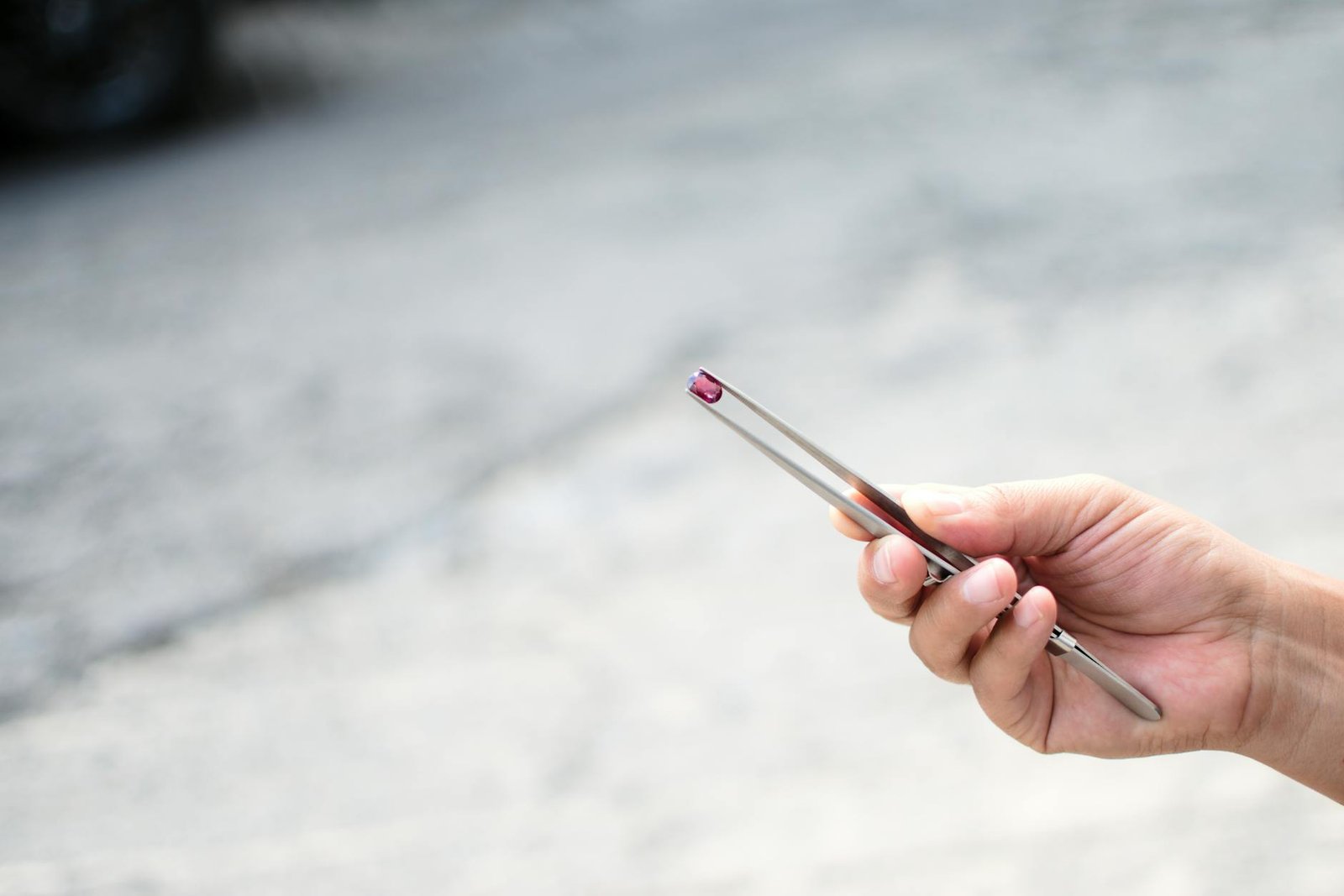
One of the most common misunderstandings among first-time buyers is treating pigeon blood as a fixed, standardised grade. It is not. The term describes a colour quality — specifically, a vivid, pure red with a blue-tinged fluorescent quality under ultraviolet light — but different gemological laboratories apply it using slightly different criteria. GIA references it as a trade term rather than a formal grade. Gübelin and SSEF are more likely to use “pigeon blood” explicitly in their reports, which is one reason their documentation carries particular weight with auction houses.
This distinction matters enormously for investment purposes. A stone described as pigeon blood by a reputable seller without supporting laboratory documentation is an unverifiable claim. For any purchase above SGD 5,000, a report from at least one of the three major coloured-stone laboratories — GIA, Gübelin, or SSEF — is the minimum acceptable standard. For stones above SGD 20,000, a dual report from two labs is increasingly standard practice among sophisticated buyers. If you are curious about how our pillar content addresses grading in broader detail, the Pigeon Blood Ruby buying guide covers the colour science and origin verification process comprehensively.
“The most expensive ruby in the world is not the largest ruby in the world. It is the ruby with the most irreproachable combination of colour, origin, and documentation — and that combination is rarer than most collectors appreciate until they begin searching for it.”
Market Performance and Auction Benchmarks
Pigeon blood rubies have demonstrated exceptional price resilience across multiple economic cycles. While equities and even some alternative assets saw significant drawdowns during periods of global uncertainty, top-tier coloured gemstones — and Mogok rubies in particular — held value and in many cases appreciated. This is partly a function of supply scarcity: Mogok production of high-quality material has not expanded meaningfully, while buyer pools in Asia, the Middle East, and increasingly Southeast Asia have grown substantially.
Auction records provide the clearest market benchmarks. Christie’s and Sotheby’s have recorded per-carat prices for exceptional unheated Mogok pigeon blood rubies exceeding USD 1 million at the very top of the quality range. More practically, investment-grade stones in the three-to-five-carat range with strong laboratory documentation have achieved USD 50,000 to USD 300,000 per carat at major sales. These figures are not guarantees — individual stone quality varies enormously — but they establish a reference point for what the top of this market looks like.
For buyers operating at more accessible price points, the SGD 15,000 to SGD 80,000 range covers a meaningful selection of certified, high-quality pigeon blood rubies in the one-to-three-carat range. These stones represent genuinely strong value retention potential, particularly when purchased with complete documentation and through a trusted source. If you want to buy gemstone online or through a boutique with traceable provenance, documentation quality is what separates a collectible asset from a decorative purchase.
| Quality Tier | Typical Carat Range | Treatment Status | Documentation | Indicative Price per Carat (USD) |
|---|---|---|---|---|
| Entry Investment Grade | 1.00 – 1.99 ct | Heated, minor | GIA or equivalent | USD 5,000 – 15,000 |
| Mid Collector Grade | 2.00 – 3.99 ct | Heated or unheated | GIA + Gübelin or SSEF | USD 15,000 – 60,000 |
| High Collector Grade | 4.00 – 6.99 ct | Unheated, Mogok origin | Dual lab reports | USD 60,000 – 250,000 |
| Auction Trophy Grade | 7.00 ct + | Unheated, exceptional colour | Multiple lab reports + auction provenance | USD 250,000 – 1,000,000+ |
How to Buy Pigeon Blood Ruby in Singapore — A Practical Framework
Singapore occupies an advantageous position for serious gemstone buyers. The city-state’s role as a regional trading hub means that a higher concentration of certified, high-quality coloured gemstones passes through here than most buyers realise. Established retailers with gemological expertise, clear provenance chains, and access to international laboratory certification are more accessible here than in many comparable markets. Knowing how to navigate that landscape is a skill in itself.
Begin with documentation before price. For any stone presented as investment quality, request the laboratory report before discussing number. Verify the report number directly on the issuing laboratory’s website — this takes approximately two minutes and eliminates the possibility of documentation fraud entirely. Next, assess the treatment disclosure. Minor heating with no fracture filling is widely considered acceptable for the investment market; fracture-filled stones carry significantly diminished resale value and should be avoided entirely for investment purposes.
When you buy gemstone online or in person at a reputable boutique, provenance transparency is a meaningful signal of seller credibility. Sellers who can discuss origin mine, approximate year of extraction, and the chain of custody from rough to polished stone are operating at a different standard than those who simply list a stone with a weight and asking price. At Yala Gems, our approach to sourcing natural gemstones specifically prioritises traceable origin and third-party laboratory verification — because we believe buyers deserve that clarity at every price point. You are always welcome to speak with our gemologists before committing to a purchase of this significance.
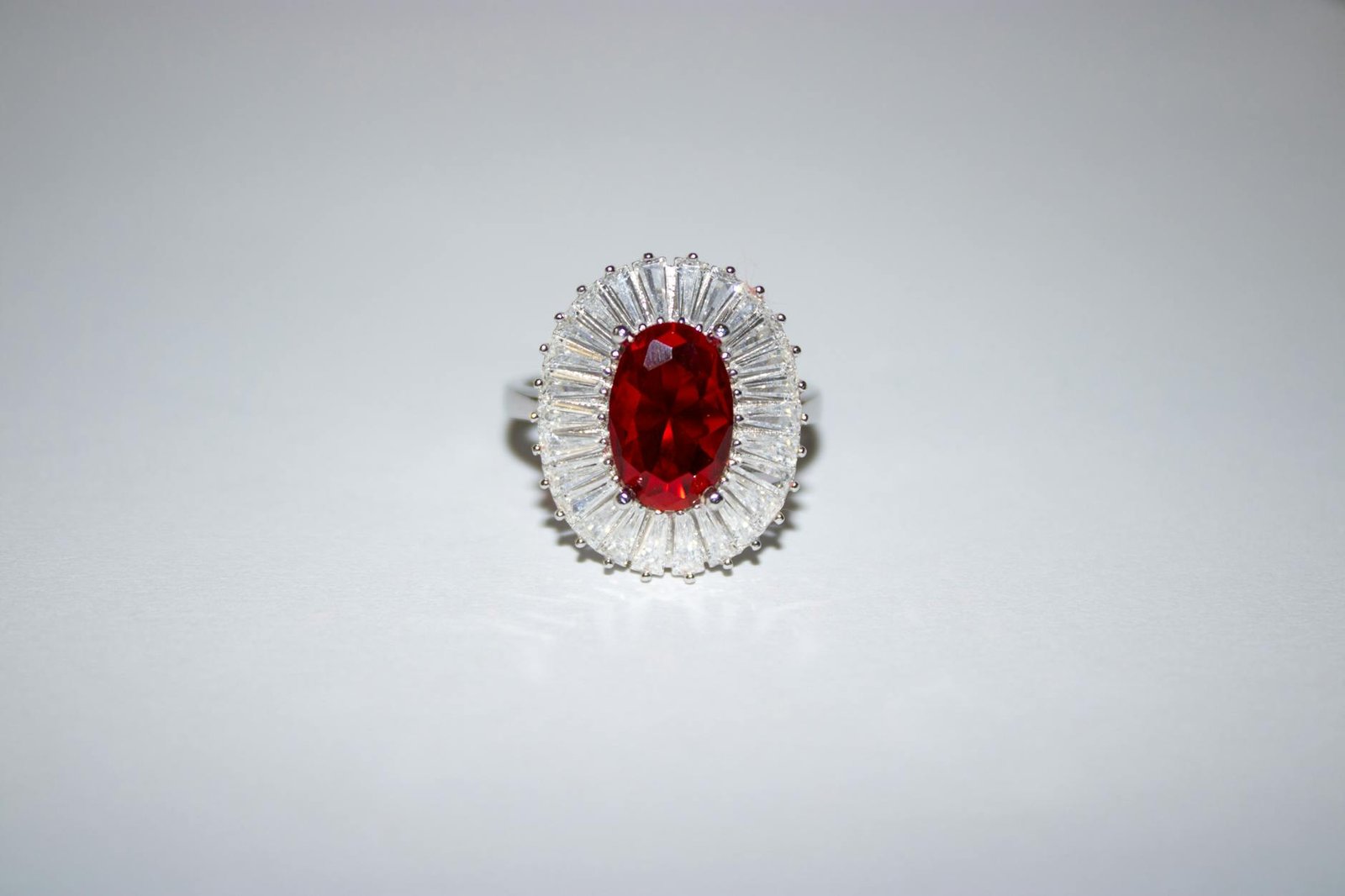
Finally, consider setting and liquidity. A pigeon blood ruby ring commands strong desirability, but it can complicate resale — buyers at the top of the market often prefer loose stones they can reset to their own specifications. If your primary motivation is value retention and eventual resale, acquiring the stone loose with the option to commission a setting separately is the more flexible approach. If the piece is for personal wear with investment as a secondary consideration, a well-made ring in platinum or 18-karat gold does not materially diminish the stone’s underlying value.
Buyers searching for pigeon blood ruby singapore should be aware that the local market includes both established boutiques with full certification stacks and informal dealers who may present documentation of variable quality. The safest framework is simple: if the laboratory report is not from GIA, Gübelin, or SSEF, treat it as descriptive rather than definitive. For a natural gemstone at this price level, the cost of a second opinion from a qualified gemologist in Singapore is negligible relative to the risk of purchasing without adequate verification. Our team at Yala Gems is available to consult with buyers who want an independent assessment before committing.
Frequently Asked Questions
Final Thoughts
A pigeon blood ruby is among the most compelling stores of value the natural gemstone world offers — but only when acquired with the rigour the category demands. Origin, treatment status, and laboratory documentation are not optional considerations for investment buyers. They are the entire foundation on which resale value, collector interest, and long-term price performance rest.
For buyers ready to go deeper on the colour science, grading history, and broader purchasing framework behind this extraordinary stone, our pillar resource — the Pigeon Blood Ruby buying guide — covers those dimensions in comprehensive detail. The two pieces work together: the pillar establishes what this stone is and how to evaluate it; this guide gives you the investment-specific layer that turns knowledge into confident action.
Whether you are acquiring your first significant natural gemstone or refining a collector’s approach built over years, the decision deserves the same standard: exceptional stones, verifiable documentation, and a source you can trust completely.
Ready to Explore Certified Pigeon Blood Rubies?
Our gemologists at Yala Gems are available to guide you through every aspect of your purchase — from stone selection to laboratory verification and setting design.