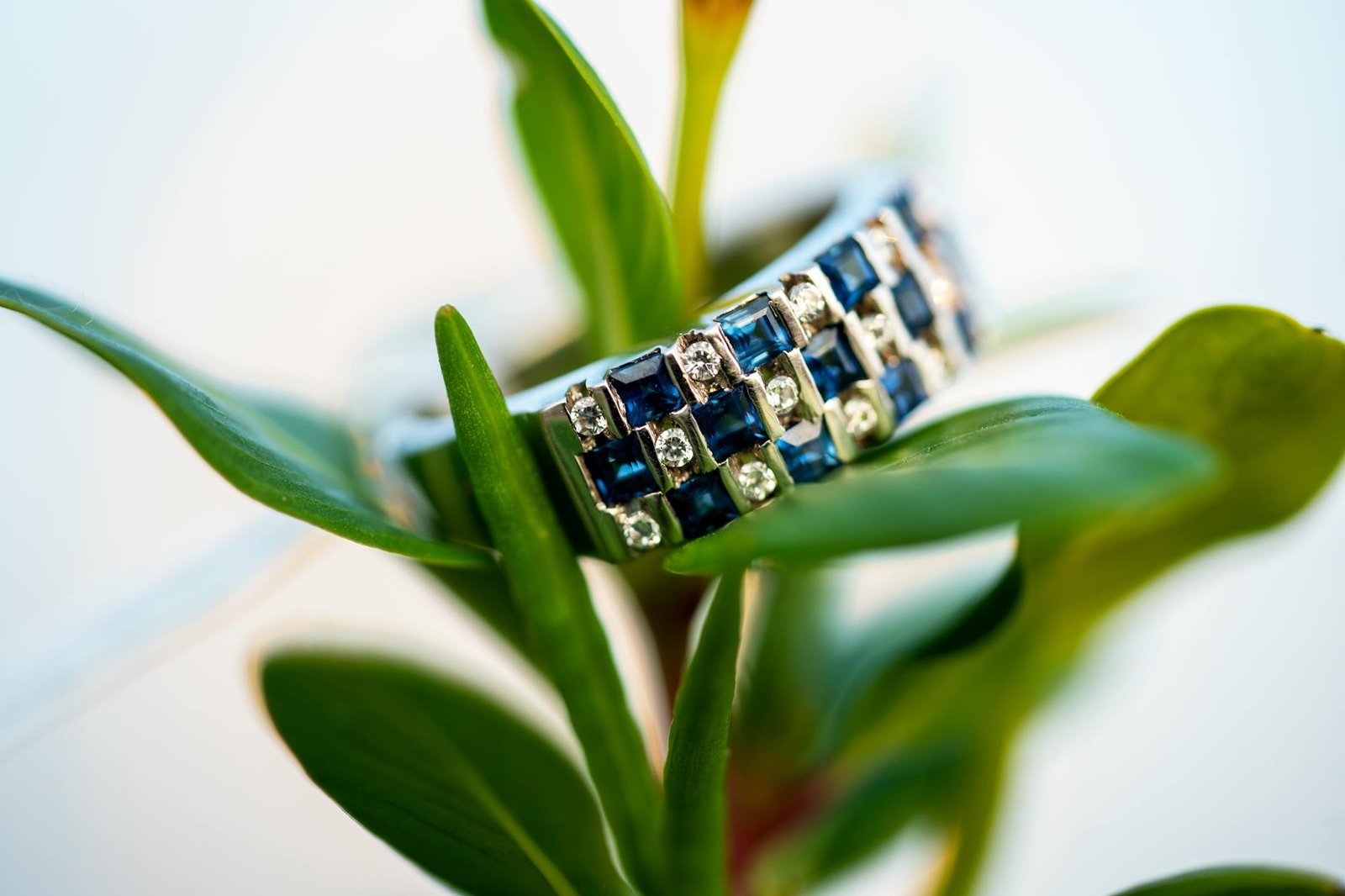
When a sapphire emerges from the earth carrying a colour of such saturation and clarity that no furnace could improve upon it, something rare has happened. That rarity has a name — no heat — and it carries a price premium that separates casual buyers from serious collectors. A no heat sapphire is one that has never been subjected to heat treatment, the industry’s most common enhancement, which means every quality characteristic it possesses is entirely the work of nature. In a market where the vast majority of sapphires on sale have been thermally enhanced, identifying and certifying a truly unheated stone is both an art and a science.
Yet the phrase “no heat” is deceptively simple. Behind it lies a sophisticated process of gemological detection, a web of internationally recognised laboratories, and a pricing structure that rewards authenticity handsomely. Whether you are sourcing a no heat sapphire engagement ring, building a coloured stone portfolio, or simply trying to understand what you are paying for, the details matter enormously. This article unpacks exactly how laboratories detect heat treatment, what a credible certificate must contain, and why the price premium for unheated stones is not only justified — it continues to rise.
- Heat treatment is detectable under magnification and spectroscopic analysis — experienced gemologists can identify it with a high degree of certainty.
- Only certificates from major laboratories such as GRS, Gübelin, SSEF, or GIA carry sufficient authority to confirm “no heat” status for fine sapphires.
- no heat blue sapphires, particularly from Ceylon and Burma, command premiums of 30–200% over equivalent heated stones depending on size and quality.
- The “no heat” designation applies to the absence of any thermal enhancement — a stone labelled “minor heat” is not the same and should be priced accordingly.
- Buyers in Singapore and internationally should always request original laboratory documentation before purchasing any natural gemstone represented as unheated.
What “No Heat” Actually Means — and Why It Matters
The term no heat sapphire meaning is precise in gemological language. It refers to a corundum stone that shows no detectable evidence of thermal enhancement when examined by a qualified laboratory. Heat treatment, applied at temperatures typically between 1,600 and 1,800 degrees Celsius, alters the microscopic landscape of a sapphire — dissolving silk inclusions, improving colour zoning, and in some cases clarifying the stone dramatically. A no heat stone has none of those interventions in its history.
This matters because a natural gemstone that achieves exceptional colour and clarity without human intervention is extraordinarily scarce. Most sapphire rough coming out of Sri Lanka, Madagascar, and other major sources benefits from heating before it reaches the market — the practice is so widespread that unheated stones represent a small fraction of total commercial supply. That scarcity drives value in a fundamental way: what is genuinely rare commands a premium, and what requires documentation to prove its rarity commands a premium with staying power.
It is also worth distinguishing between no heat and “minor heat.” Some laboratories use intermediate designations to describe stones where evidence of low-temperature treatment exists but is inconclusive. For investment-grade purchasing or when you intend to buy gemstone online from a reputable source, only a clean “no indications of heating” conclusion from a top-tier laboratory should be accepted as true no heat status.
How Gemological Laboratories Detect Heat Treatment
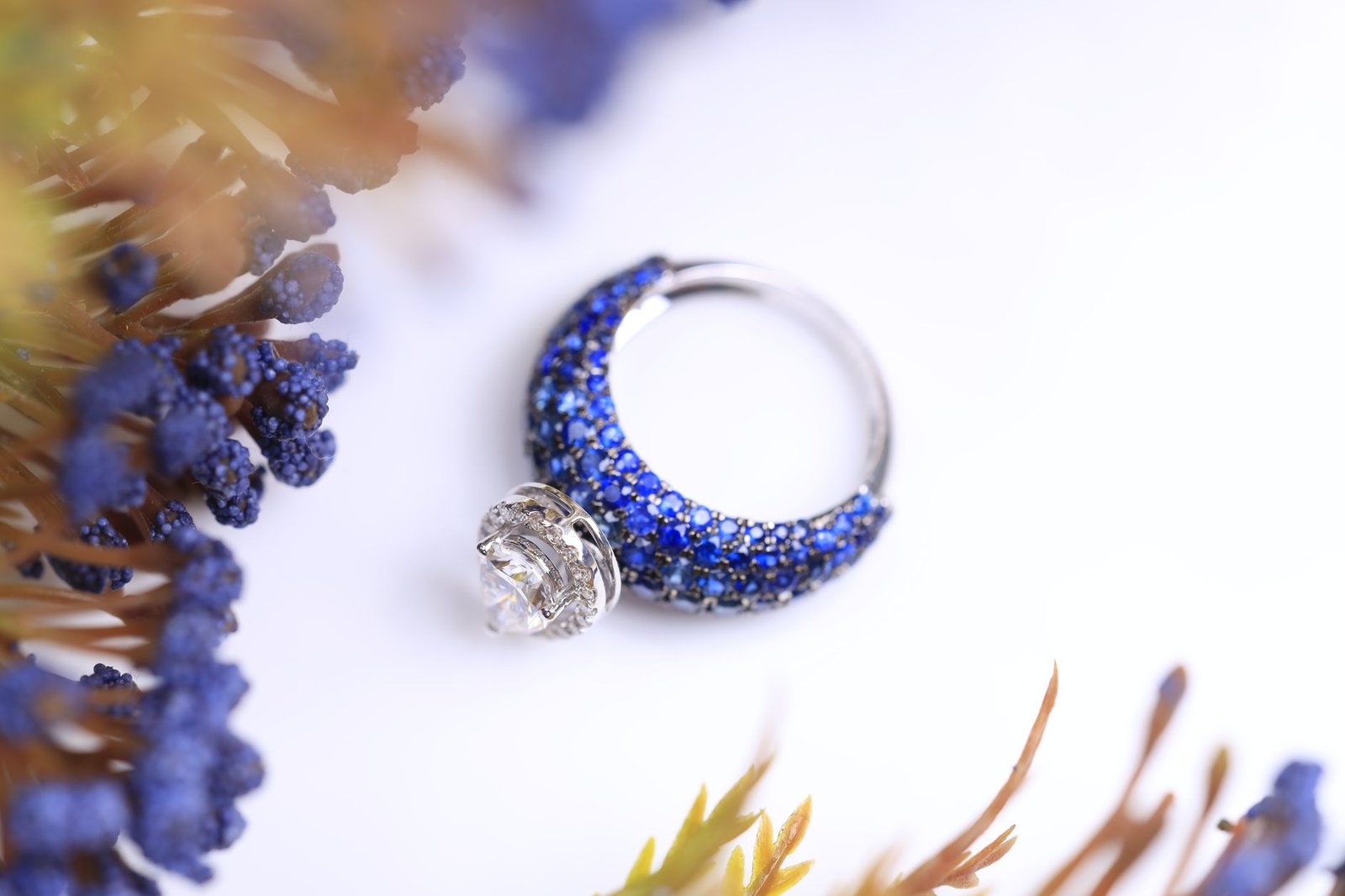
Treatment detection for sapphire is one of the most technically demanding areas in applied gemology. Laboratories deploy multiple overlapping techniques to reach a conclusion, and a credible no heat determination requires consistency across all of them. Understanding how to tell if a sapphire is no heat begins with knowing what examiners are actually looking for.
The first and most visual method is microscopic inclusion analysis. In an unheated sapphire, rutile silk — fine needle-like inclusions of titanium dioxide — remains intact and sharply defined, often forming beautiful star-like halos around crystals or crossing in elegant grids. Heat dissolves this silk rapidly. A heated stone will show disrupted, partially melted, or entirely absent rutile, along with stress fractures and “discoid” features around healed fractures. These fingerprints are unmistakable to a trained eye. Colour zoning in a no heat stone is also characteristically angular and natural rather than diffuse.
Beyond microscopy, advanced spectroscopic analysis plays a decisive role. UV-Vis-NIR spectroscopy measures how a stone absorbs light across specific wavelengths, revealing subtle shifts in iron and chromium band positions that correlate with heating history. Raman spectroscopy and FTIR analysis further interrogate the molecular structure of inclusions, identifying whether secondary minerals within the stone have been chemically altered by high temperatures. Laboratories such as GRS (Gem Research Swiss Lab), Gübelin, and SSEF in Switzerland — along with GIA in the United States — use combinations of all these techniques before issuing any conclusion about thermal history.
A single methodology is never sufficient for a credible no heat determination. At the world’s leading laboratories, examiners require corroborating evidence from at least two independent analytical techniques before issuing a “no indications of heating” conclusion. When you encounter a certificate that bases its no heat claim on visual examination alone, treat it with significant caution — particularly for sapphires above two carats, where the financial stakes are high enough to warrant a second opinion from a recognised institution.
Reading a No Heat Certificate — What to Look for and What to Demand
A certificate is only as credible as the laboratory that issued it. For a no heat blue sapphire or no heat ceylon sapphire, the document should come from one of a small number of internationally recognised institutions: GRS, Gübelin, SSEF, GIA, or AGL (American Gemological Laboratories). Certificates from regional or lesser-known labs carry substantially less market weight and may not be accepted by auction houses or reputable resellers.
The critical phrase to locate on the document is the thermal treatment conclusion. GRS uses the term “no indications of heating.” Gübelin phrases it as “no indications of thermal enhancement.” SSEF uses similar language. Any certificate that reads “indications of heating,” “minor indications,” or uses vague hedging should not be represented as a no heat stone. This language distinction alone can mean the difference of tens of thousands of dollars on a fine sapphire at auction.
Beyond the treatment conclusion, a thorough certificate for an investment-quality stone should include geographic origin determination. A no heat ceylon sapphire ring commands a different premium to an unheated stone from Madagascar or Thailand, even when colour grades appear similar. Origin conclusions from Gübelin and GRS in particular are regarded as highly authoritative. For Burma no heat sapphire — stones from Mogok that carry both the Burmese provenance premium and the unheated designation — the combination of origin and no heat status on a single prestigious certificate represents the pinnacle of documentation in the coloured stone market.
Always verify the certificate’s authenticity online. GRS, Gübelin, SSEF, and GIA all maintain verification portals where report numbers can be confirmed in seconds. If a seller cannot or will not provide the original certificate, or if the report number returns no result, do not proceed. This applies equally whether you buy gemstone online or in person. Our team at Yala Gems only presents certified natural gemstone inventory, and we strongly encourage buyers to independently verify every document we provide.
The Price Premium for No Heat Sapphires — How It Is Calculated and Why It Holds
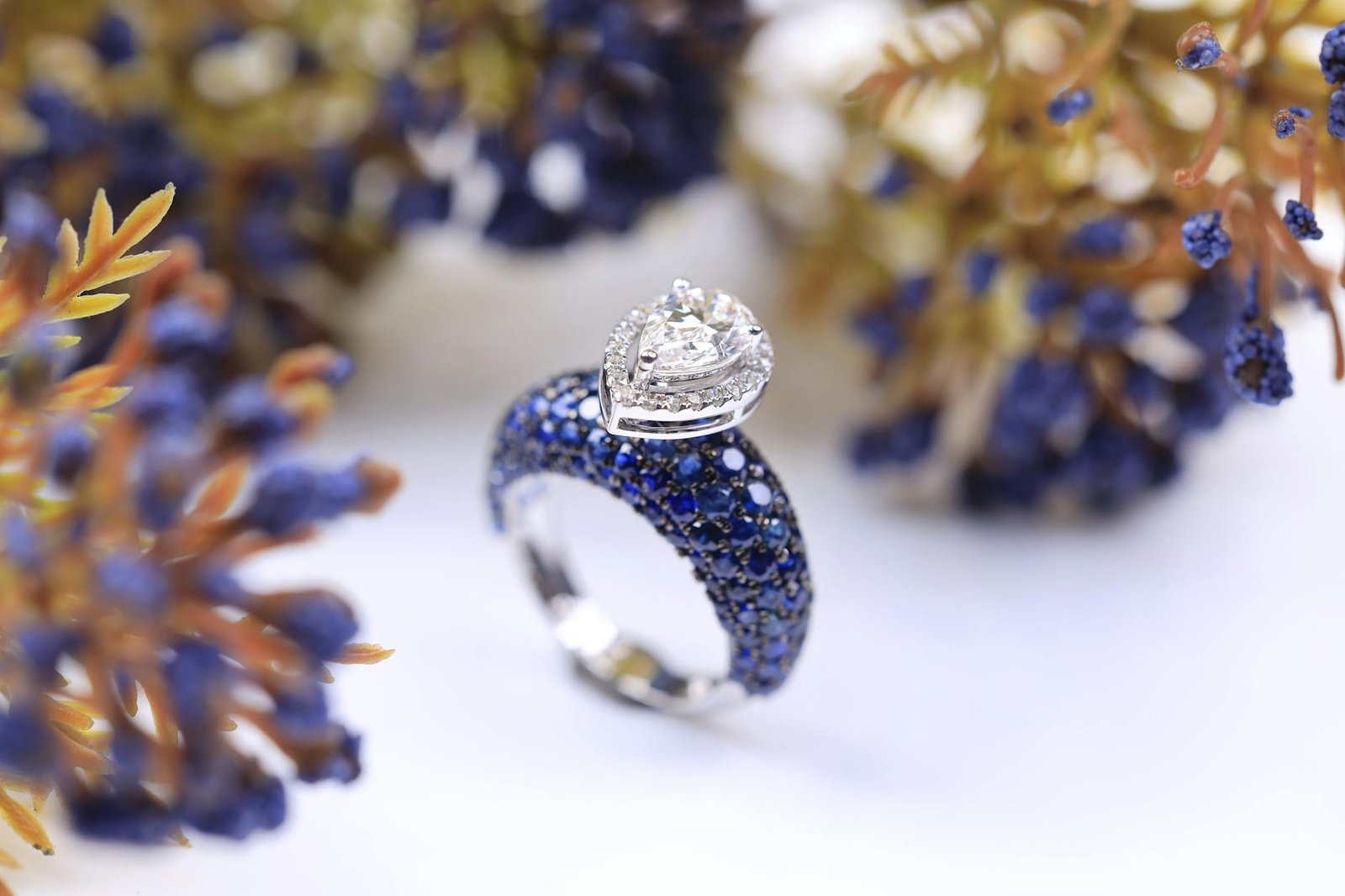
The premium commanded by a no heat sapphire over an equivalent heated stone is not arbitrary. It is driven by supply fundamentals, collector demand, and the increasing transparency that modern gemological science has brought to the market. Understanding no heat vs heated sapphire value requires looking at the premium from several angles simultaneously.
At the entry level, a well-cut no heat blue sapphire in the one-to-two carat range might carry a 30–50% premium over a comparable heated stone of similar colour and clarity. As size increases, so does the premium — dramatically. In the three-to-five carat range, fine no heat Ceylon sapphires regularly trade at 80–150% above heated equivalents at major auction houses including Christie’s and Sotheby’s. Above five carats, with ideal colour (the velvety cornflower or royal blue associated with the finest Ceylon material), a no heat stone can reach multiples of the heated price, with premiums occasionally exceeding 200% for exceptional specimens.
Burma no heat sapphire operates in its own pricing tier entirely. Mogok-origin unheated sapphires, particularly those with strong royal blue colour and GRS or Gübelin origin confirmation, are among the most sought-after natural gemstone investments available. The Bvlgari-association that collectors often reference — the house’s historic use of Burmese no heat stones in signature pieces — has educated a generation of high-net-worth buyers about the provenance premium, accelerating demand beyond what supply can satisfy.
No heat pink sapphire ring demand has grown substantially in recent years as bridal buyers seek alternatives to traditional blue. Fine unheated pink sapphires from Ceylon, grading into padparadscha territory, can command premiums exceeding 100% over heated equivalents. Vintage no heat sapphire ring pieces, particularly those from the Art Deco and Edwardian periods where heating was less common, attract estate buyers who understand that pre-treatment era stones carry an inherent no heat probability — though laboratory verification remains essential even for antique material.
“An unheated sapphire of fine quality is not simply a better stone — it is a different category of stone entirely. The certificate does not add value; it reveals value that was always there, waiting to be confirmed.”
| Sapphire Type | Treatment Status | Typical Price Premium vs. Heated | Recommended Certificate |
|---|---|---|---|
| Ceylon Blue (1–2ct, fine colour) | No Heat | +30–50% | GRS, GIA, SSEF |
| Ceylon Blue (3–5ct, fine colour) | No Heat | +80–150% | Gübelin, GRS, SSEF |
| Burma Blue (any size, fine colour) | No Heat | +100–200%+ | Gübelin, GRS |
| Ceylon Pink / Padparadscha | No Heat | +80–120% | Gübelin, GRS, SSEF |
| Any Origin | Minor Heat | +5–15% (marginal) | Any recognised lab |
| Any Origin | Heated | Baseline (0%) | Any recognised lab |
Buying No Heat Sapphire in Singapore — What Serious Buyers Need to Know
Singapore occupies a unique position in the global coloured stone market. As a regional hub for gem trading between South and Southeast Asian sources and international collectors, the city-state has a concentration of gemological expertise that few markets can match. For buyers looking to buy no heat sapphire Singapore, the local market offers genuine access to fine material — but it also requires vigilance, because the volume of treated stones in circulation is high and misrepresentation, whether intentional or through ignorance, is a real risk.
When sourcing a no heat ceylon sapphire ring Singapore or evaluating any certified no heat sapphire jeweller Singapore, prioritise sellers who can produce original laboratory documents rather than photocopies, who can verify certificates online with you present, and who are willing to discuss the gemological basis for the no heat determination. Transparency at the point of sale is the single strongest signal of a trustworthy source.
Our Yala Gems team works exclusively with certified natural gemstone material and can provide full documentation provenance for every no heat stone in our inventory. If you are at the research stage and want to understand what a specific certificate means, or if you are ready to commission a no heat sapphire engagement ring Singapore, we welcome you to speak with our gemologists directly. We can walk you through certificate interpretation, origin determination, and market pricing in a single conversation.
For a broader understanding of Ceylon sapphire provenance, quality grading, and value drivers beyond treatment status, our comprehensive Ceylon Sapphire buyer’s guide covers the full landscape — from mine to market — and provides essential context for any serious purchase decision. Treatment status is one dimension of value; our guide shows how it interacts with colour, cut, origin, and weight to determine final price.
When evaluating a gemstone Singapore purchase, one question separates informed buyers from everyone else: “May I see the original certificate, and can we verify it together online right now?” A credible seller will not hesitate. The few minutes that verification takes is the most important due diligence you can perform, and it is entirely free. If you encounter resistance or delay at this step, treat it as a definitive signal to walk away — no matter how beautiful the stone or persuasive the story around it.
Frequently Asked Questions
Final Thoughts
The no heat designation transforms a beautiful sapphire into a verifiable natural treasure. Treatment detection has become sophisticated enough that serious buyers can trust laboratory conclusions from leading institutions — but only when the right laboratories are involved and the documentation is scrutinised with care. The price premium for no heat material is not market sentiment; it is the logical consequence of genuine rarity meeting transparent verification, and it has shown remarkable resilience across market cycles.
Whether you are drawn to the velvety blue of a no heat ceylon sapphire, the passionate allure of a Burma no heat stone, or the growing elegance of no heat pink sapphire ring designs, the principles remain constant: demand the right certificate, verify it independently, and buy from a source whose knowledge you can trust. For the full context of Ceylon sapphire quality, provenance, and pricing that gives no heat status its full meaning, we recommend reading our Ceylon Sapphire buyer’s guide — it provides the broader foundation that makes this specific knowledge truly actionable.
Ready to Find Your Certified No Heat Sapphire?
Explore our knowledge hub for deeper guidance on natural gemstone treatments, certification, and value — or speak with our team to discuss your specific requirements.