
Choosing a coloured stone for an engagement ring is one of the most personal decisions a buyer can make — and one of the most misunderstood. Unlike diamond bridal jewellery, where the grading criteria are largely standardised, each natural gemstone brings its own set of trade-offs: hardness, clarity expectations, treatment norms, and symbolic weight that vary dramatically from stone to stone. A ruby that looks breathtaking under candlelight may show its inclusions harshly in daylight. A deeply saturated emerald may demand more care than a busy lifestyle allows. Getting this decision right requires more than aesthetic instinct.
This guide cuts through the generalities and goes stone by stone — ruby, sapphire, emerald, and a curated set of alternatives — so you can weigh durability, meaning, and market value before you commit. Whether you are searching for gemstone engagement rings in Singapore or exploring options to speak with our gemologists about a custom piece, what follows is the focused, practical knowledge that will anchor your choice.
- Hardness alone does not determine wearability — toughness, cleavage, and treatment stability all matter for daily wear.
- Sapphire is the most practical coloured stone for an engagement ring, scoring 9 on the Mohs scale with no cleavage and broad treatment acceptance.
- Ruby carries the highest symbolic intensity and the strongest price appreciation among coloured stones, but quality benchmarks are exacting.
- Emerald requires the most protective setting and lifestyle consideration due to its characteristic inclusions and brittleness under impact.
- Alternatives such as spinel, alexandrite, and green sapphire offer exceptional durability and distinctiveness, often at more accessible gemstone engagement ring price points.
Sapphire: The Enduring Benchmark for Bridal Wear
When gemologists are asked what is the best gemstone for an engagement ring purely on practical merit, sapphire consistently tops the answer. Corundum — the mineral family sapphire belongs to — registers a 9 on the Mohs hardness scale, second only to diamond among commonly worn stones. Crucially, it also has no cleavage planes, meaning it resists chipping along structural weak points in a way that many harder-seeming stones simply cannot.
Blue sapphire carries centuries of royal and romantic symbolism. It has historically represented fidelity, wisdom, and celestial favour — a meaning that resonates deeply with the intention of an engagement ring. The 2021 surge in interest following high-profile celebrity rings has reinforced sapphire’s dominance in coloured stone bridal search behaviour, but its appeal long predates any trend cycle. For buyers researching a blue sapphire engagement ring in Singapore, the origin question is paramount: Ceylon sapphires from Sri Lanka command significant premiums for their silky cornflower blue, while Australian and Thai stones tend toward darker, more inky tones at lower price points.
Heat treatment is near-universal in commercial sapphire and is broadly accepted by the trade. What commands a premium — and often certification from GRS, Gübelin, or AGL — is an unheated sapphire with a credible no-heat report. Sapphire engagement ring price ranges in Singapore span from SGD 3,000 for a modest heated stone in gold to well above SGD 50,000 for a fine unheated Ceylon sapphire in a bespoke setting. Our dedicated article on the sapphire ring covers grading, origin premiums, and setting styles in far greater depth for buyers who want to go further on this stone alone.
When evaluating a blue sapphire for an engagement ring, ask for the stone’s colour described in terms of hue, tone, and saturation rather than simply accepting a trade name like “cornflower blue.” The most prized sapphires sit at a medium to medium-dark tone with vivid saturation and a dominant blue hue of 85 percent or more — anything over-dark loses brilliance under artificial light, which is where an engagement ring is most often seen and admired.
Ruby: The Stone of Passion and Its Real-World Trade-Offs
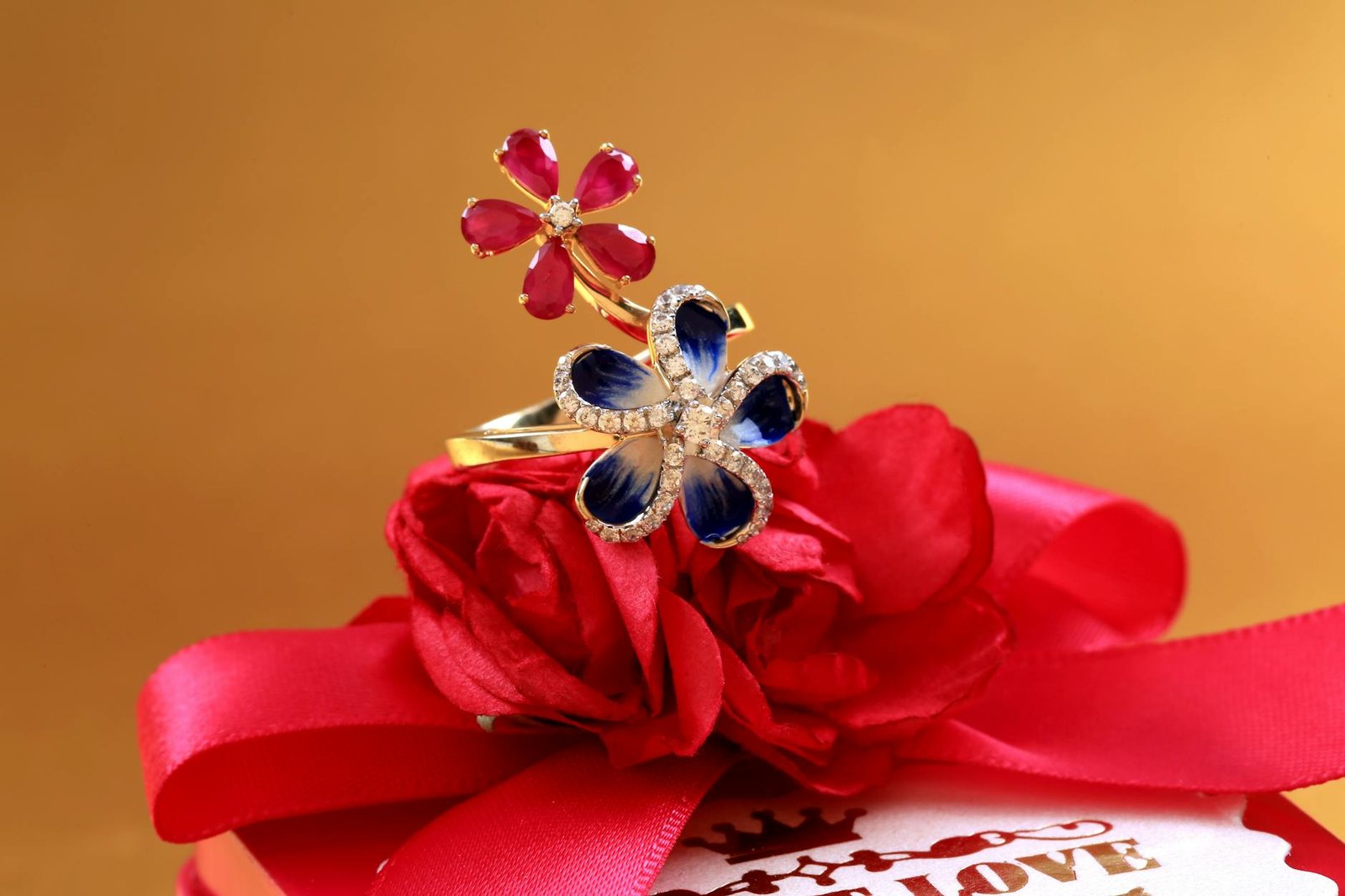
No natural gemstone carries the emotional voltage of a fine ruby. Red has universally signified love, courage, and life force across cultures — from Burmese royalty who believed ruby made its wearer invincible in battle, to contemporary couples for whom the stone’s intensity reflects the depth of their commitment. For those drawn to a ruby engagement ring, the symbolism alone justifies serious consideration.
Ruby shares corundum’s Mohs 9 hardness, giving it the same excellent durability profile as sapphire. The practical concerns are different, however. Fine ruby is among the rarest natural gemstones on earth — a truly unheated Burmese ruby of above two carats with pigeon blood colour and a prestigious laboratory certificate is genuinely scarcer than a comparable diamond and priced accordingly. Heat treatment in ruby is common and accepted, but fracture filling — where a glass-like substance is introduced to improve clarity — is considered a significant treatment that substantially lowers value and requires disclosure. Buyers should insist on laboratory certification and ask specifically about clarity enhancement status before purchasing.
Budget expectations matter here. A commercially heated ruby of one carat in a simple gold setting may be accessible in the SGD 5,000–12,000 range in the Singapore market. A fine heated Burmese ruby of the same size from a reputable dealer at Yala Gems or our Singapore boutique would comfortably reach SGD 20,000–40,000, and an unheated stone of comparable quality enters six-figure territory. The sapphire engagement ring price range is generally more accessible for equivalent size and quality, which is worth factoring into a realistic budget conversation.
Emerald: Breathtaking Beauty That Comes with Conditions
Emerald is the most visually dramatic choice for an engagement ring and arguably the most demanding. It belongs to the beryl family, sitting at Mohs 7.5–8 — softer than both corundum stones — and possesses two directions of cleavage that make it vulnerable to chipping under direct impact. The characteristic garden of inclusions that gemologists call jardin is not a defect in emerald but a fingerprint of authenticity; eye-clean emeralds are extraordinarily rare and command prices that rival top sapphires and rubies.
Symbolically, emerald speaks of renewal, growth, and enduring love — the green of living things, of spring, of a life building forward together. For couples who connect with that imagery, no substitute quite delivers the same visual declaration. Colombian emeralds are widely regarded as the finest, prized for their warm, slightly yellowish-green hue; Zambian stones run cooler and more bluish-green at typically lower price points.
The treatment standard in emerald is oil or resin filling of surface-reaching fractures, graded on a scale from “none” to “significant.” A minor or moderate oil grade is broadly accepted. Significant filling is a red flag for long-term value. For an engagement ring that will be worn daily, a bezel or halo setting that protects the girdle and table is strongly advisable over a classic four-claw solitaire. Couples considering emerald engagement rings in Singapore should also think realistically about lifestyle — gardening, gym sessions, and frequent hand washing can accelerate wear and dislodge fracture-filling oils over time.
“The finest emeralds are not flawless — they are alive. Their inclusions tell the story of the earth’s pressure and time. The question for a bridal stone is not whether inclusions are present, but whether they threaten the stone’s structural integrity under daily wear.”
Alternatives Worth Serious Consideration
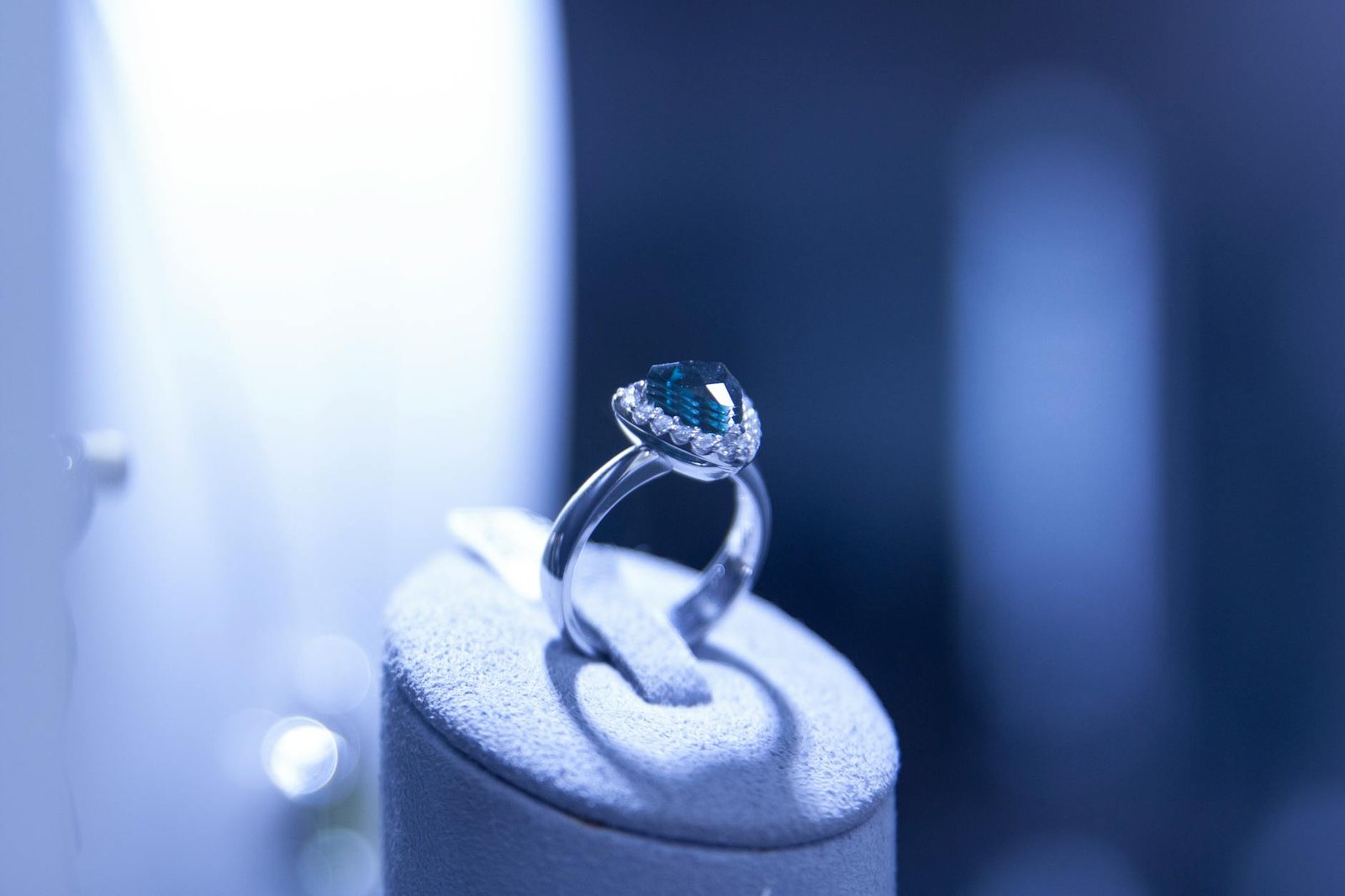
Beyond the classical trio, several natural gemstones deserve a place in any honest engagement ring conversation. These stones are not compromises — for the right buyer, they are the superior choice on every metric that matters.
Spinel sits at Mohs 8 with no cleavage and remarkable brilliance, historically confused with ruby in many royal collections including the Black Prince’s Ruby in the British Crown Jewels. Red and hot-pink spinels in particular offer the emotional intensity of ruby at a fraction of the price. Because spinel has only recently emerged from ruby’s shadow in mainstream awareness, prices remain excellent value — a quality natural gemstone of two carats can be acquired for what would buy a modest heated ruby of half the size.
Alexandrite is the wildcard: a colour-change chrysoberyl at Mohs 8.5 that shifts from green-teal in daylight to red-purple under incandescent light. It is extremely rare in fine quality, and prices for large natural stones can be dramatic. For the right partner — someone who finds meaning in complexity and transformation — it is deeply distinctive. Buyers can also speak with our gemologists about lab-grown alexandrite as an accessible entry to this phenomenon.
Green sapphire has emerged as a quietly sophisticated choice. Sharing the same Mohs 9 durability and treatment tolerance as blue sapphire, it offers the lush green palette of emerald with a fraction of emerald’s care requirements. As a lower-competition gemstone in Singapore, it represents excellent value for those who want a distinctive, durable, natural gemstone engagement ring without the maintenance demands of emerald.
If you want to buy gemstone online or explore loose stones before committing to a setting, look for dealers who provide laboratory certificates and transparent origin disclosure. When you buy gemstone online from an established source, the certification chain should be seamless from stone to setting.
Singapore buyers have the advantage of proximity to major gemstone trading hubs in Bangkok and Hong Kong, which means reputable local jewellers often have direct access to stones that would take weeks to source in European markets. When choosing where to buy gemstone engagement rings in Singapore, ask whether the retailer sources direct or through intermediaries — direct sourcing typically means better traceability, fresher inventory, and more honest pricing on natural gemstone stock.
Comparing the Stones: Durability, Symbolism, and Value at a Glance
| Gemstone | Mohs Hardness | Cleavage / Toughness | Core Symbolism | Treatment Norm | Relative Value (1ct fine, SGD) |
|---|---|---|---|---|---|
| Blue Sapphire | 9 | None / Excellent | Fidelity, wisdom, royalty | Heat (accepted); no-heat commands premium | SGD 4,000–30,000+ |
| Ruby | 9 | None / Excellent | Passion, courage, love | Heat (accepted); fracture fill (disclosure required) | SGD 8,000–50,000+ |
| Emerald | 7.5–8 | Two directions / Moderate | Renewal, growth, enduring love | Oil/resin filling (graded by extent) | SGD 5,000–40,000+ |
| Spinel | 8 | None / Very Good | Vitality, originality | Usually none | SGD 2,000–15,000+ |
| Green Sapphire | 9 | None / Excellent | Growth, calm, distinction | Heat (accepted) | SGD 1,500–10,000+ |
| Alexandrite | 8.5 | None / Excellent | Transformation, duality | Usually none (natural); lab-grown widely available | SGD 10,000–80,000+ (natural) |
The values above reflect fine-quality natural gemstone stones with credible laboratory certification. Commercial-grade material sits considerably lower. Prices in the Singapore market can vary based on origin, treatment status, and whether the stone is sourced through a boutique like Yala Gems or acquired through a grey-market online channel without verification.
Frequently Asked Questions
Final Thoughts
Every stone covered here has earned its place in the finest engagement rings ever made. The real question is not which gemstone is objectively best — it is which combination of durability, meaning, and value best fits the person who will wear this ring every day for decades. Sapphire gives you the most forgiving and versatile foundation. Ruby gives you the most passionate statement. Emerald gives you incomparable visual drama if you are prepared to honour its needs. And the alternatives — spinel, alexandrite, green sapphire — give you the freedom to be genuinely original without sacrificing quality.
For buyers whose curiosity has been drawn particularly to the blue stone, our pillar article on the sapphire ring takes the conversation further, covering origin premiums, grading distinctions, and setting styles in full. Whichever direction your research takes you, the decision deserves unhurried attention and expert guidance. A natural gemstone chosen with knowledge is not just a ring — it is a considered, lasting expression of something real.
Ready to Find the Stone That Belongs to Your Story?
Our team at Yala Gems sources certified natural gemstones and crafts custom engagement rings for discerning buyers across Singapore. Every consultation is private, unhurried, and grounded in decades of gemological expertise.