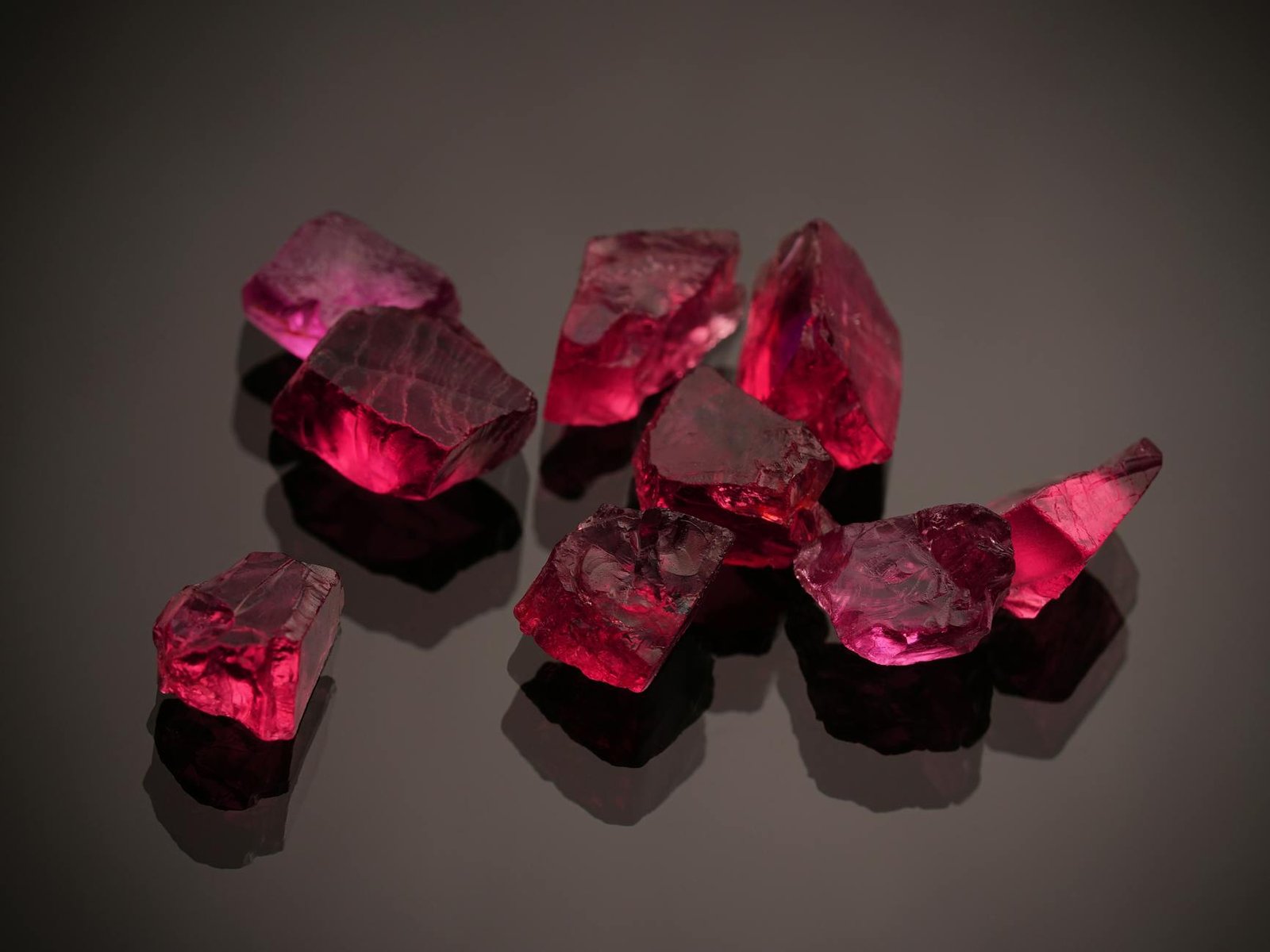
There are gemstones, and then there is the pigeon blood ruby. No other stone commands the same breathless reverence from collectors, gemmologists, and jewellery connoisseurs the world over. Its colour — a saturated, vivid red with an almost electric inner glow — has been the obsession of royalty, the subject of folklore, and the centrepiece of the most significant jewellery auctions of the past century.
The term “pigeon blood” is not mere poetry. It is a precise, internationally recognised quality designation used by the world’s leading gemological laboratories to describe a natural ruby of exceptional hue, saturation, and luminosity. A true pigeon blood ruby displays a pure red — neither too orange nor too purple — accompanied by a strong red fluorescence that causes the stone to appear as though it is lit from within, even in low light. It is, by every measure, the apex of the ruby category.
At Yala Gems, we believe that acquiring a stone of this calibre is one of the most meaningful investments a person can make — in beauty, in heritage, and in enduring value. This guide covers everything you need to know about the pigeon blood ruby: its origins, how quality is evaluated, what it is worth, and how to approach the purchase with the knowledge and confidence it deserves.
- Pigeon blood is the highest colour grade awarded to a natural ruby, defined by its pure red hue, exceptional saturation, and characteristic inner fluorescence.
- The most prized pigeon blood rubies originate from Myanmar’s Mogok Valley, though fine specimens also emerge from Mozambique and Vietnam.
- Laboratory certification from GIA or Gübelin is essential — it confirms both the natural origin of the stone and its pigeon blood designation.
- Pigeon blood ruby prices can range from a few thousand to hundreds of thousands of dollars per carat, depending on size, clarity, and provenance.
- Singapore has become a leading destination for acquiring certified natural gemstones, offering access to reputable boutiques and expert gemological guidance.
- Whether set in a pigeon blood engagement ring or worn as a statement gemstone ring, these rubies represent a rare convergence of beauty and lasting financial value.
What Is a Pigeon Blood Ruby?
The question “what is pigeon blood stone?” arises often among first-time buyers, and the answer rewards attention. Pigeon blood is a colour grade — not a type of ruby — assigned exclusively to natural rubies that meet a very narrow set of chromatic criteria. The designation originates from the traditional Burmese gemstone trade, where the colour of the blood visible in the eye of a freshly slaughtered pigeon was used as an analogy for the ideal ruby red.
In modern gemological practice, the pigeon blood designation is awarded by independent laboratories such as the Gemmological Institute of America (GIA) and the Gübelin Gem Lab. These institutions evaluate hue, tone, and saturation against calibrated standards. A qualifying stone must present a red hue with at most a faint secondary purple or pink modifier, combined with a vivid to strongly saturated tone and a red fluorescence that enhances the stone’s apparent brightness under a range of lighting conditions.
What does a pigeon blood ruby look like in person? The effect is deeply striking. The stone appears to pulse with colour. Under incandescent light, it deepens to a rich arterial red. In daylight, the fluorescence ignites it into something closer to a living flame. There is no equivalent in any other natural gemstone category — not even among the finest natural rubies that fall just short of the pigeon blood threshold.
The fluorescence in a pigeon blood ruby is caused by chromium — the same element responsible for the stone’s red colour. In Mogok rubies, low iron content allows this fluorescence to express fully, which is a key reason Burmese stones so consistently outperform those from iron-rich deposits. When evaluating any pigeon blood ruby, always request fluorescence data alongside the standard colour grading report.
Origin and Provenance: Where the Finest Rubies Are Born
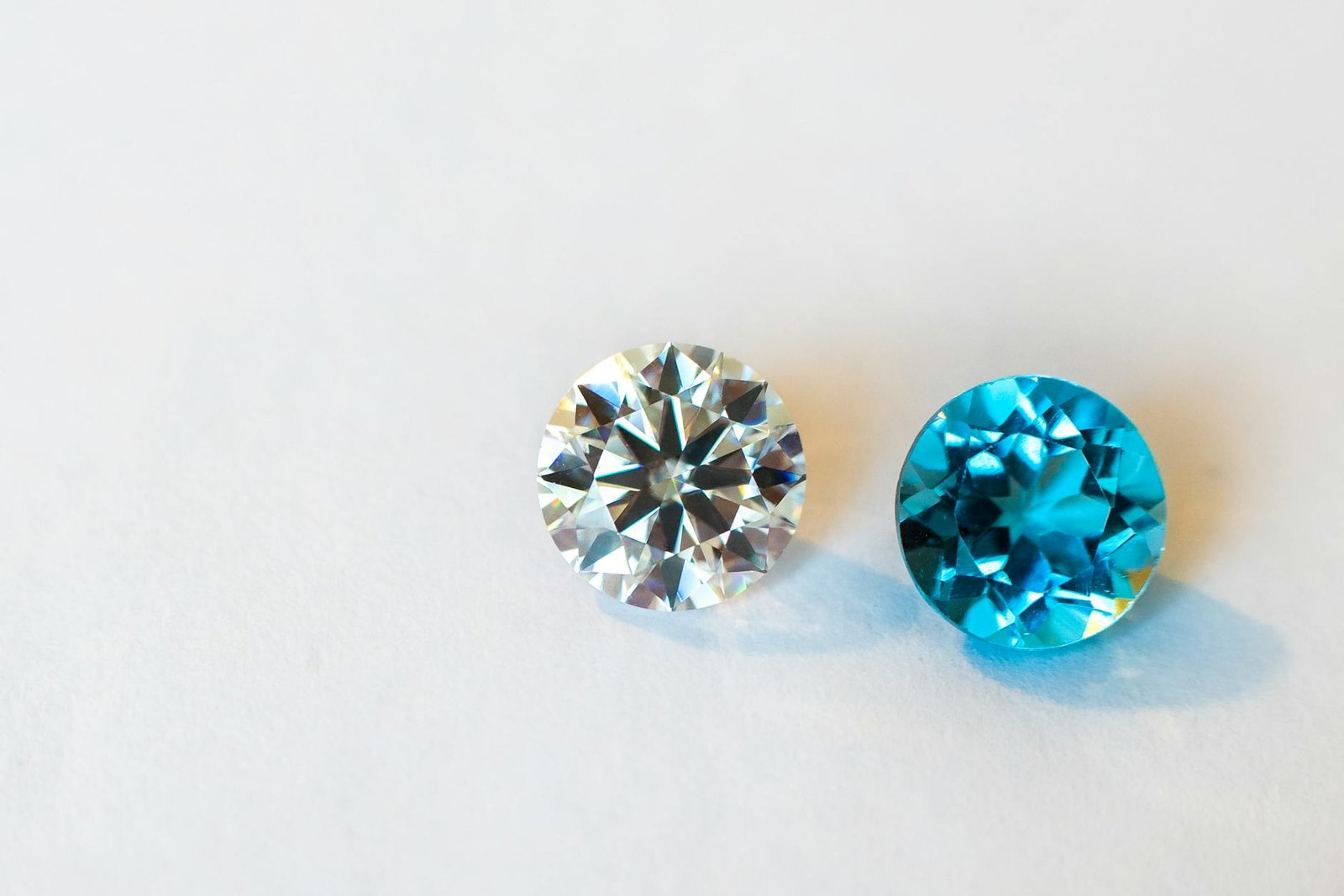
Myanmar’s Mogok Valley remains the gold standard of ruby provenance. Referred to historically as the Valley of Rubies, Mogok has produced pigeon blood stones for over a thousand years. The geological conditions there — marble-hosted deposits with minimal iron — create the chemical environment that yields the vivid red hue and powerful fluorescence characteristic of the finest pigeon blood rubies. A certified Mogok origin adds meaningful premium to any stone’s value.
Vietnam’s Luc Yen and Quy Chau regions produce rubies of comparable quality in some cases, and Mozambique’s Montepuez deposit has introduced a compelling modern source of vivid red rubies that can legitimately attain pigeon blood certification. Thai and Sri Lankan rubies, while beautiful, tend toward darker or more purple-modified tones and rarely achieve the designation. Origin, verified by laboratory analysis of trace element chemistry and inclusion characteristics, is a primary value driver.
Provenance also carries ethical and legal dimensions. Responsible buyers should seek stones accompanied by documentation confirming they are free of sanctioned origins and sourced through transparent supply chains. At our Singapore boutique, every natural ruby we offer is accompanied by appropriate certification and provenance documentation, because the story behind a stone matters as much as its beauty.
Evaluating Quality: The Four Cs and Beyond
Pigeon blood colour is the single most important quality factor for a ruby — far more influential on price than it is for a diamond. The specific hue must be a pure, strong red. Any significant tilt toward orange or purple removes a stone from pigeon blood consideration entirely. Saturation must be vivid, and tone must sit in the medium to medium-dark range; stones that are too dark lose the luminosity that defines the category.
Clarity expectations for rubies differ from those applied to diamonds or even natural sapphire. Most natural rubies contain inclusions — fine silk, fingerprints, growth tubes — and a completely inclusion-free pigeon blood ruby of significant size is extraordinarily rare. The accepted standard for fine rubies is “eye clean,” meaning no inclusions are visible to the unaided eye at a normal viewing distance. Inclusions that interfere with transparency or threaten durability are penalised heavily.
Cut quality profoundly affects the appearance of a pigeon blood ruby. A well-executed cushion or oval cut maximises the stone’s colour window and directs light efficiently through the table. Poor proportions can cause windowing — a pale, washed-out centre — or extinction, where portions of the stone appear dark and lifeless. Carat weight, finally, exerts an exponential effect on price per carat. Stones above two carats of true pigeon blood quality are exceptionally scarce; those above five carats are considered world-class rarities.
“A fine pigeon blood ruby does not ask to be noticed. It insists on it — with every shift of light, every angle, every glance. It is the one gemstone that truly appears to generate its own colour.”
Collector Appeal and Investment Value

How much is a pigeon blood ruby worth? The honest answer is: significantly more than most buyers expect, and often more than the seller has priced it. At auction, fine pigeon blood rubies from Mogok have achieved prices exceeding USD 1 million per carat for exceptional specimens. In the retail market, certified pigeon blood rubies typically begin at USD 5,000 to 10,000 per carat for smaller stones with minor inclusions, scaling steeply with size and quality.
The investment case for pigeon blood rubies is compelling precisely because supply is structurally finite. Mogok production has declined over decades, Mozambican output is subject to geopolitical and regulatory uncertainty, and no new major deposit of comparable quality has emerged. Meanwhile, demand from collectors across Asia, the Middle East, and Europe continues to intensify. These are the conditions under which asset values appreciate reliably over time.
Compared to other coloured gemstones, rubies — and pigeon blood rubies in particular — have demonstrated the most consistent price appreciation over the past 30 years. The comparison table below contextualises pigeon blood ruby pricing against other premium natural gemstones to illustrate the market positioning of this exceptional stone.
| Gemstone | Colour Grade | Typical Retail Range (per carat) | Key Value Driver |
|---|---|---|---|
| Pigeon Blood Ruby (Mogok) | Pigeon Blood — Vivid Red | USD 10,000 – 1,000,000+ | Colour grade, Burmese origin, size |
| Pigeon Blood Ruby (Mozambique) | Pigeon Blood — Vivid Red | USD 5,000 – 300,000 | Colour grade, certification, clarity |
| Royal Blue Natural Sapphire (Kashmir) | Royal Blue — Vivid | USD 8,000 – 500,000+ | Kashmir origin, no heat treatment |
| Padparadscha Natural Sapphire | Pink-Orange — Rare | USD 3,000 – 30,000 | Hue balance, Sri Lankan origin |
| Colombian Emerald (Muzo) | Vivid Green | USD 2,000 – 100,000+ | Colour, minor oil only, origin |
Singapore as a Premier Destination for Fine Rubies
Singapore occupies a unique position in the global coloured gemstone market. Its location at the intersection of South and Southeast Asian supply chains, its transparent regulatory environment, and its concentration of discerning, internationally connected collectors make it one of the most important cities in the world for acquiring exceptional natural gemstones. For buyers seeking a pigeon blood ruby, Singapore offers access to expertise and inventory that rivals major Western jewellery capitals.
The gemstone Singapore market is also distinguished by its consumer culture. Singapore buyers tend to be well-researched, quality-focused, and less swayed by brand prestige than by genuine material value. This creates a healthy environment for boutique specialists who compete on knowledge, curation, and personal service rather than on retail theatre alone. For a stone as nuanced as a pigeon blood ruby, that specialist expertise is not a luxury — it is a necessity.
Yala Gems was founded to serve exactly this kind of discerning buyer. Our team sources certified natural rubies, offers transparent pricing, and provides the kind of gemological context that empowers clients to make decisions they will feel confident about for decades. Whether you are considering a pigeon blood ring for personal wear, an engagement piece, or a long-term portfolio holding, we encourage you to speak with our gemologists before making any decision.
Singapore’s lack of import duties on gemstones and its position as a free port make it one of the most commercially efficient places to buy gemstone online or in person. Buyers from across the region — Malaysia, Indonesia, Hong Kong, and beyond — regularly source significant stones here, precisely because the combination of pricing transparency, access to certified stock, and specialist expertise is genuinely difficult to match elsewhere in Asia.
How to Buy a Pigeon Blood Ruby Safely — Online and In Person
The decision to buy gemstone online requires the same rigour as any in-person purchase — and in some respects, more. The internet has democratised access to coloured gemstones, which is a genuine benefit to buyers worldwide. It has also created space for misrepresentation, synthetic substitution, and misleading colour photography. Navigating this landscape safely requires a clear framework.
Start with certification. Any pigeon blood ruby commanding a serious price should carry a report from GIA, Gübelin, or the Swiss Gemmological Institute (SSEF). These reports confirm species, country of origin, treatment status, and — critically — whether the pigeon blood designation applies. A vendor who cannot or will not provide laboratory documentation for a stone priced above entry level should not receive your business, regardless of how compelling the photographs appear.
Treatment disclosure is equally important. The vast majority of natural rubies on the market have been heat treated to improve colour and clarity. This is a widely accepted, stable treatment that does not disqualify a stone from the pigeon blood grade — provided it is disclosed. Unheated pigeon blood rubies command a significant premium, sometimes 30 to 50 percent above equivalent treated stones, and the unheated status must be confirmed by laboratory report. No reputable vendor should hesitate to confirm treatment status in writing.
When you buy gemstone online from a specialist source, look for high-resolution video footage under multiple lighting conditions, not just static photography. Ask for the stone’s measurements and verify that the reported carat weight is consistent with its dimensions. Request a return period and independent appraisal option. And above all, speak with our gemologists or another qualified specialist before committing to any significant purchase. A brief conversation can save a great deal of regret.
Pigeon Blood Rubies in Fine Jewellery
The pigeon blood ruby ring is among the most striking pieces in fine jewellery. The stone’s vivid red plays exceptionally well against yellow gold, which amplifies its warmth, and against platinum or white gold, which creates a cool, high-contrast setting that foregrounds the colour without competition. Both approaches have their devoted adherents, and the choice is ultimately one of personal aesthetic philosophy.
The pigeon blood engagement ring has grown steadily in popularity as buyers look beyond the diamond for something with deeper rarity and more personal significance. A ruby engagement ring carries centuries of meaning — rubies were historically associated with passion, protection, and devotion — and a pigeon blood stone elevates that symbolism to its highest possible expression. For couples who want an engagement piece that is genuinely singular, there is no more powerful choice.
Men’s jewellery is a growing market in Singapore, and the pigeon blood ruby ring men category deserves particular attention. A single vivid red stone set in a substantial yellow gold or oxidised silver mounting makes for a statement piece of extraordinary presence. It is the kind of jewellery that communicates both taste and confidence — and that becomes, over time, a deeply personal object.
Frequently Asked Questions
Final Thoughts
The pigeon blood ruby represents something genuinely rare in the modern luxury market: a natural object of surpassing beauty whose value is grounded not in marketing but in geology, chemistry, and the irreversible scarcity of the natural world. It rewards the buyer who approaches it with knowledge, patience, and a willingness to insist on the highest standards of certification and transparency.
Whether your interest is in a pigeon blood ring for personal pleasure, a pigeon blood engagement ring that will become a family heirloom, or a natural gemstone held as a long-term store of value, the principles of wise acquisition remain the same. Understand what you are buying. Require documentation. Work with specialists who place your interests above a transaction. The gemstone singapore market, at its best, offers all of this — and a stone as significant as a pigeon blood ruby deserves nothing less.
At Yala Gems, we exist to make this level of acquisition possible for every client, regardless of where they begin their journey. The right stone, properly understood and correctly certified, is a purchase you will never regret.
Begin Your Pigeon Blood Ruby Journey
Explore our curated knowledge resources, or speak directly with our Singapore-based gemologists to discuss availability, certification, and pricing for certified pigeon blood rubies.