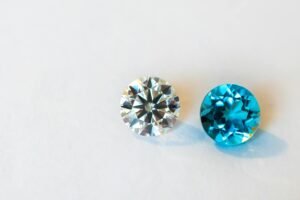

There is a particular kind of beauty that asks nothing of you — it simply arrests. The spinel Gemstone has done exactly that for centuries, adorning the crowns of empires and the collections of the world’s most discerning gem lovers, often without ever receiving the recognition it deserved. For much of history, fine red spinel was mistaken for ruby, sitting quietly in plain sight inside the British Imperial Crown, the Iranian treasury, and the storied jewels of the Mughal court. It took modern gemology to separate the two — and in doing so, it revealed spinel not as a pretender, but as a sovereign beauty in its own right.
Today, the spinel stone commands a devoted following among collectors who prize rarity above all else. Unlike many coloured gemstones that undergo routine heat treatment or glass-filling to improve their appearance, the finest Natural spinel gemstones reach the market almost exactly as nature produced them — untreated, unfilled, and uncompromised. That integrity is increasingly rare, and increasingly priced accordingly. A top-quality Burmese red spinel now challenges fine ruby for auction attention, while vivid pink and electric blue spinels from Sri Lanka and Tanzania draw equally passionate bidding from collectors in Hong Kong, Geneva, and Singapore.
What makes spinel particularly compelling in 2025 is the sense that the market is still in the early stages of broader discovery. Connoisseurs have known about it for decades, but mainstream luxury buyers are only now beginning to appreciate what they have been missing. For those willing to look closely, this is precisely the moment to understand the spinel gem — its Origins, its qualities, its price trajectory, and the quiet confidence it carries into every room.
- Spinel is a naturally occurring magnesium aluminium oxide that forms in marble and alluvial deposits, almost always without any heat or chemical treatment.
- The finest spinel gemstones come from Mogok in Myanmar, followed by Sri Lanka, Tanzania’s Mahenge and Tunduru regions, and Tajikistan’s Kuh-i-Lal mines.
- Spinel price per carat can range from under SGD 100 for commercial-grade stones to well over SGD 15,000 per carat for exceptional unheated reds and neon-pink Mahenge material.
- Because spinel is almost always untreated, buyers receive a natural gemstone without the value deductions that come with heated or filled stones in other species.
- Black spinel gemstone has emerged as a popular alternative to black diamond, offering dramatic contrast in jewellery at a significantly more accessible price point.
- Singapore is one of Southeast Asia’s most trusted destinations for acquiring certified loose spinel — buyers benefit from geographic proximity to source regions and access to internationally certified stones.
Where the Finest Spinel Comes From
To understand spinel’s value, you must first understand its geology. Spinel forms deep within metamorphic marble deposits, growing alongside ruby and Sapphire under intense heat and pressure. This shared geological environment explains why, for so long, the three species were confused. The classic spinel localities — Mogok in Myanmar, Badakhshan in Afghanistan, and the Kuh-i-Lal mines in Tajikistan — have been producing prized red and pink stones for over a thousand years. These are not incidental deposits; they are some of the most storied gem localities on earth.
Mogok remains the benchmark for red and pink spinel, producing stones with a saturated, almost luminous quality that gemologists describe as possessing exceptional “crystal.” Sri Lankan spinel tends toward pastel pinks and lilacs with outstanding transparency. Tanzania’s Mahenge plateau, however, has rewritten the premium tier since its discovery in the late 1980s — the intensely fluorescent hot-pink spinel from this region can glow under incandescent light in a way that has no precise parallel among any other gemstone species. Tunduru, also in Tanzania, yields a broader palette including reds, blues, and colour-change material of genuine collector interest.
Vietnamese spinel from the Luc Yen district and material from the Pamir mountains of Tajikistan round out the major sources. When purchasing a spinel stone, origin matters — but it matters in relation to colour, not as a substitute for it. A magnificent red from Sri Lanka will always outperform a dull specimen from Mogok. Origin establishes context; quality determines value.
At Yala Gems, we source spinel through established relationships with reputable dealers in Mogok, Mahenge, and Colombo. Every stone we present is accompanied by documentation from internationally recognised laboratories such as GRS, Gübelin, or SSEF, confirming natural origin and — critically — the absence of treatment. In a market where provenance claims can be loose, a credible laboratory report is your most valuable purchase document.
How Colour and Quality Define Spinel Value
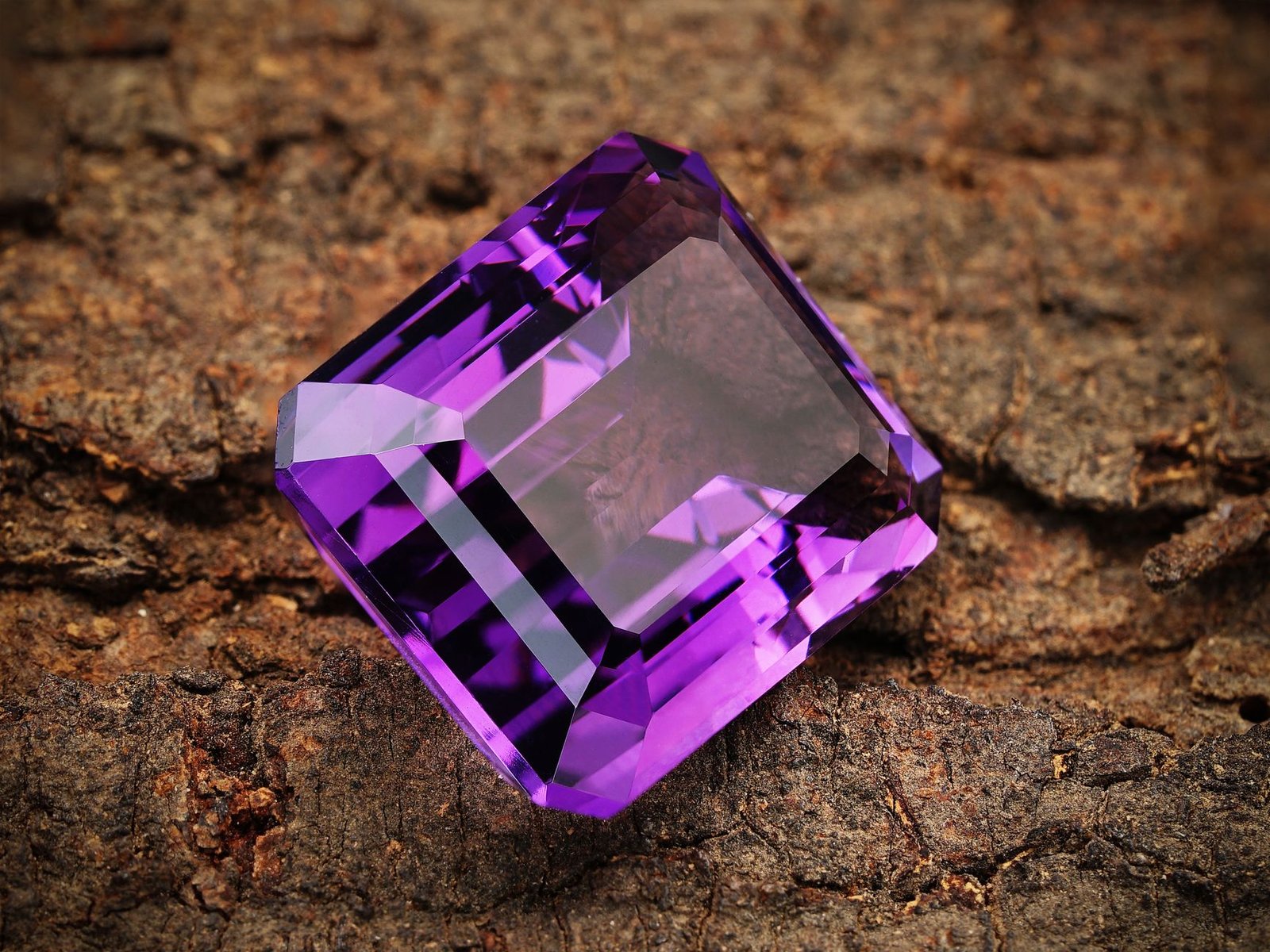
Ask ten gemologists what colour spinel should be, and you will receive ten slightly different answers — because spinel’s colour range is genuinely extraordinary. The species spans vivid reds, electric blues, neon pinks, soft lavenders, deep purples, vibrant oranges, and jet-black. Each colour occupies a distinct tier of the market, with different supply constraints and different buyer communities.
Red spinel is the historical benchmark. The ideal is a pure, vivid red — sometimes called “traffic-light red” — with no brown or orange secondary hue. This colour is exceedingly rare at sizes above three carats and commands the highest per-carat premiums in the category. Immediately behind it sits intense pink, particularly the neon “hot pink” or “flame” spinel from Mahenge, which benefits from natural fluorescence that amplifies its apparent saturation. Blue spinel, especially the cobalt-blue material from Sri Lanka, has seen dramatic price increases over the past decade as supply has tightened and collector awareness has grown. Lavender and purple spinels appeal to buyers seeking something softer and are currently undervalued relative to their beauty.
Beyond colour, three quality factors define a spinel gemstone’s grade: clarity, crystal, and cut. Spinel typically forms with fewer inclusions than ruby or emerald, and eye-clean stones are not exceptional below three carats. “Crystal” — the gemologist’s term for internal transparency and light transmission — is what separates a fine spinel from a merely good one. Cut matters enormously; a well-proportioned stone with correctly aligned facets will appear to generate light from within, while a poorly cut stone will look heavy and dead regardless of colour. When evaluating any spinel gem, always examine it under multiple light sources and compare it against known reference stones if possible.
| Spinel Colour | Primary Source | Price Range (per carat, SGD) | Collector Demand |
|---|---|---|---|
| Vivid Red | Mogok, Myanmar | SGD 5,000 – 20,000+ | Very High |
| Neon / Flame Pink | Mahenge, Tanzania | SGD 3,000 – 15,000+ | Very High |
| Cobalt Blue | Sri Lanka | SGD 2,500 – 12,000+ | High and Rising |
| Lavender / Purple | Sri Lanka, Vietnam | SGD 300 – 2,000 | Moderate |
| Orange / Flame | Tanzania, Vietnam | SGD 500 – 3,500 | Moderate |
| Black Spinel | Multiple origins | SGD 50 – 300 | Growing (jewellery use) |
Investment-and-collector-value”>Why Collectors and Investors Prize Spinel
The single most compelling argument for spinel’s investment case is structural scarcity combined with near-universal absence of treatment. Consider the comparison: the fine ruby and natural sapphire markets are heavily defined by treatment disclosure, with laboratory reports carefully noting whether a stone has been heated, glass-filled, or beryllium-diffused. In each of those categories, unheated natural gemstones carry significant premiums precisely because treated material is so much more common. Spinel does not share this problem. The overwhelming majority of fine spinel reaches the market entirely without treatment, which means buyers are not paying a premium for something rare within the category — they are simply buying the category as it naturally exists.
This has profound implications for value retention. A certified, untreated red spinel from Mogok is exactly what it appears to be, with no hidden deductions lurking in the disclosure section of a laboratory report. For collectors who have grown weary of navigating treatment hierarchies in ruby and sapphire, spinel offers a clean, uncomplicated entry point into the natural gemstone investment space.
Auction results bear this out. Over the past decade, record-setting spinels at Christie’s and Sotheby’s have repeatedly exceeded pre-sale estimates, often by significant multiples. A 50.13-carat Mughal spinel sold for over USD 5 million at Sotheby’s Doha in 2011. More recent auction cycles have seen fine Mahenge pinks and Mogok reds achieve per-carat prices that compete directly with equivalent-quality rubies. The gap between spinel and ruby pricing at the top end of the market is narrowing — and many analysts believe fine spinel is still undervalued relative to its scarcity and aesthetic qualities.
“Spinel is what ruby wishes it could be more often — naturally perfect, almost always untreated, and possessed of a fire and brilliance that needs no assistance from the treatment laboratory. The serious collector already knows this. The rest of the market is beginning to catch up.”
Singapore as a Destination for Spinel
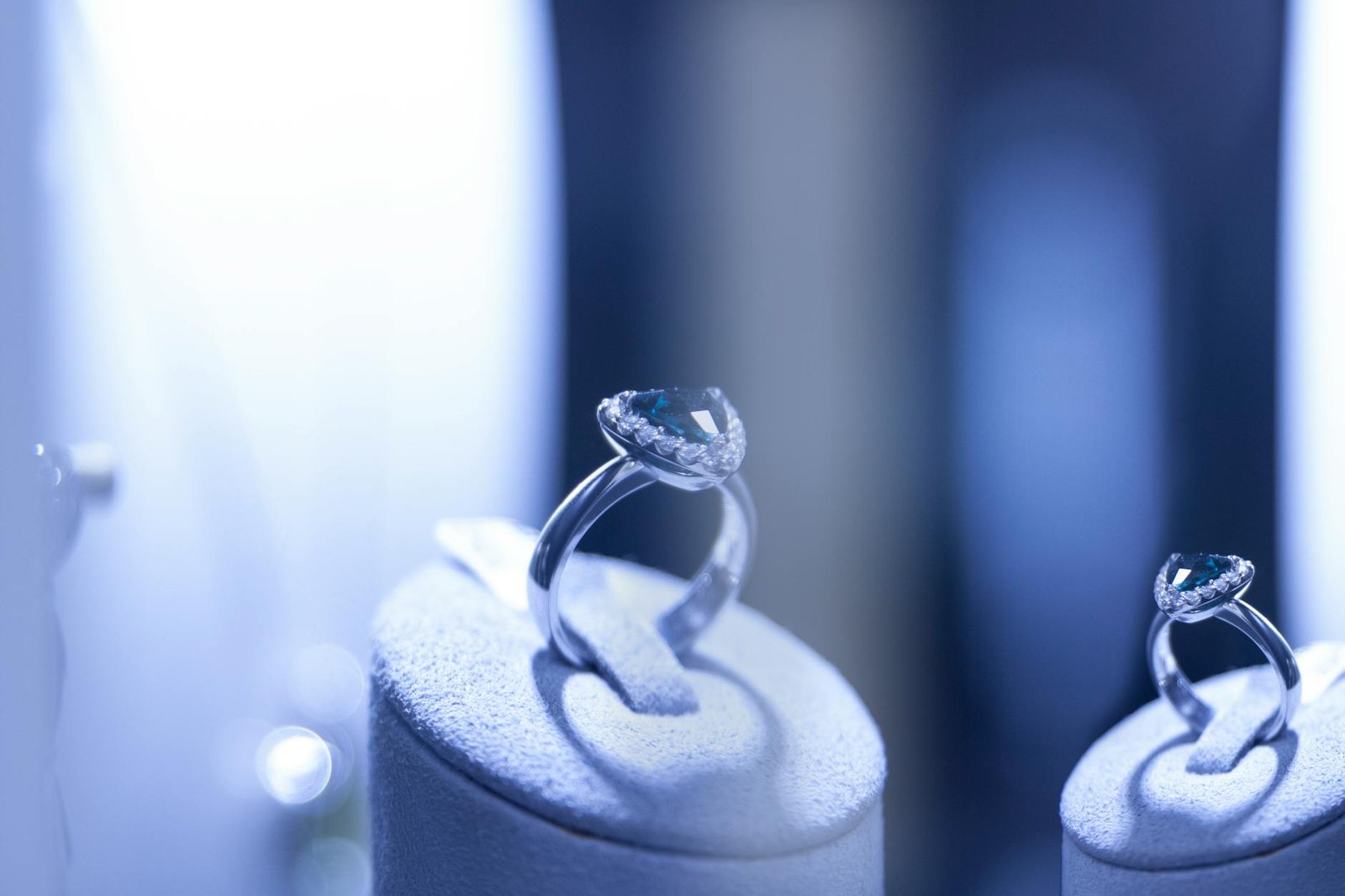
Singapore occupies a unique position in the coloured gemstone world. Geographically proximate to the major spinel-producing regions of Myanmar, Sri Lanka, and Vietnam, the city-state has developed into one of Asia’s most sophisticated gem trading hubs. Buyers who search for spinel ring Singapore or loose spinel stone Singapore are tapping into an ecosystem that combines regional sourcing access with the legal transparency, financial infrastructure, and professional standards expected by international collectors.
Purchasing a spinel gemstone in Singapore carries practical advantages that extend beyond geography. Singapore’s regulatory environment supports a robust independent gemological community, with access to reputable appraisers and laboratory-certified stones. Prices are typically denominated in Singapore dollars with full transparency on origin and treatment status, avoiding the opacity that can accompany purchases in informal trade markets closer to source regions. For buyers comparing spinel price across sourcing regions — including the well-known markets of Sri Lanka and Tanzania — a Singapore retailer with strong supplier relationships offers a meaningful quality assurance layer that purchasing directly in those markets does not always guarantee.
At Yala Gems, our curated spinel selection reflects a deliberate focus on quality over volume. We do not stock spinel by the tray; we source individual stones that meet our internal standards for colour, crystal, and cut before presenting them to clients. Each piece is accompanied by its laboratory documentation, and our team is available to walk buyers through every detail of a stone’s characteristics and provenance. If you are considering a significant spinel purchase, we invite you to speak with our gemologists for a personalised consultation.
When comparing spinel with other coloured gemstones for a gemstone ring, consider that spinel registers 8 on the Mohs hardness scale — slightly softer than natural sapphire at 9, but considerably harder than most other coloured gem species. This makes spinel a genuinely practical choice for daily-wear jewellery, not merely a collector’s cabinet stone. Its isometric crystal structure also means it has no cleavage planes, reducing the risk of chipping that can affect some other gem species.
How to Buy Spinel Online — Without Regret
The digital marketplace for coloured gemstones has expanded dramatically, and it is now entirely possible to buy gemstone online with Complete confidence — provided you approach the process with the right framework. Spinel, because it is less universally known than ruby or sapphire, is an area where buyer education is particularly important. Misrepresentation, whether intentional or through simple ignorance, is more common than it should be.
The first and non-negotiable requirement is laboratory certification from a recognised international authority. For spinel, the most respected reports come from GRS (Gem Research Swisslab), Gübelin Gem Lab, SSEF (Swiss Gemmological Institute), or Lotus Gemology — all of which have specific expertise in coloured gemstones from Asian and African sources. A certificate from one of these laboratories confirms species identification, origin where determinable, and the all-important treatment status. Do not purchase a spinel stone of meaningful value without one.
Second, insist on video footage under multiple light conditions — daylight, incandescent, and LED — before purchasing any natural gemstone remotely. Colour can shift dramatically between lighting environments, and a stone that photographs magnificently under studio lights may look quite different in the conditions where you will actually wear or display it. Third, understand the return and appraisal policy of any retailer from whom you intend to buy gemstone online. A reputable dealer will have a clear, no-pressure policy and will actively encourage independent verification. If a seller resists either of these reasonable requests, treat that resistance as a disqualifying signal.
Finally, use the pricing table in this article as a reference point — but recognise that exceptional stones routinely exceed typical ranges, and bargain pricing on material described as “finest quality” is almost always a warning sign rather than a fortunate discovery. For significant acquisitions, consider engaging an independent gemologist to review documentation before completing your purchase.
Black Spinel: A Category of Its Own
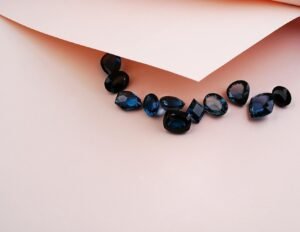
No treatment of the spinel gemstone would be complete without acknowledging black spinel as a distinct and increasingly popular category. Unlike the coloured varieties that draw collector attention, black spinel gemstone has found its strongest following among jewellery designers and style-forward buyers seeking a dramatic, high-contrast alternative to black diamond or black onyx. Black spinel’s deep, opaque lustre — often described as resembling polished jet or high-grade black tourmaline — suits bold jewellery design particularly well.
The practical case for black spinel in a gemstone ring is strong. It is harder than most alternatives, takes an excellent polish, and is significantly more affordable than black diamond. For those drawn to the aesthetic of dark, graphic stones in contemporary or architectural jewellery settings, black spinel offers compelling value without compromise on visual impact. Designers from London to Tokyo have incorporated it into high-fashion pieces, and its profile continues to rise with each passing season.
Frequently Asked Questions
Final Thoughts
Spinel’s moment has been a long time coming. Centuries of misidentification and decades of overshadowing by more famous neighbours have not diminished its qualities — if anything, they have preserved a window of opportunity for buyers who are paying attention. The spinel gemstone offers something increasingly difficult to find in the fine gem market: a natural gemstone of genuine beauty, almost universally untreated, produced in limited quantities from a handful of extraordinary localities, and still priced below its intrinsic worth relative to comparable species.
Whether you are drawn to the fire of a Mogok red, the incandescent glow of a Mahenge pink, the icy depth of a cobalt blue, or the quiet drama of black spinel in a striking jewellery setting, the category rewards careful study and deliberate purchase. The buyers who have taken spinel seriously over the past twenty years have watched their collections appreciate in both monetary and aesthetic terms. Those discovering it now are doing so at a moment when the broader market is still catching up — which is precisely the kind of moment that matters.
Approach every purchase with proper documentation, an honest evaluation of colour and crystal, and the guidance of a gemologist you trust. The investment in understanding will always return more than the investment in haste.
Explore Certified Spinel at Yala Gems
Browse our curated selection of natural, laboratory-certified spinel gemstones — sourced from Mogok, Mahenge, and beyond — or speak with our team to find a stone matched to your exact requirements.