Description
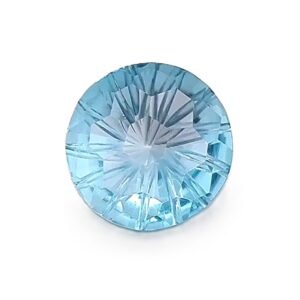
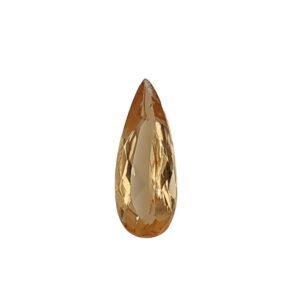
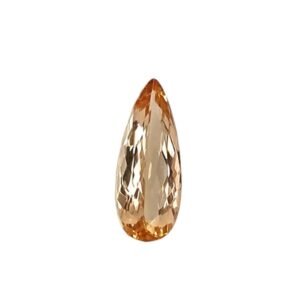
Blue topaz occupies a compelling place in the collector’s lexicon — a silicate mineral prized for its exceptional clarity and the kind of cool, glassy blue that recalls deep ocean water on a clear afternoon. This 7.61-carat specimen offers meaningful weight and optical presence at a price point that makes it an intelligent entry into fine coloured gemstones. For those building a considered collection or commissioning a bespoke piece, blue topaz of this calibre rewards close inspection.
| Name | Blue Topaz 7.61 cts |
|---|
| color | Blue |
|---|
| Price | Less than $500 |
|---|
Frequently Asked Questions
What gives blue topaz its colour, and how does this stone’s saturation compare to natural varieties?
Blue topaz in the market is almost universally treated through irradiation and heat processes that transform colourless or pale natural topaz into its characteristic blue. The resulting colour is stable and consistent, ranging from the soft sky tones of ‘Sky Blue’ to the deeper, greener ‘London Blue’ — with this stone falling within that recognisable spectrum of cool mid-blue saturation. Unlike some coloured stones where treatment diminishes value significantly, irradiated blue topaz is fully accepted across the trade as the standard form of the gem.
What are the optical and physical properties that define topaz as a gemstone?
Topaz is an aluminium silicate fluoride with a hardness of 8 on the Mohs scale, making it durable for most jewellery applications, though its perfect basal cleavage requires thoughtful setting and handling. It belongs to the orthorhombic crystal system and exhibits a vitreous lustre that contributes to its glassy, high-refractive appearance in cut form. With a refractive index between 1.609 and 1.643, well-cut topaz returns light with a brightness that is distinctly lively for a transparent gemstone.
How should blue topaz be cared for to preserve its clarity and colour long-term?
Because topaz has perfect cleavage in one direction, it should be protected from sharp blows and stored separately from harder stones to avoid surface abrasion. Cleaning is best done with warm soapy water and a soft brush — ultrasonic cleaners and steam cleaning carry risk and are generally not recommended for topaz. The irradiation-derived colour in blue topaz is considered permanent under normal wearing conditions, though prolonged direct exposure to intense sunlight over many years is best avoided as a precaution.
Does a blue topaz of this weight hold investment value, and is certification relevant at this price point?
Blue topaz is considered a semi-precious gemstone with broad commercial availability, so it does not carry the scarcity-driven investment premium of rubies, sapphires, or alexandrite. Its value lies primarily in its aesthetic and wearability qualities rather than speculative appreciation, which makes it an excellent choice for collectors prioritising beauty and craftsmanship over portfolio strategy. Formal laboratory certification is less common at this price tier but can be obtained from recognised bodies such as GIA or Gübelin if provenance documentation is desired for insurance or resale purposes.




Reviews
There are no reviews yet.