Description
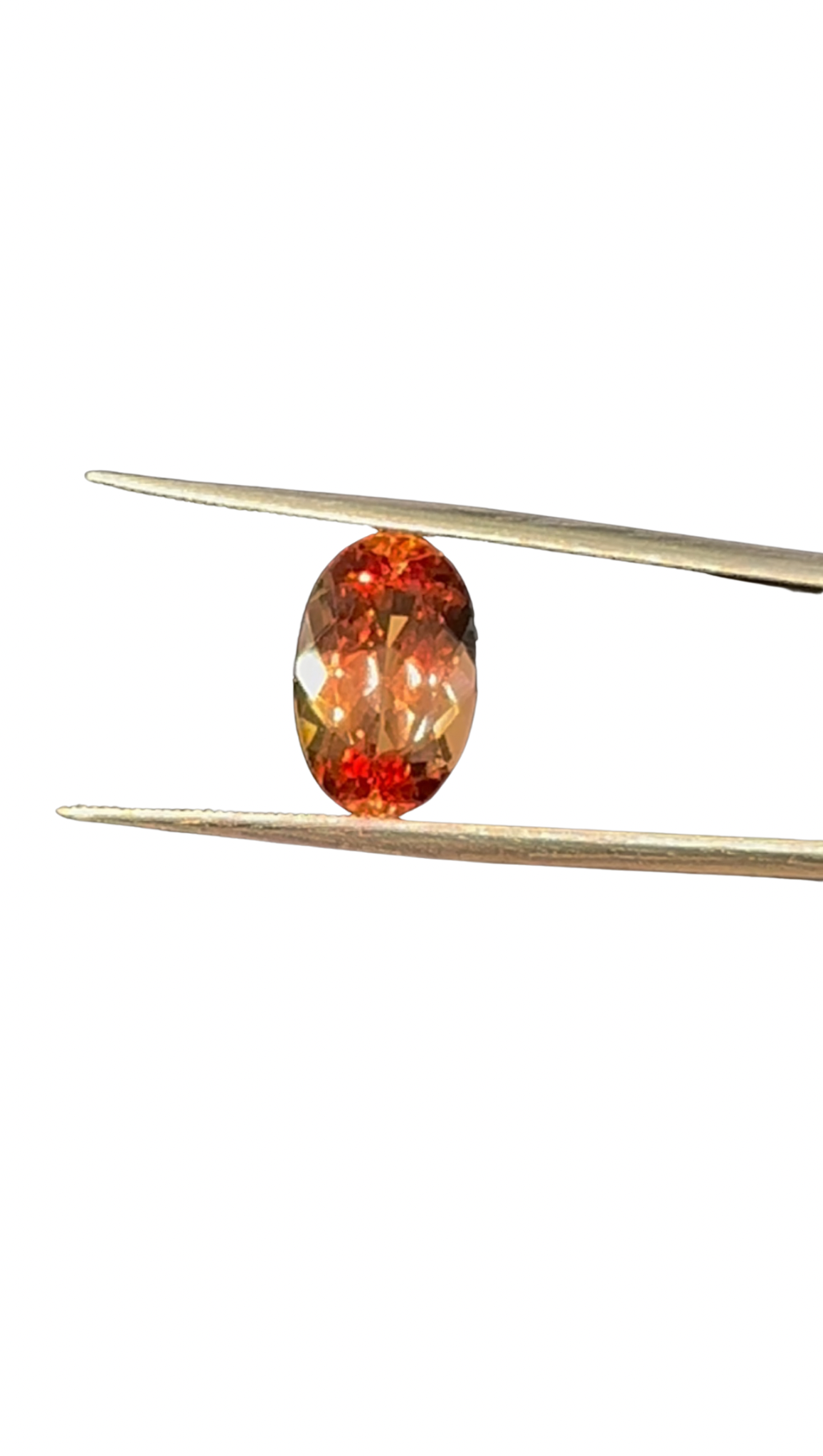
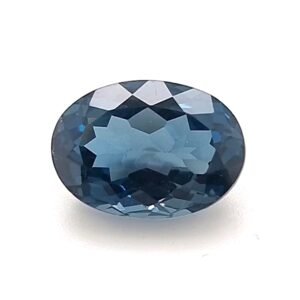
Among the most coveted of all collector’s gemstones, Imperial Topaz occupies a singular position in the world of fine minerals — prized not merely for its beauty, but for its vanishing rarity in truly natural, untreated form. This 3.10 carat oval specimen glows with a richly saturated orange and golden-orange hue, evoking the warmth of a late-afternoon sun caught in amber, its faceted depths shifting with quiet drama as the light moves across its surface. To own a stone such as this is to hold something genuinely scarce: a gem that arrives entirely as nature intended, unchanged and unhurried.
| Name | Natural Imperial Topaz – 3.10 cts |
|---|
| Weight | 3.10 Carats |
|---|
| Shape | Oval |
|---|
| Colour | Orange / Golden Orange |
|---|
| Clarity | Transparent |
|---|
| Cut | Faceted |
|---|
| Treatment | None Indicated |
|---|
| Origin | Possible Brazil (Exact origin undetermined) |
|---|
Frequently Asked Questions
What makes Imperial Topaz so rare and valuable compared to other topaz varieties?
Imperial Topaz refers specifically to the warm orange, golden-orange, and peachy-pink hues found predominantly in the Ouro Preto region of Brazil — a deposit that has been mined for centuries and is increasingly depleted. Unlike the more common blue topaz, which is typically irradiated and heat-treated from colourless material, true Imperial Topaz in natural, untreated form represents only a tiny fraction of the topaz entering the market each year. Its combination of deep saturation, transparency, and rarity of origin places it firmly in the category of collector-grade gemstones.
What does “None Indicated” treatment mean for this stone?
“None Indicated” means that no evidence of heat treatment, coating, or other enhancement has been detected in this gemstone — it presents as entirely natural. This is a particularly significant distinction for Imperial Topaz, as untreated examples command considerably greater respect and value among connoisseurs and collectors. The colour you see in this stone is the colour nature alone produced.
Is this stone suitable for setting in jewellery, and what settings would complement it best?
At 3.10 carats in an oval faceted form, this stone is beautifully suited to a statement ring, pendant, or even an earring centrepiece. Topaz registers 8 on the Mohs hardness scale, making it durable enough for regular wear with appropriate care. To honour its warm golden-orange palette, we would suggest settings in 18k yellow or rose gold, which echo and amplify the stone’s natural warmth — though a cool white gold or platinum bezel can offer a striking contemporary contrast.
Why is the origin listed as “Possible Brazil” rather than confirmed?
Definitive gemstone origin determination requires specialised gemmological laboratory testing, and in the absence of an accompanying origin certificate, provenance is assessed based on the stone’s visual and physical characteristics. The warm orange and golden-orange colouration of this specimen is highly consistent with material from Brazil — the world’s most celebrated source for Imperial Topaz — though this has not been independently verified to laboratory standard. Should origin certification be important to you, Yala Gems can advise on the process of submitting the stone for formal laboratory assessment.




Reviews
There are no reviews yet.