Description
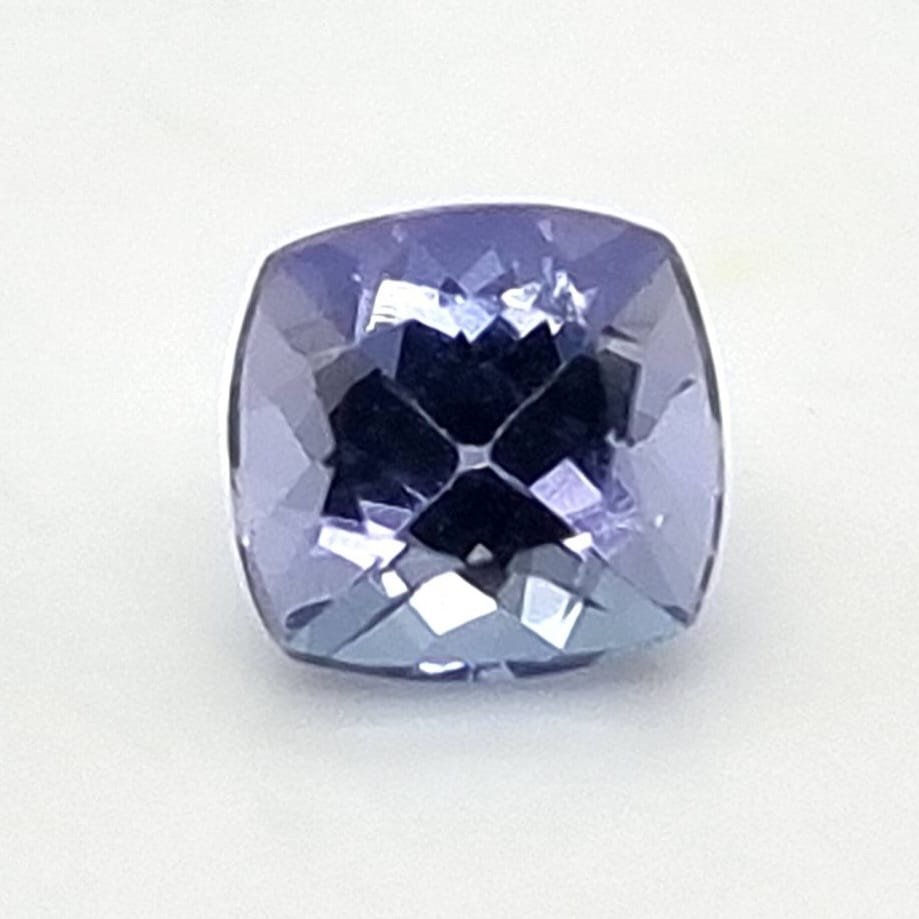
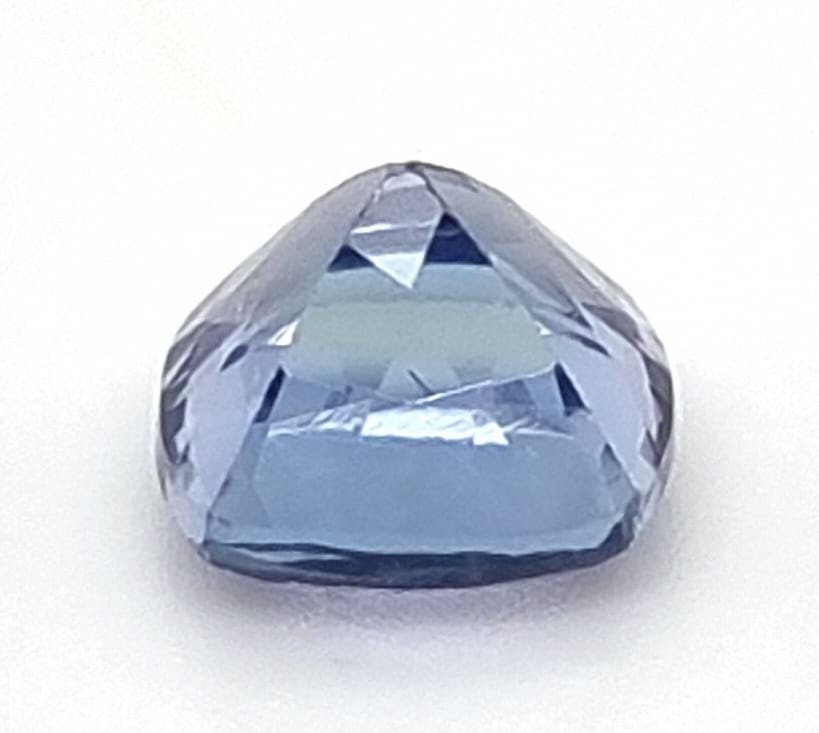
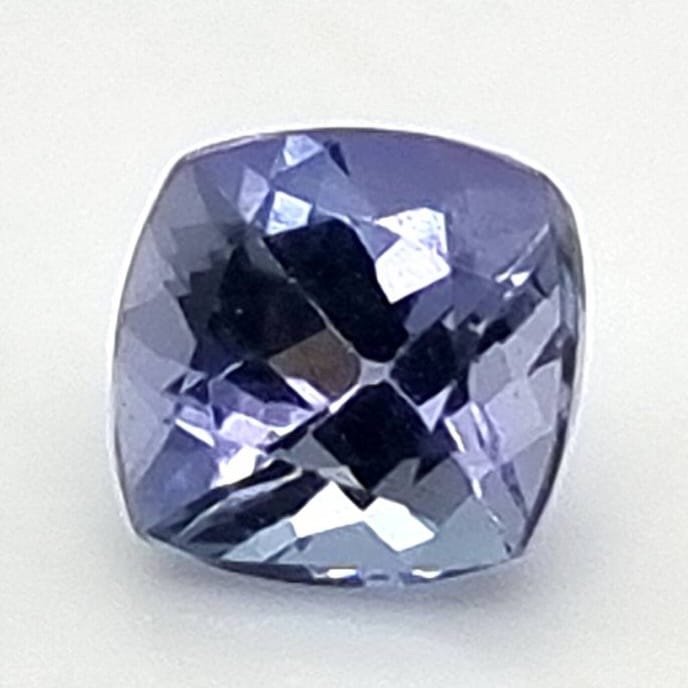
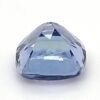
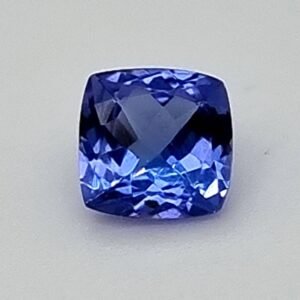
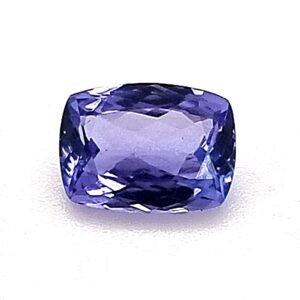
Found in only one place on Earth — the foothills of Mount Kilimanjaro in Tanzania — tanzanite remains among the most geologically singular gemstones available to collectors today. This 1.08-carat specimen exhibits the variety’s signature trichroism, shifting between violet, blue, and burgundy depending on the angle and quality of light. At this weight, the stone sits in a particularly desirable range where colour saturation deepens noticeably, making it a considered choice for both fine jewellery and a long-term collection.
Frequently Asked Questions
What gives tanzanite its distinctive colour, and what is trichroism?
Tanzanite belongs to the zoisite mineral family and owes its colour to trace amounts of vanadium within its crystal structure. As a trichroic gemstone, it transmits three distinct colours — typically blue, violet, and a reddish-burgundy — along its three optical axes, meaning the hue you perceive shifts meaningfully depending on viewing angle and light source. This optical complexity is a defining characteristic that separates tanzanite from superficially similar stones such as sapphire or iolite.
How does carat weight affect colour saturation in tanzanite?
In tanzanite, colour saturation intensifies with increasing mass, as greater depth of material allows more light interaction within the crystal. Stones below one carat can appear lighter or more lavender in tone, while specimens at and above one carat — such as this 1.08-carat example — tend to display a richer, more saturated blue-violet. This relationship between size and colour makes the one-carat threshold a meaningful benchmark for collectors seeking depth of hue.
How should tanzanite be cared for to preserve its condition over time?
Tanzanite registers between 6 and 7 on the Mohs hardness scale and has distinct cleavage in one direction, making it more susceptible to mechanical damage than harder gemstones like sapphire or ruby. It should be protected from hard knocks, avoided in ultrasonic and steam cleaners, and stored separately from harder stones to prevent surface abrasion. Gentle cleaning with a soft cloth and mild soapy water is the recommended method for maintaining its polish and optical clarity.
What certification should accompany a tanzanite, and does it hold investment value?
Reputable certifications from internationally recognised laboratories — such as GIA, Gübelin, or the American Gem Trade Association — provide objective grading of colour, clarity, cut, and carat weight, and are important for verifiable provenance. Tanzanite’s single-source supply from the Merelani Hills, combined with finite mining reserves and increasing global demand, has contributed to sustained price appreciation over the past two decades. Collectors acquiring well-documented, high-saturation specimens in the one-carat-and-above range are generally regarded as making a considered long-term acquisition.











Reviews
There are no reviews yet.