Description
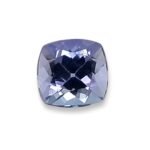
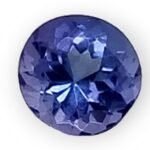
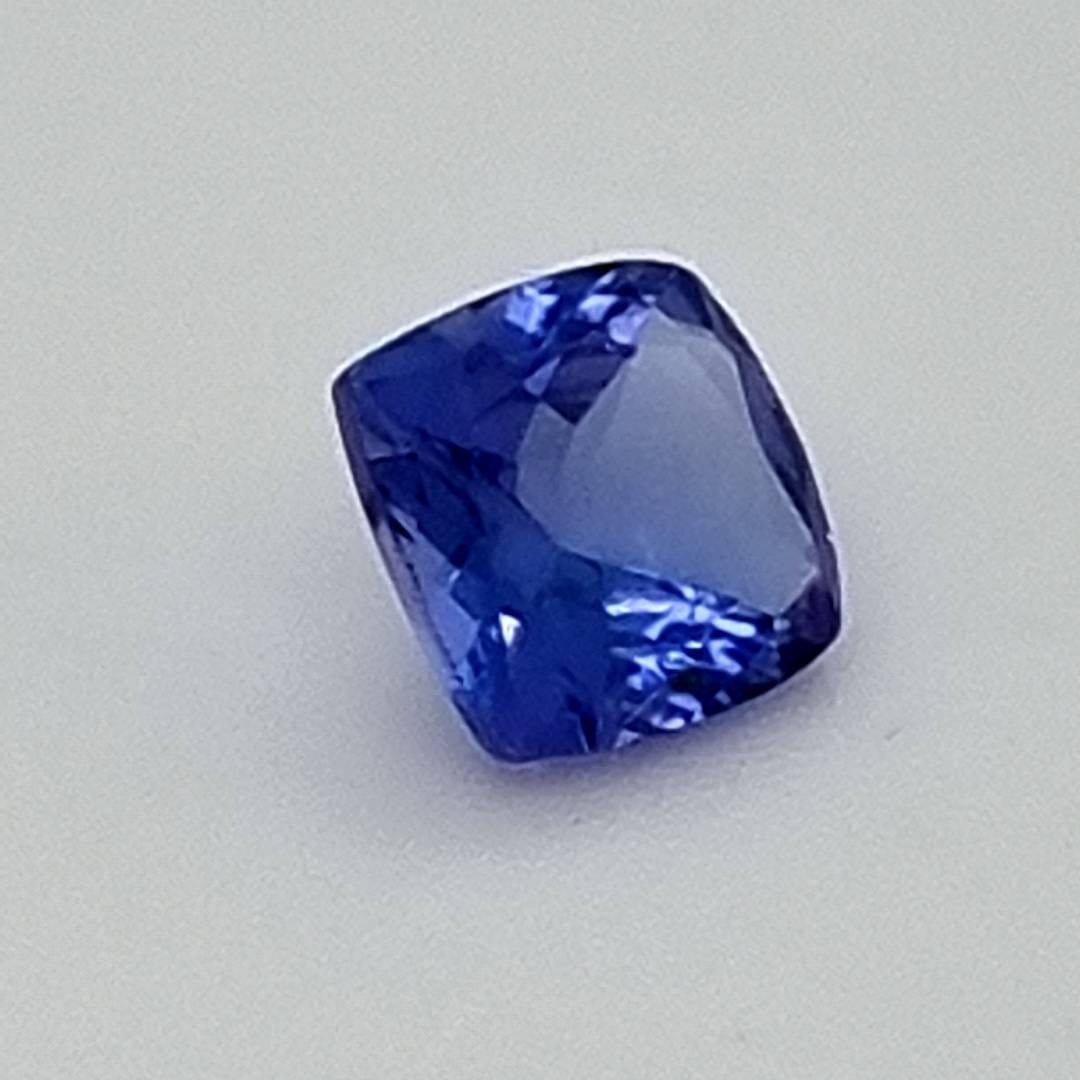
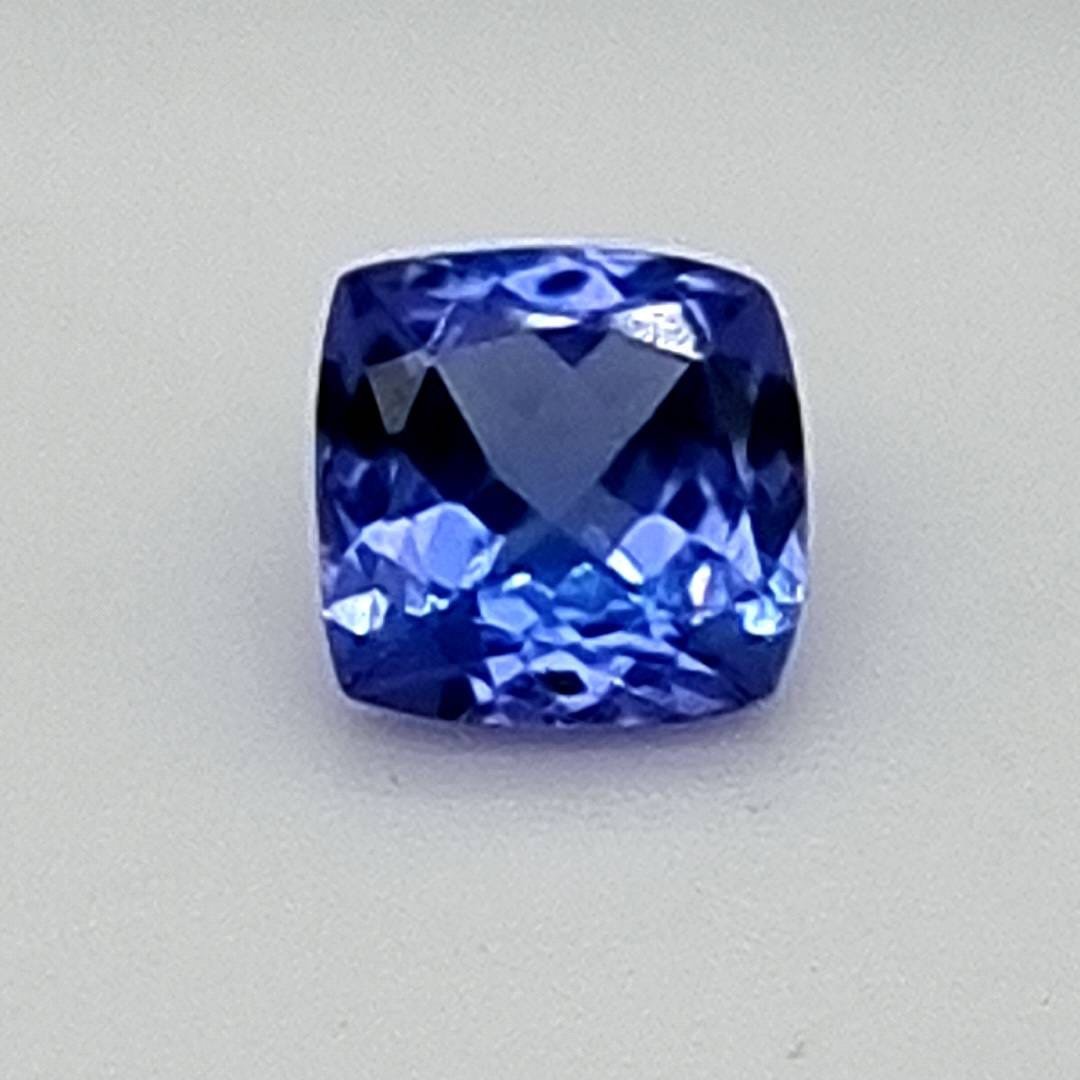
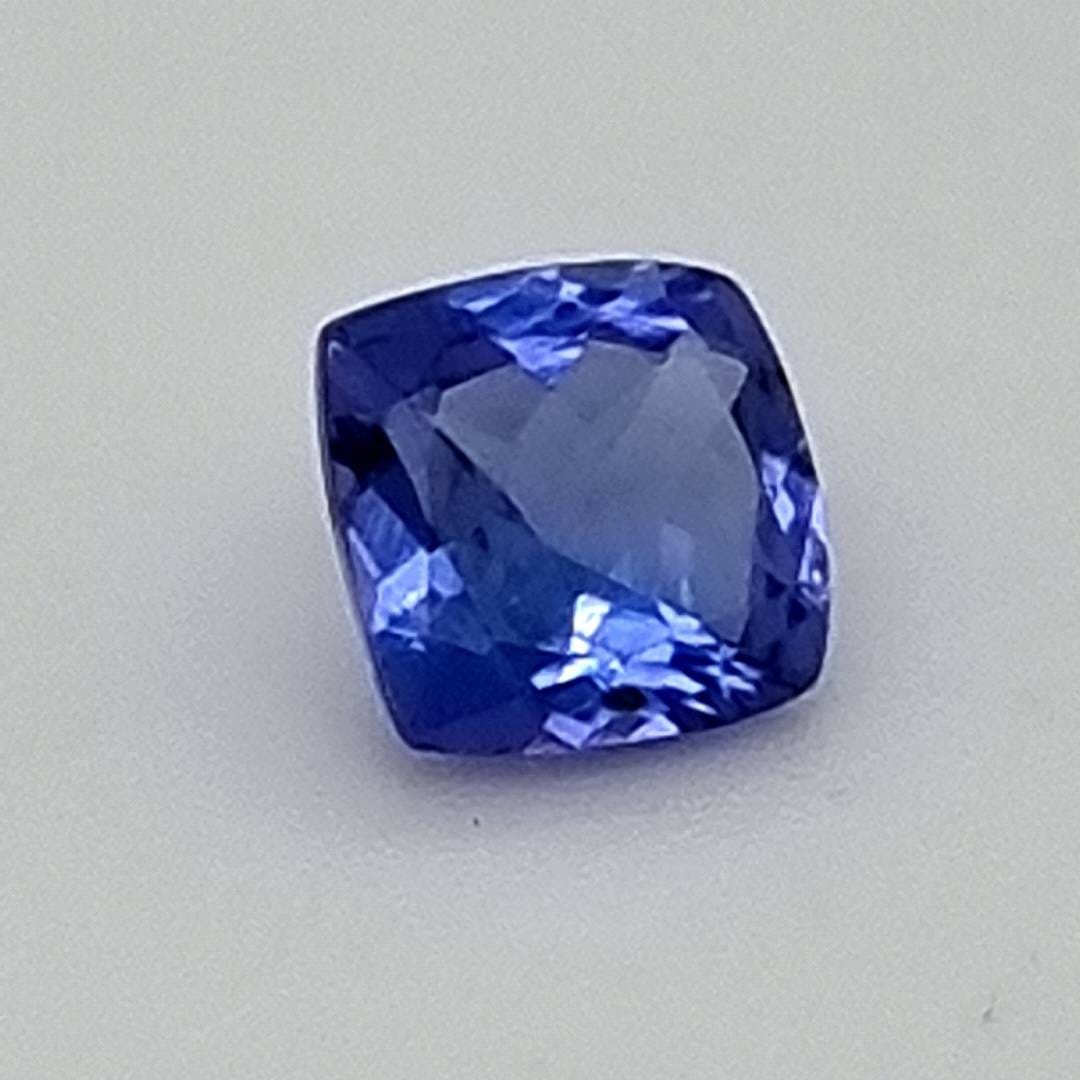
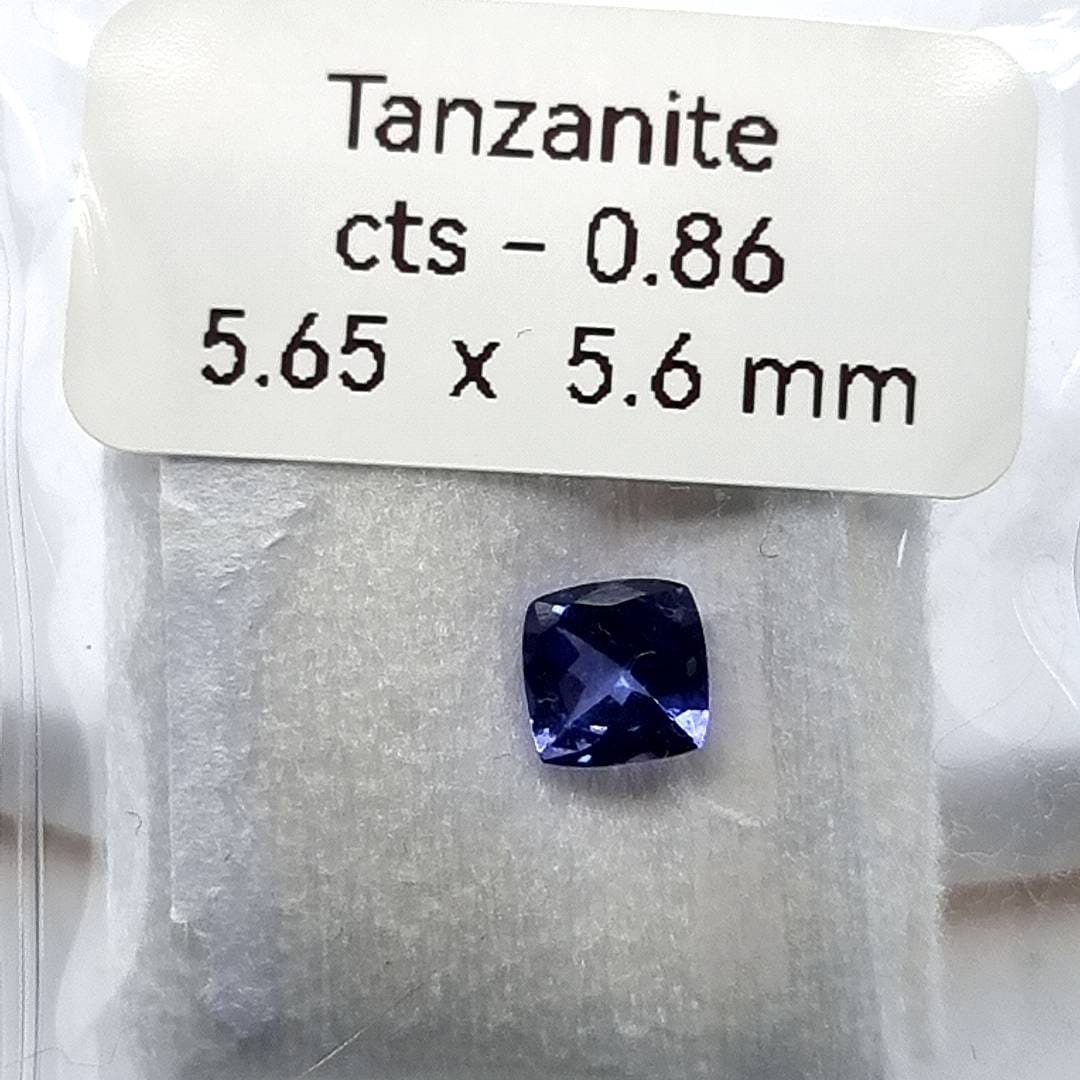
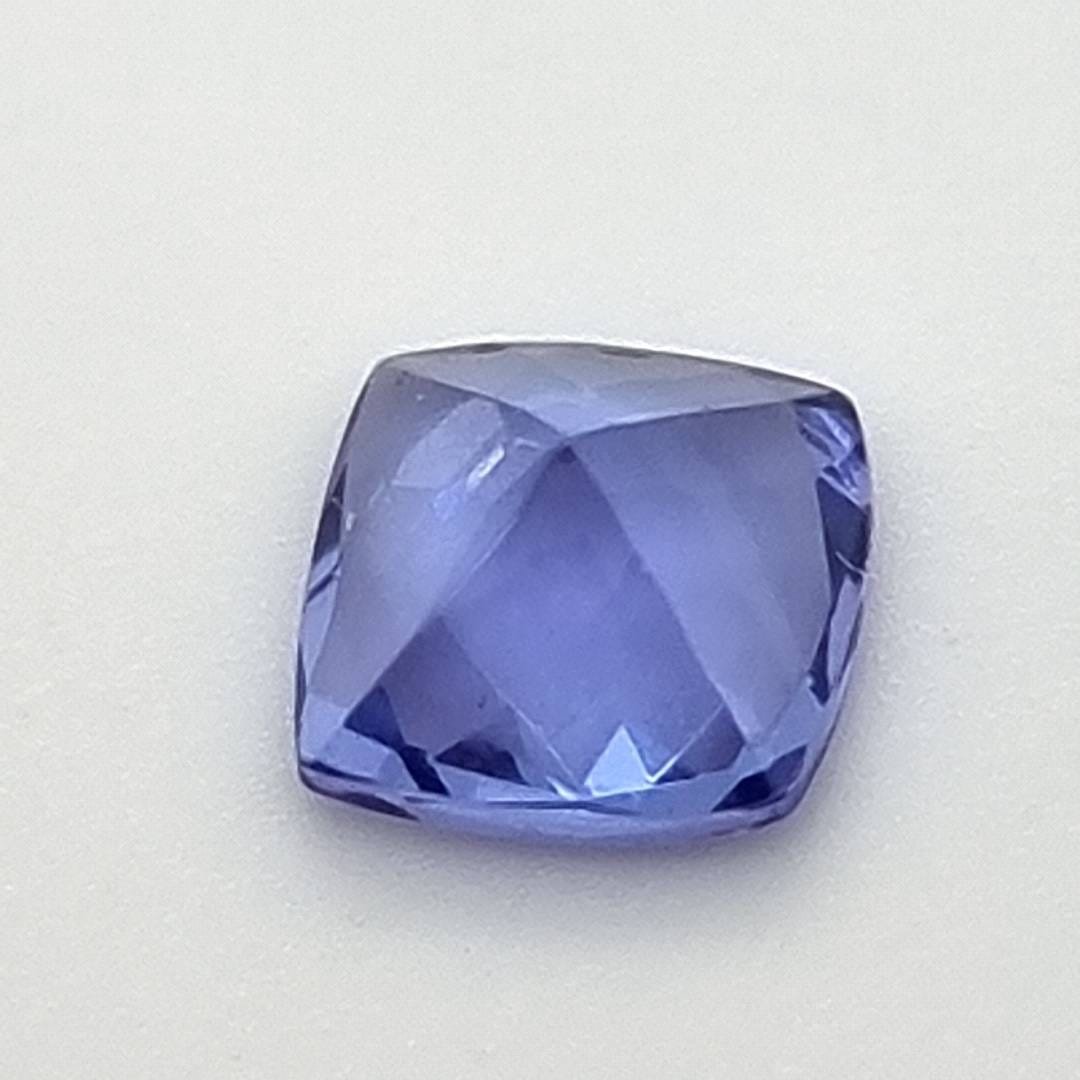
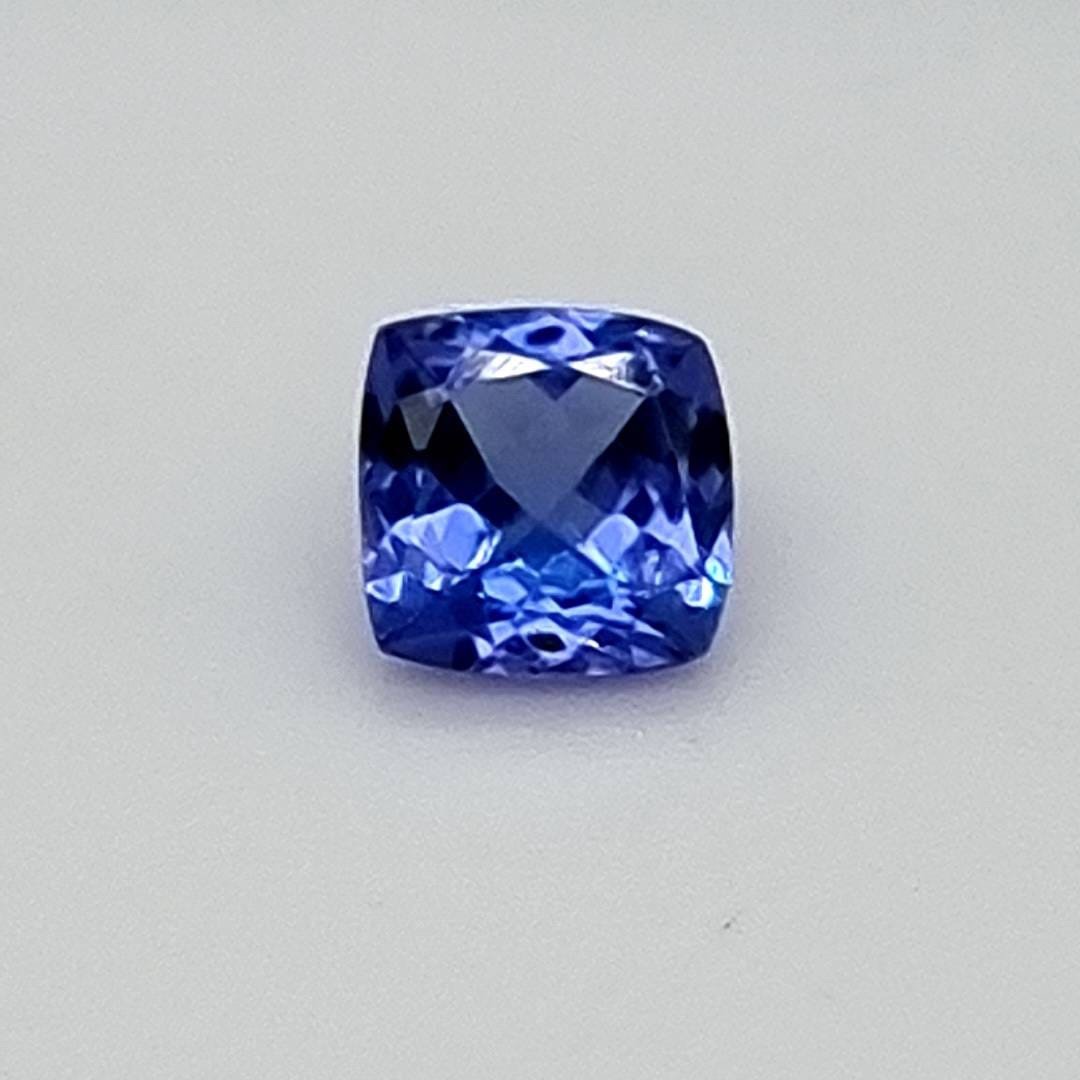
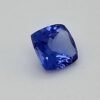
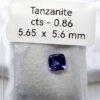
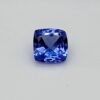
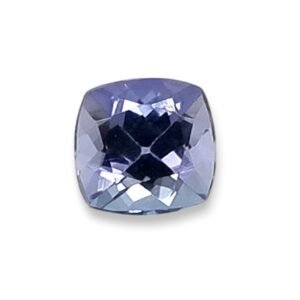
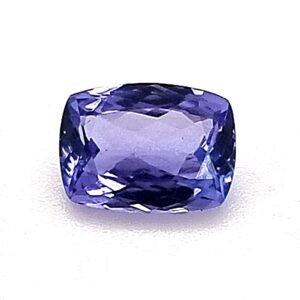
Found in only one place on earth — the foothills of Mount Kilimanjaro in northern Tanzania — tanzanite remains among the most geologically improbable gemstones a collector can acquire, estimated to be a thousand times rarer than diamond. This 0.86-carat specimen exhibits the variety’s characteristic trichroic behaviour, shifting between velvety blue-violet and deep indigo depending on the angle of light and the quality of illumination. At under a carat, it occupies an ideal sweet spot for fine jewellery settings, where its colour saturation is dense enough to command presence without the price premium of larger collector grades.
Frequently Asked Questions
What gives tanzanite its distinctive blue-violet colour?
Tanzanite’s colour originates from trace amounts of vanadium within the zoisite crystal structure, activated and intensified through natural or controlled heat treatment — a process that is standard, accepted, and permanent across the trade. The resulting hue sits in a narrow spectrum between blue and violet, with the most prized stones displaying a dominant blue with a secondary violet flash. This 0.86-carat piece falls within that desirable colour window, making it well-suited for both set pieces and appraisal-backed collection.
What is trichroism, and how does it affect this stone?
Trichroism is an optical property in which a gemstone transmits three distinct colours along its three crystallographic axes — in tanzanite’s case, blue, violet, and a burgundy-bronze. Cutters deliberately orient the stone so that the most commercially desirable blue-violet face is presented through the table, essentially ‘editing’ the colour the eye perceives. This means the final appearance of any tanzanite is partly a testament to the lapidary’s skill, and understanding this property helps collectors evaluate cut quality beyond mere proportions.
How should tanzanite be cared for to preserve its condition?
Tanzanite rates 6 to 7 on the Mohs hardness scale, which places it in the category of gemstones that reward cautious handling — it is best reserved for earrings, pendants, or protected ring settings rather than high-contact daily wear. Ultrasonic and steam cleaners should be avoided entirely, as thermal shock and mechanical vibration can induce fractures in existing inclusions or along cleavage planes. Cleaning with a soft cloth, mild soap, and lukewarm water is the recommended standard, with separate storage in a padded pouch to prevent surface abrasion from harder stones.
Does tanzanite carry long-term investment merit, and what certifications matter?
Tanzanite’s single-source geology — confined to a mining area estimated at just a few square kilometres — has long underpinned the investment argument: once the deposit is exhausted, no new supply enters the market. Fine-colour stones above one carat have historically commanded stronger resale premiums, though well-cut sub-carat specimens with saturated hue remain liquid in the secondary market. For acquisition confidence, reports from recognised laboratories such as the Gübelin Gem Lab or American Gemological Laboratories (AGL) provide colour grading, treatment disclosure, and origin confirmation — documentation that meaningfully supports long-term valuation.









Reviews
There are no reviews yet.