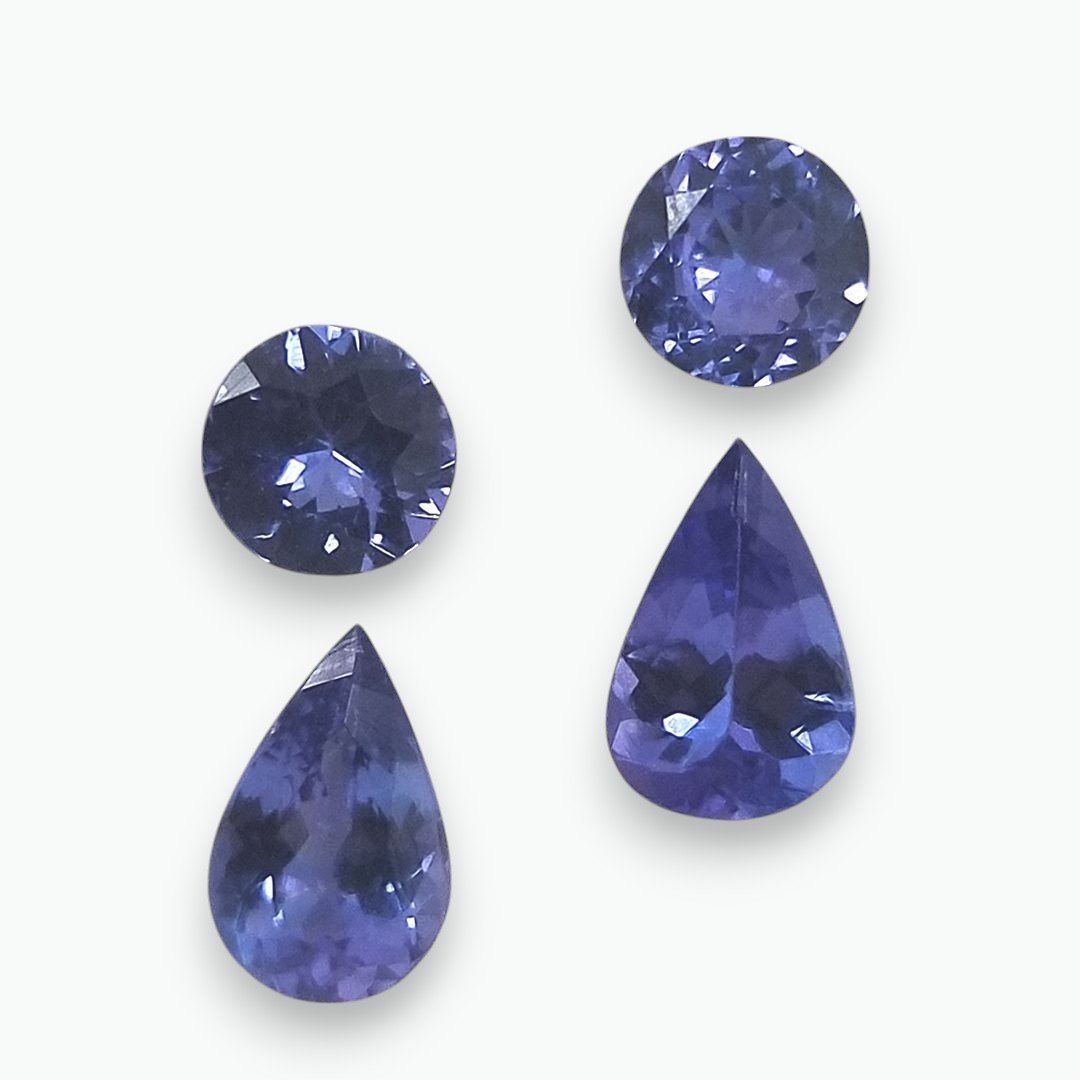
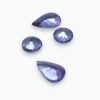

Description
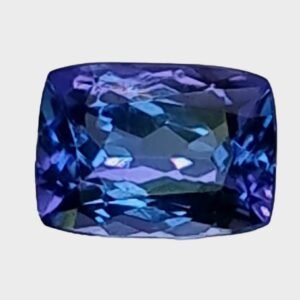
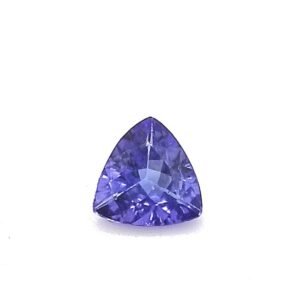
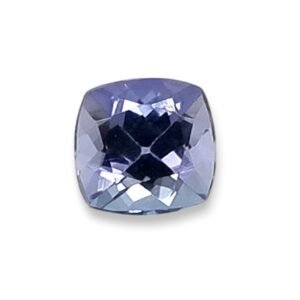
Tanzanite occupies a singular position in the collector’s lexicon — a gemstone found in a single, geologically finite deposit at the foot of Mount Kilimanjaro, making every specimen a document of geological rarity. This blue variety carries the characteristic trichroic nature of the species, shifting subtly between violet and indigo depending on the angle of light and the warmth of its source. At this accessible price point, it offers a considered entry into a stone whose long-term availability is genuinely limited by the earth itself.
| Name | Tanzanite |
|---|
| color | Blue |
|---|
| Price | Less than $500 |
|---|
Frequently Asked Questions
What gives tanzanite its distinctive blue-violet colour?
Tanzanite’s colour originates from trace amounts of vanadium within a calcium aluminium silicate mineral known as zoisite. The blue-violet hue is almost always the result of heat treatment — either natural geothermal activity or controlled laboratory heating — which shifts the stone’s absorption spectrum toward the desirable blue and violet wavelengths. Untreated tanzanite in a pure blue tone is exceptionally rare and commands a significant premium among advanced collectors.
What is trichroism, and how does it appear in tanzanite?
Trichroism is an optical property in which a gemstone displays three distinct colours when viewed along its three crystallographic axes — in tanzanite’s case, typically blue, violet, and a warm bronze or burgundy. The final colour balance seen in a finished stone is largely determined by how the cutter orients the gem relative to these axes. Stones cut to emphasise the blue axis are generally the most sought after, though violet-dominant specimens have their own devoted following.
How should tanzanite be cared for at home?
Tanzanite registers between 6.5 and 7 on the Mohs hardness scale, making it softer than sapphire or ruby and therefore more susceptible to surface abrasion over time. It should be cleaned gently with lukewarm water and a mild soap using a soft brush, and stored separately from harder stones to prevent contact scratching. Ultrasonic and steam cleaners are best avoided, as thermal shock and mechanical vibration can cause fracturing in stones with existing inclusions.
Does tanzanite hold investment value, and what certifications should a buyer look for?
Because the Merelani Hills deposit in Tanzania is considered finite and mining yields have declined over recent decades, tanzanite is widely regarded as a stone with genuine scarcity-driven appreciation potential, particularly in higher grades. For stones of meaningful value, a laboratory report from a recognised gemmological body such as the GIA, GRS, or Gübelin provides independent verification of colour grade, clarity, treatment status, and carat weight. Buyers entering the market at lower price points should still request a seller’s treatment disclosure at minimum, as heat treatment is standard and acceptable industry practice when properly declared.
Reviews
There are no reviews yet.