Description
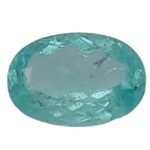
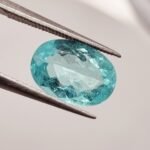
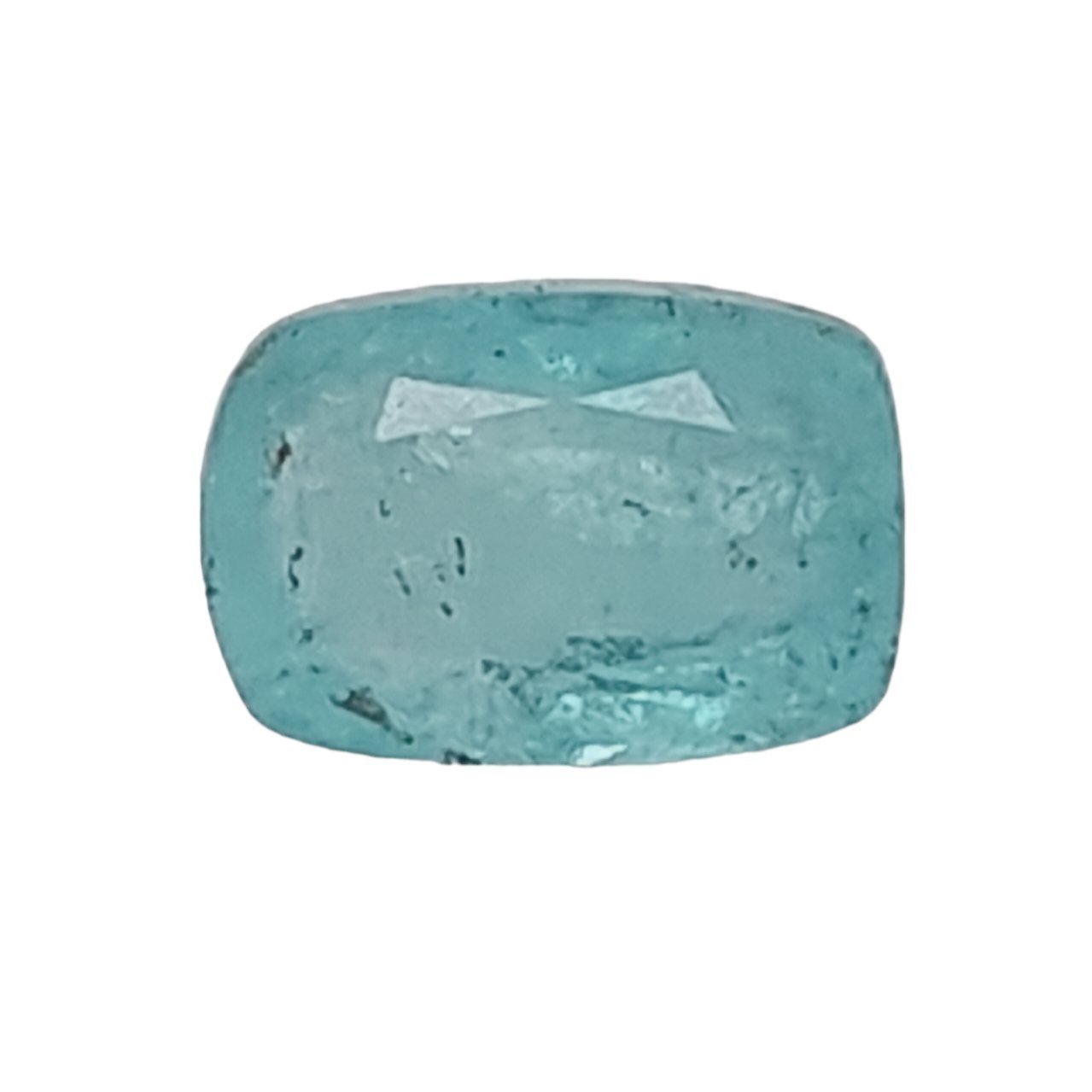
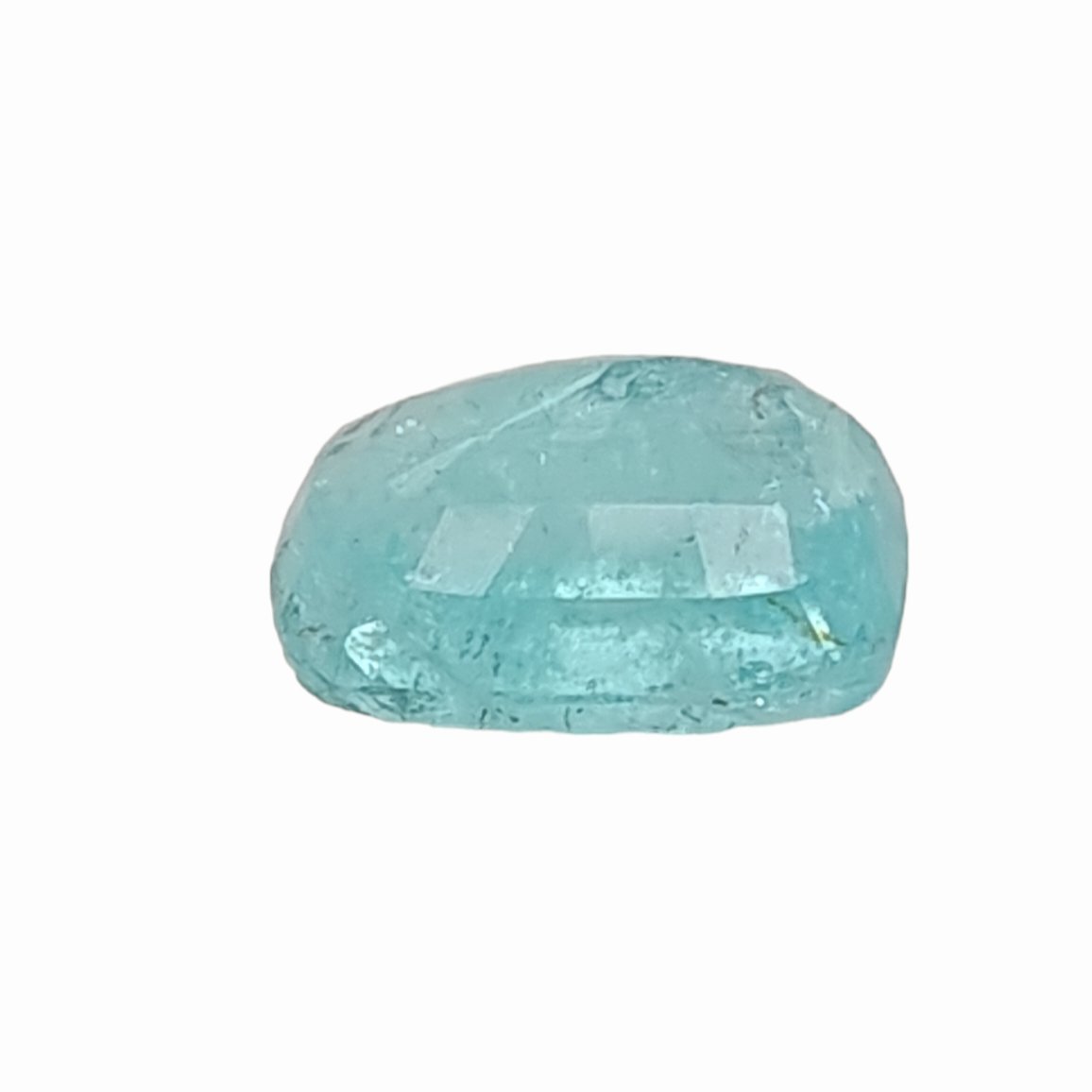
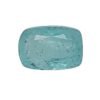
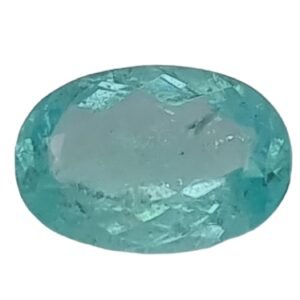
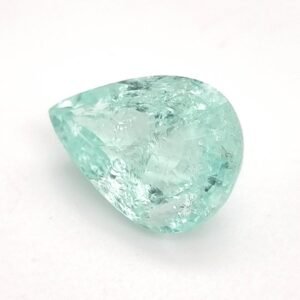
Among the rarest discoveries in the mineral world, Paraiba tourmaline occupies a category entirely its own — defined not merely by colour, but by an internal luminosity that seems to generate light rather than reflect it. This 1.74 carat specimen carries the characteristic copper-bearing neon saturation that has made Brazilian Paraíba material the subject of serious collector attention for decades. At this weight, the stone sits in a range where fine clarity and vivid tone intersect with genuine scarcity.
Frequently Asked Questions
What gives Paraiba tourmaline its distinctive neon colour?
Unlike most coloured gemstones whose hues derive from iron or chromium, Paraiba tourmaline owes its electric blue-green saturation to trace amounts of copper and manganese within the elbaite tourmaline structure. Copper produces the vivid cyan and turquoise tones, while manganese introduces violet and purple modifiers depending on its concentration. This copper-bearing composition is unique among tourmalines and is the definitive marker of genuine Paraiba material.
How is the value of a Paraiba tourmaline assessed beyond carat weight?
Colour saturation and hue purity are the dominant value drivers — stones exhibiting a pure neon blue to blue-green with high tone and vivid chroma command the strongest premiums per carat. Clarity plays a meaningful role as well, since eye-clean specimens above one carat are genuinely uncommon given the nature of the host pegmatite deposits. Provenance, particularly confirmed Brazilian origin from the original Batalha or São José da Batalha mines, further elevates desirability among advanced collectors.
Does origin — Brazil versus Mozambique or Nigeria — affect a Paraiba’s standing?
Gemmologically, all three origins can produce copper-bearing tourmaline, and major laboratories such as GIA and Gübelin recognise the Paraiba classification across all localities provided copper content is confirmed. That said, the collector market continues to assign a meaningful premium to Brazilian-origin stones, particularly those traceable to the original Paraíba state deposits, due to their historical significance and the extreme depletion of those sources. Nigerian and Mozambican material, while beautiful, trades at a discount to comparable Brazilian stones of equivalent saturation.
What care considerations apply to a Paraiba tourmaline in jewellery?
Tourmaline registers 7 to 7.5 on the Mohs scale, making it suitable for most jewellery applications with appropriate setting protection — bezel or partial bezel settings are advisable for rings worn daily. Paraiba tourmalines should be cleaned with mild soap and lukewarm water using a soft brush, as ultrasonic and steam cleaners carry risk depending on the stone’s clarity characteristics and any fracture-filling that may be present. Prolonged direct sunlight exposure is best avoided, as with many copper-bearing minerals, though well-cut specimens are generally stable under normal wearing conditions.




Reviews
There are no reviews yet.