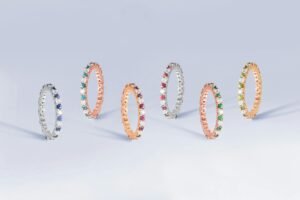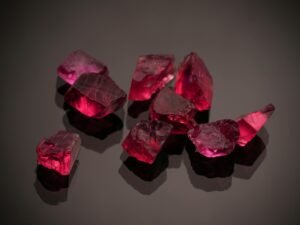
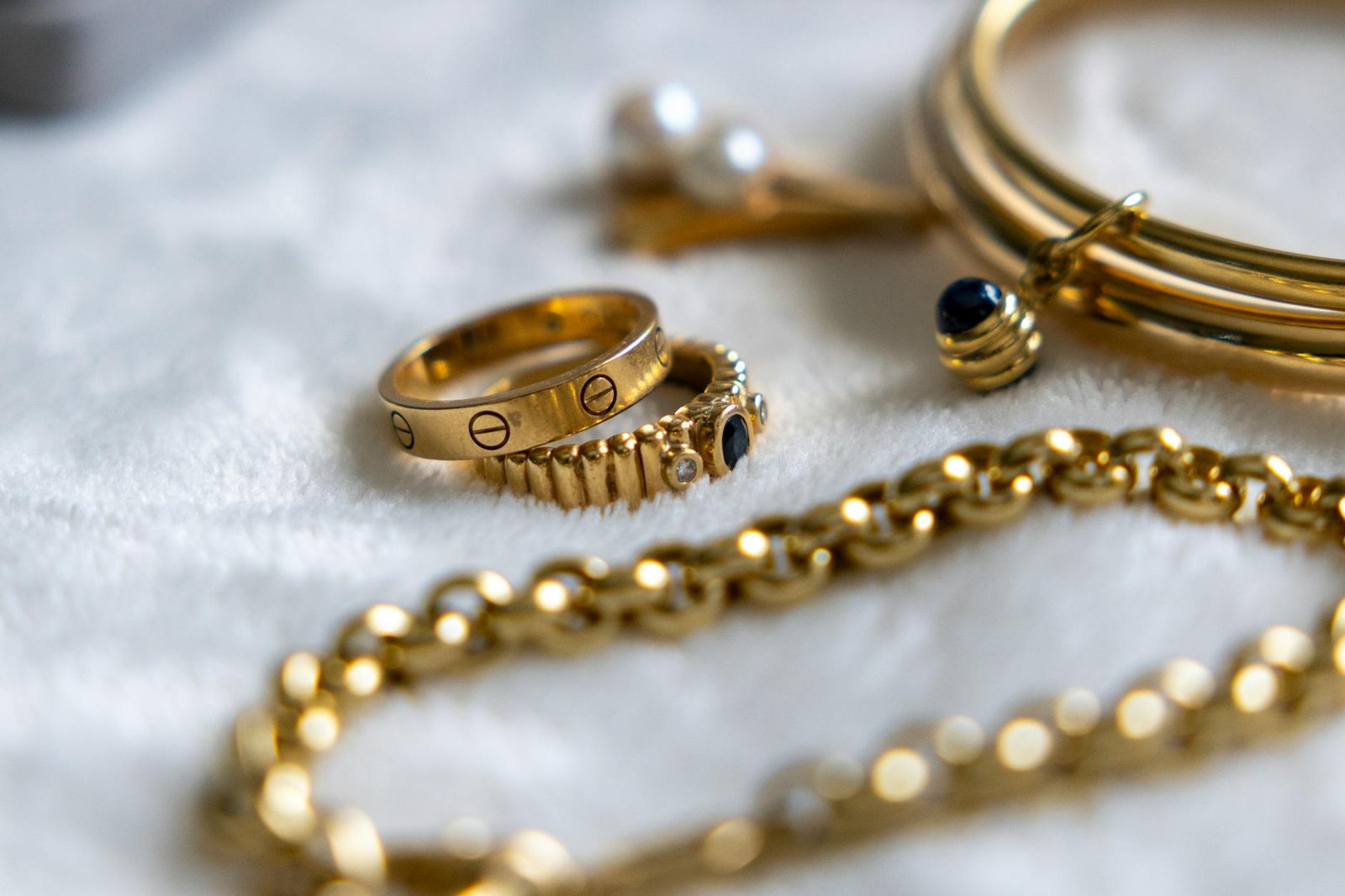
Something has shifted quietly but unmistakably across the global gemstone market. Buyers who once defaulted to diamonds are now requesting alexandrite from East Africa, asking pointed questions about diaspore from Turkey, and commissioning coloured gemstone engagement rings in Singapore with a specificity that would have surprised most jewellers five years ago. The appetite for chromatic depth — for stones that carry their own identity rather than simply reflecting light — is not a passing season trend. It is a structural change in how discerning collectors relate to jewellery.
Understanding which stones are gaining momentum, and why, requires more than tracking runway palettes. It demands a close reading of auction results, treatment disclosures, origin premiums, and the collector psychology that drives five- and six-figure purchases. This article moves beyond surface-level style commentary to map the coloured gemstone jewellery trends that are genuinely reshaping the market — stone by stone, category by category — for 2025 and into 2026.
- Colour-changing gemstones — particularly alexandrite and colour-change garnet — are among the fastest-rising collector categories, driven by rarity and cross-lighting drama.
- Spinel has crossed from specialist curiosity to mainstream luxury, with Burmese red and cobalt blue specimens commanding prices that rival ruby and sapphire of equivalent weight.
- Padparadscha sapphire and unheated sapphires from Ceylon retain the strongest price premiums of any sapphire sub-category among investment gemstone buyers.
- Jewellery colour trends heading into 2026 favour saturated, deeply chromatic stones — teal, electric violet, imperial green — over the pale pastels that dominated the early 2020s.
- Singapore’s sophisticated buyer base is increasingly requesting GIA and Gübelin laboratory certification as a baseline, not a luxury add-on, before committing to rare coloured gemstone purchases.
The Stones Gaining Serious Market Ground Right Now
Spinel’s rehabilitation is one of the more remarkable market stories of the last decade. Long dismissed as a ruby impostor — the “Black Prince’s Ruby” in the British Imperial State Crown is, famously, a spinel — it has found its own fierce partisanship among collectors who prize its untreated status and range of saturated colour. Burmese red spinel from Mogok now trades at premiums that narrow the gap with equivalently graded ruby. Cobalt blue spinel from Vietnam and Tanzania, producing an electric, almost neon saturation, has become one of the most discussed natural gemstones across collector forums globally.
Tourmaline, long appreciated in specialist circles, is experiencing its broadest commercial moment. Copper-bearing Paraíba tourmaline — with its signature neon blue-green — remains the headline act, but the category has broadened. Lagoon-coloured indicolite, deeply saturated chrome tourmaline from Kenya, and vivid bi-colour specimens are all drawing new collector attention. The combination of relative availability at entry price points and extraordinary colour range makes tourmaline uniquely well placed for coloured gemstone jewellery trends aimed at buyers who want maximum visual impact at sub-Paraíba budgets.
Tsavorite garnet deserves particular mention. Mined almost exclusively in the border region of Kenya and Tanzania, tsavorite offers chrome-driven green of remarkable intensity in a natural gemstone that remains almost universally untreated. As Colombian emerald prices have climbed and treatment questions become more complex, tsavorite presents a clean, compelling alternative — especially for buyers who want green without the disclosure conversations.
One of the clearest signals of a stone’s rising collector status is when it begins appearing as the centrepiece of coloured gemstone engagement rings rather than as accent stones. Spinel, tsavorite, and padparadscha sapphire have all made this transition in recent years. When buyers trust a stone enough to anchor a ring they intend to wear daily for decades, that is genuine market conviction — not seasonal styling.
Colour-Changing Gemstones — The Collector Obsession Explained
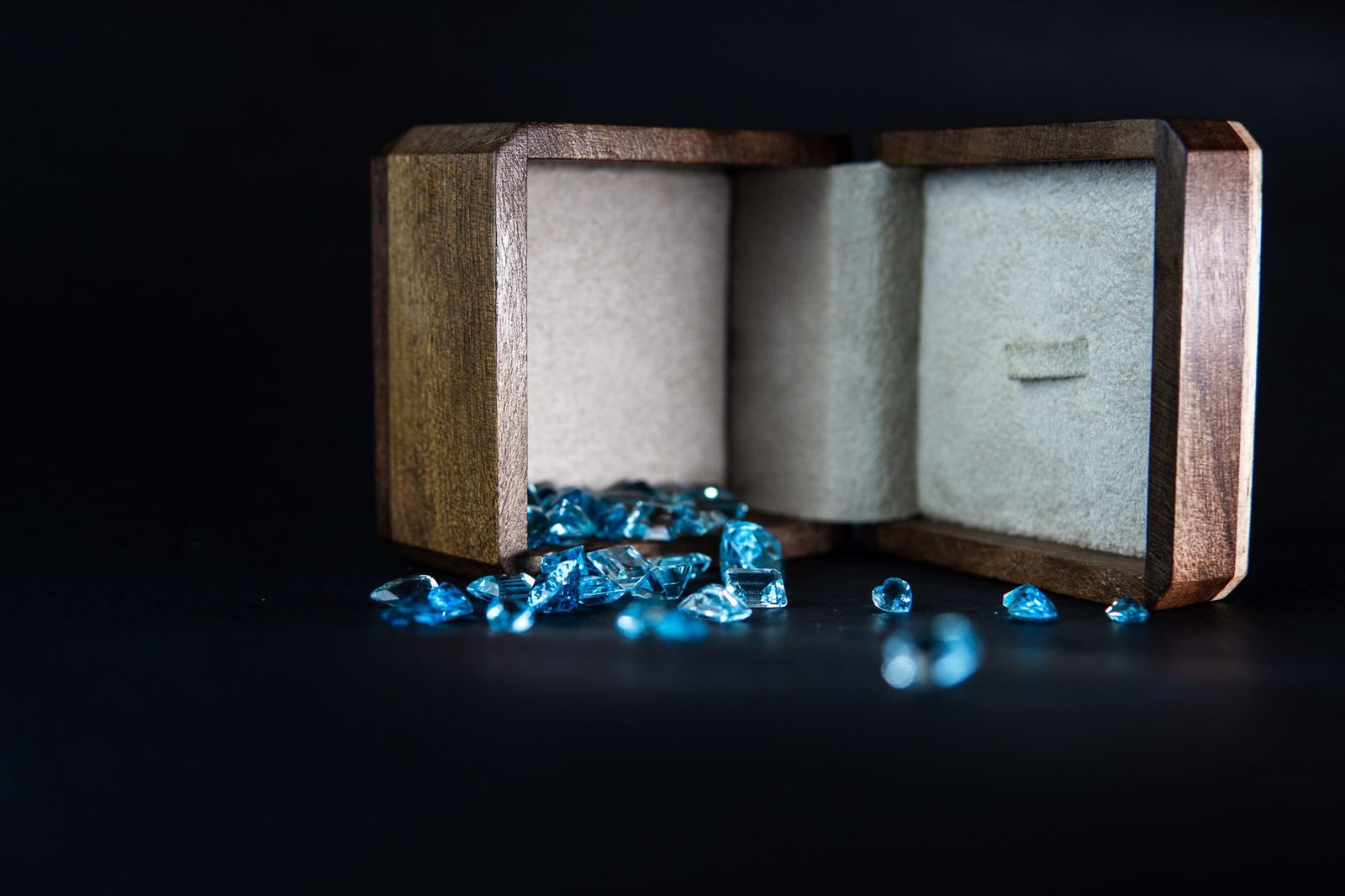
No category generates more first-time buyer curiosity or more repeat collector investment than colour changing gemstones jewellery. The appeal is straightforward: a stone that performs differently under incandescent and daylight is, in effect, two stones for the price of one. But the market reality is considerably more nuanced than that summary suggests.
Alexandrite remains the undisputed leader of the category. Fine alexandrite — showing a strong, clean colour change from green to red across lighting conditions — is among the rarest natural gemstones on earth, with meaningful quantities coming only from a handful of sources including the original Ural deposits (now largely exhausted), Brazil, and East Africa. For buyers asking where to buy alexandrite in Singapore, the answer hinges almost entirely on source verification and laboratory certification. Synthetic and simulant alexandrite is abundant; the real material at meaningful size and colour change quality is genuinely scarce.
Colour-change garnet is the category’s best-kept secret. Stones shifting from bluish-green in daylight to reddish-purple under incandescent light — sourced primarily from Tanzania and Madagascar — offer dramatic optical performance at a fraction of fine alexandrite’s price point. Diaspore from Turkey, sold commercially as zultanite, rounds out the collector shortlist with a champagne-to-pink-to-green shift that reads beautifully in jewellery settings. For anyone researching the best coloured gemstones for jewellery 2025, colour-change garnets represent exceptional value relative to their visual drama.
“A colour-changing gemstone is not a novelty — it is a conversation between the stone and its environment. That dialogue never ends. Every lighting condition reveals something new, which is why serious collectors rarely own just one.”
Investment-Grade Stones — What Collectors Are Actually Buying
The question of investment gemstones to buy rewards careful, category-specific analysis rather than broad market optimism. Not all coloured gemstones hold value equally, and the factors that drive auction premiums are precise: origin, treatment status, laboratory report, and — increasingly — chain of custody documentation.
Unheated sapphires from Sri Lanka (Ceylon sapphire) and Kashmir continue to command the strongest premiums per carat in the sapphire category. The logic is clear. Heat treatment, while accepted industry practice, is essentially ubiquitous — estimates suggest over 95 percent of commercial sapphires are heated. An unheated stone of equivalent colour and clarity is therefore vanishingly rare, and that rarity is certified and defensible. For Singapore buyers treating gemstones as assets, unheated origin stones with Gübelin or GRS reports represent the strongest long-term holding.
Ruby from Mozambique’s Montepuez region has introduced a new credible source into a category long dominated by Burmese origin stones. Mozambique rubies show strong fluorescence and vivid red saturation — they are increasingly accepted by major auction houses as legitimate luxury category stones, and their relative supply (compared to Burmese material) has kept entry price points accessible even as quality climbs. This makes Mozambique ruby one of the more interesting buy gemstone online prospects for collectors building a position gradually.
Emerald collecting continues to reward provenance knowledge. Colombian origin — specifically Muzo, Chivor, and Coscuez — remains the benchmark for intensity of colour and collector desirability. But Zambian emeralds, with their darker tone and exceptional clarity relative to Colombian material, have carved a genuine premium niche. As our top gemstone jewellery trends pillar explores in broader context, emerald is experiencing renewed interest from younger luxury buyers who want colour with historical depth and storytelling potential.
| Gemstone | Collector Tier | Key Value Driver | Treatment Concern | 2025 Market Momentum |
|---|---|---|---|---|
| Alexandrite | Trophy / Investment | Strong colour change, origin | Synthetic abundance | Very High ↑↑ |
| Unheated Ceylon Sapphire | Investment | No-heat cert, origin premium | Heat treatment universal | High ↑↑ |
| Burmese / Mozambique Ruby | Investment / Collector | Fluorescence, saturation | Glass filling (low grade) | High ↑ |
| Cobalt Spinel | Emerging Collector | Untreated status, saturation | Minimal — mostly clean | Very High ↑↑ |
| Paraíba Tourmaline | Trophy | Copper content, neon effect | Heating (accepted) | Stable / Strong ↑ |
| Tsavorite Garnet | Emerging Collector | No treatment standard | Virtually none | Rising ↑↑ |
| Padparadscha Sapphire | Collector / Investment | Colour rarity, definition debate | Beryllium treatment risk | High ↑ |
| Colour-Change Garnet | Emerging Collector | Optical drama at value price | Minimal | Very High ↑↑ |
Reading the Colour Palette — What 2026 Is Already Signalling
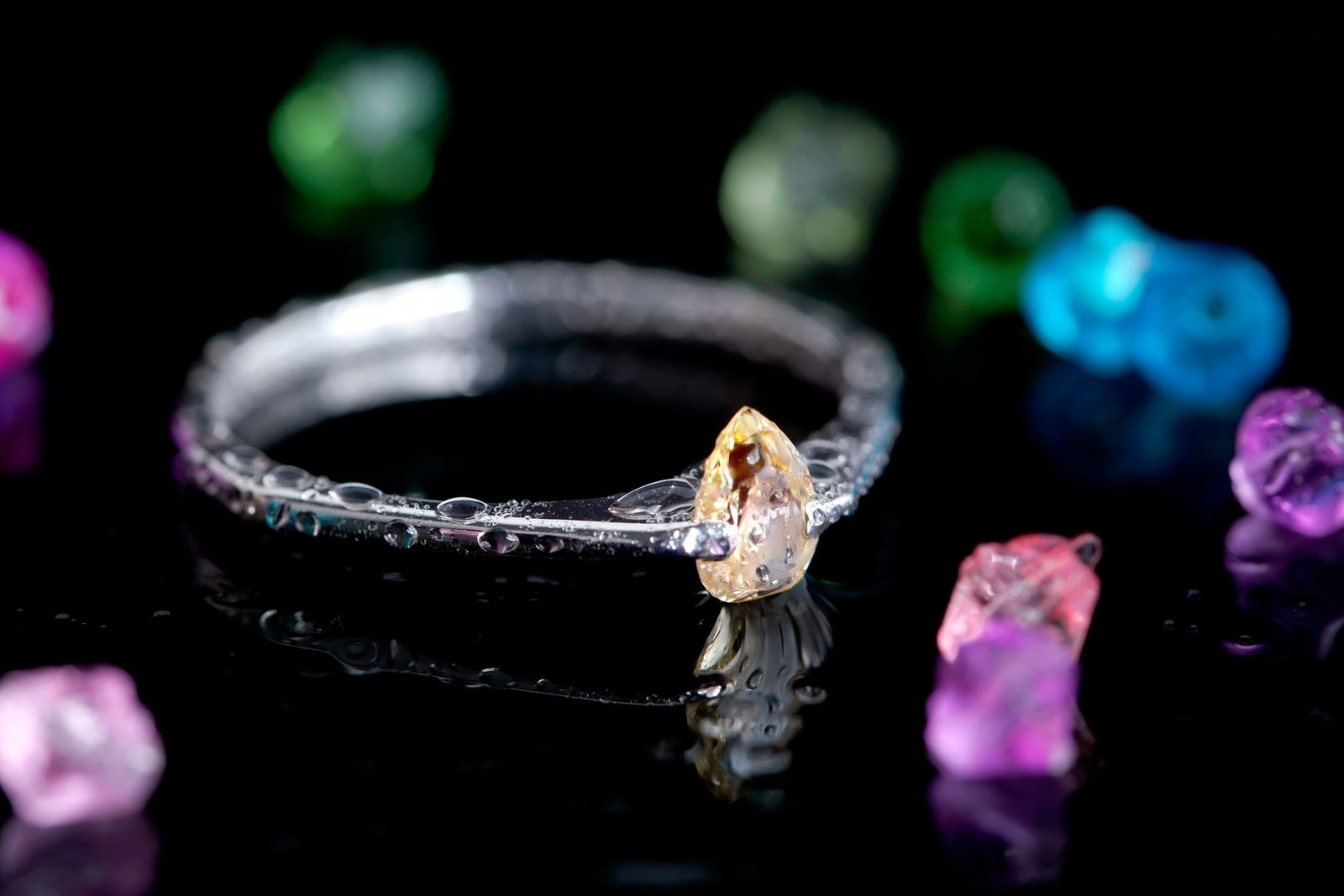
Jewellery colour trends heading into 2026 show a decisive move toward saturation and specificity. The pale aquamarine and soft morganite aesthetic that defined much of the early 2020s luxury jewellery aesthetic is giving way to something bolder and more opinionated. Deep teal — straddling blue and green in the manner of fine indicolite tourmaline or green-blue parti sapphire — is appearing consistently across independent jewellery designers, luxury auction previews, and high-end custom commissions.
Imperial purple — the colour of fine violet sapphire, top-quality tanzanite, or deeply saturated amethyst at its finest — is seeing renewed luxury interest. Colour field painting as a reference point has influenced a generation of jewellery designers who think about stones as fields of pure chromatic energy rather than decorative accents. That sensibility rewards gemstones with exceptional colour consistency across their face — a quality standard that pushes buyers toward natural gemstone material with laboratory grading.
At Yala Gems, we have observed a parallel shift in how clients describe what they are searching for. The request is no longer simply “a coloured stone” — it is a specific hue, a specific saturation level, sometimes a specific geographic origin. That level of buyer sophistication is the clearest evidence that coloured gemstone jewellery trends have moved well beyond novelty into genuine connoisseurship.
Singapore’s coloured gemstone buyer has historically been among the most globally informed in Asia — a function of the city-state’s position as a trading hub and its population’s exposure to European and American luxury markets. What distinguishes the current moment is the depth of technical knowledge that buyers are arriving with. Questions about beryllium treatment in padparadscha, copper content in Paraíba, and the distinction between heated and unheated ruby are no longer unusual at a first consultation. If you want to speak with our gemologists before making any significant purchase decision, we genuinely encourage it — these conversations save both time and money. You can speak with our gemologists directly to discuss specific stones, certifications, or bespoke commission possibilities.
Buying Rare Coloured Gemstones in Singapore — What Serious Buyers Should Know
Rare coloured gemstones Singapore buyers are seeking are not always physically present in local inventory. The Singapore market has historically been strong in jade, blue sapphire, and ruby — but the broader spectrum of collector gemstones requires specialist sourcing. Alexandrite, colour-change garnet, fine spinel, and unheated padparadscha are all stones that demand direct relationships with cutters and miners, not simply retail stock selection.
Laboratory certification is non-negotiable for serious purchases. GIA, Gübelin, GRS (Gem Research Swisslab), and SSEF are the four laboratories whose reports carry consistent weight at international auction. Any seller of fine natural gemstone material in Singapore should be able to produce one of these reports — or explain clearly why a stone of a given value range has not been submitted. If that explanation is unsatisfactory, treat it as a signal to proceed carefully.
The buy gemstone online channel has matured considerably. Reputable platforms now publish high-resolution photography under standardised lighting, full laboratory report scans, and video performance under mixed lighting conditions. For colour-changing stones in particular, video under daylight and incandescent conditions is essential — still photography cannot adequately represent the stone’s character. Our Singapore boutique offers both in-person viewing sessions and detailed digital consultations for clients who wish to buy gemstone online with full confidence before any stone ships.
Custom coloured gemstone ring commissions are another category growing strongly. Clients are arriving with specific stones — sometimes acquired independently — and asking for bespoke settings that honour the gem’s character. If you are considering a luxury coloured gemstone ring commission, speak with our gemologists early in the process. Stone selection and setting design are most successful when they develop together rather than sequentially.
Frequently Asked Questions
Final Thoughts
The coloured gemstone market in 2025 is defined by two intersecting forces: rising buyer sophistication and genuinely constrained supply of the finest natural material. Stones that were considered niche collector items a decade ago — spinel, tsavorite, colour-change garnet, fine alexandrite — are now mainstream luxury propositions, supported by auction records, laboratory infrastructure, and a global community of informed buyers who share information in real time.
For Singapore buyers, this is both an opportunity and a responsibility. The opportunity lies in accessing extraordinary material through specialist channels before broader retail adoption pushes prices further. The responsibility lies in approaching every significant purchase with the rigour it deserves: certified, sourced, and understood. For the broader landscape of what is defining luxury gemstone jewellery right now — including how coloured stones are influencing setting styles, metal choices, and the conversation around sustainable sourcing — our top gemstone jewellery trends pillar provides the wider context this article is designed to deepen.
Colour, at this level of the market, is never arbitrary. Every hue carries a geological story, a geographic origin, and a rarity that cannot be replicated. That is precisely what makes it worth pursuing seriously.
Ready to Find Your Defining Stone?
Explore our curated knowledge on rare and luxury natural gemstones — written by the specialists at Yala Gems for serious collectors and first-time buyers alike.