Description
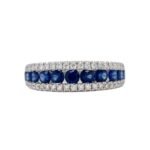
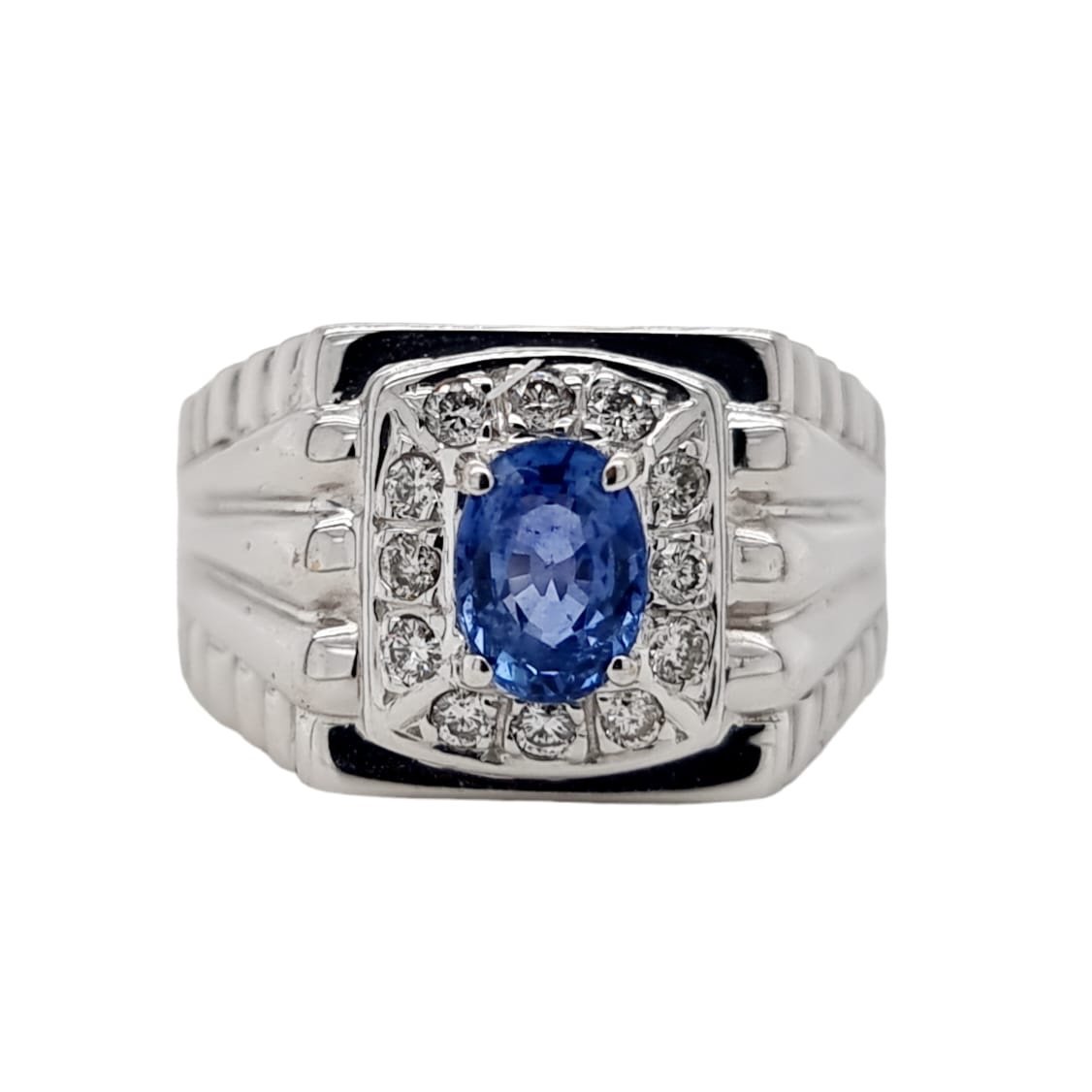
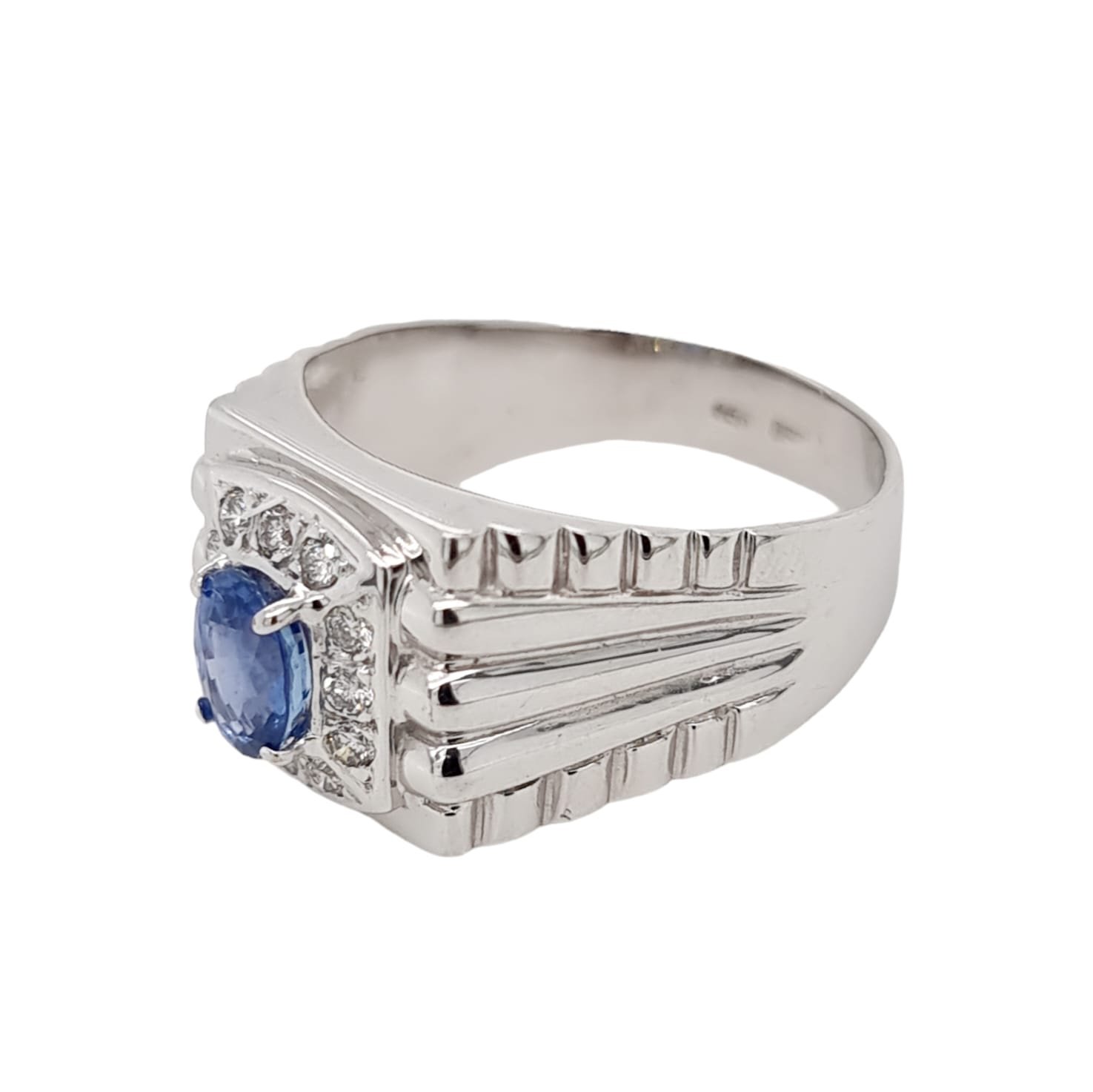
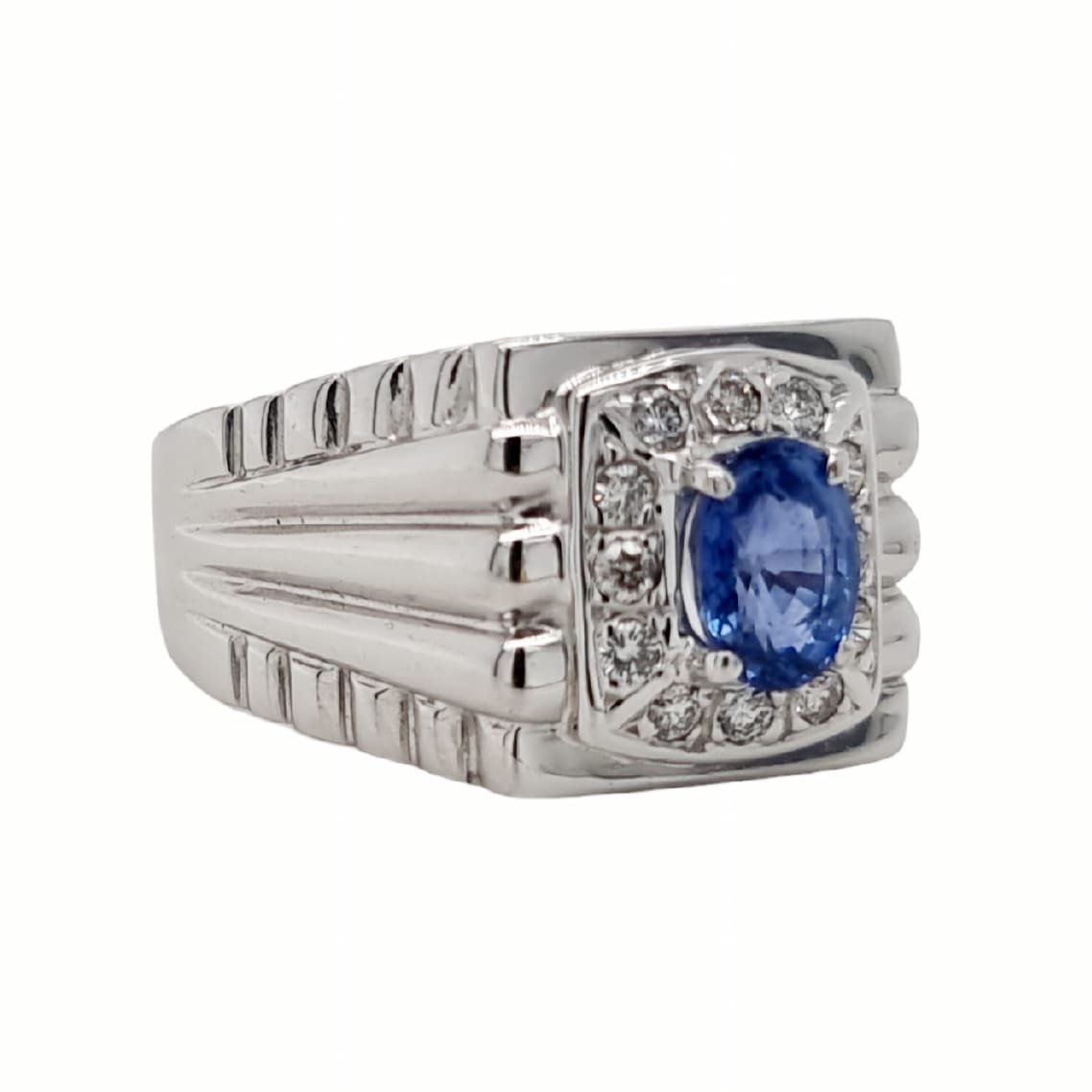
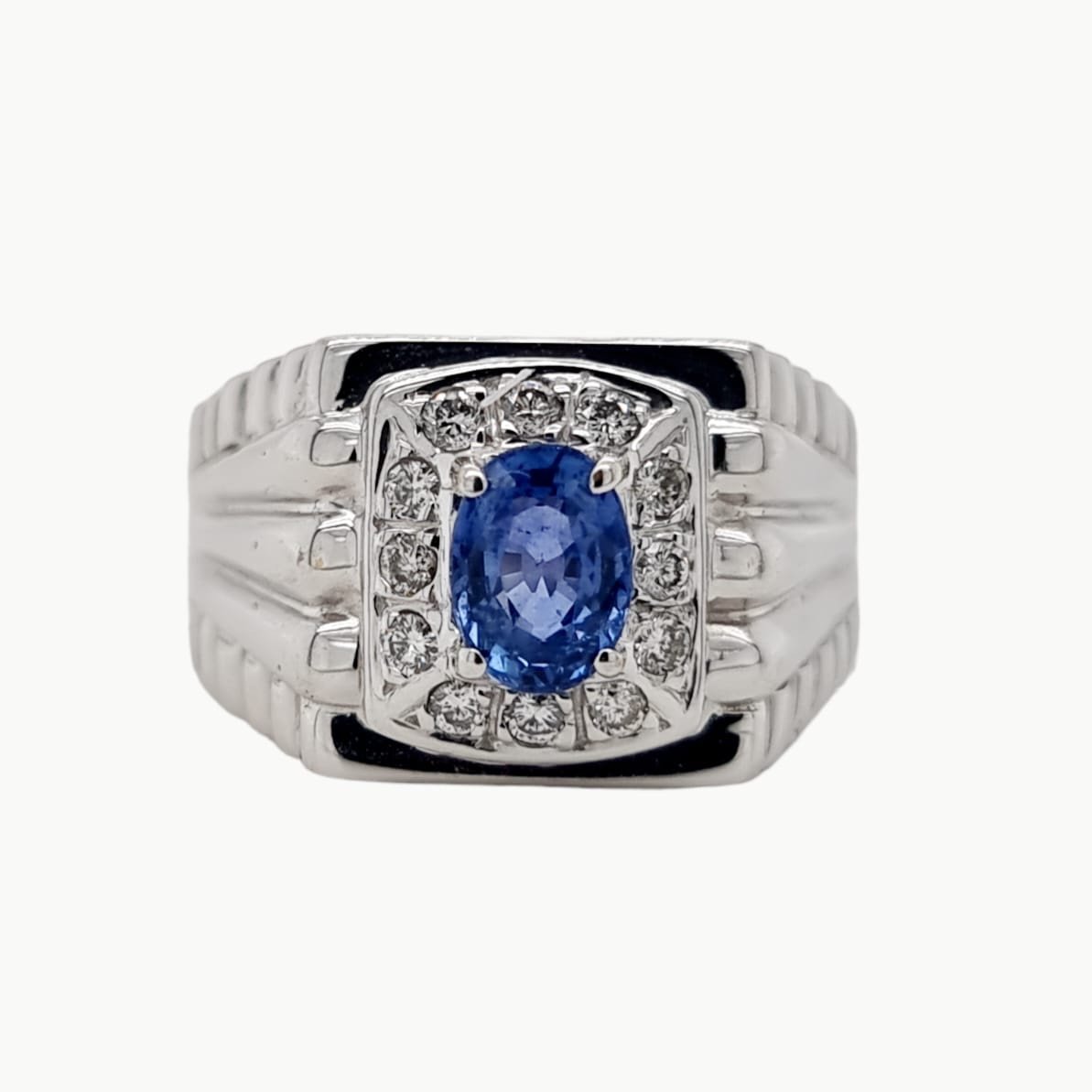
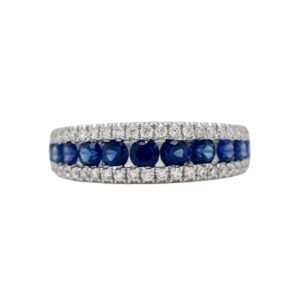
Blue sapphire has long held a distinguished place among connoisseurs, prized for the depth and complexity of colour that no other gemstone quite replicates. This ring pairs a fine blue sapphire with 18k white gold — a setting that recedes gracefully, allowing the stone’s natural saturation to speak without competition. For the discerning collector, a piece like this represents both an heirloom in the making and a lasting store of value rooted in geological rarity.
| Name | 18k white gold Blue Sapphire Ring |
|---|
Frequently Asked Questions
What gives a blue sapphire its colour, and how do I assess saturation quality?
Blue sapphire belongs to the corundum family and derives its colour from trace amounts of iron and titanium within its crystal lattice — the precise ratio of these elements governs whether the stone trends toward a violet-blue, pure blue, or greenish-blue hue. Collectors generally prize a vivid, medium-to-medium-dark blue with strong saturation and minimal grey or brown masking tone. The most coveted examples, often described as ‘Royal Blue’ or ‘Cornflower Blue’, maintain their richness under both natural daylight and incandescent light.
Do blue sapphires exhibit any notable optical phenomena?
Certain blue sapphires display asterism — a six-rayed star effect caused by intersecting needle-like rutile inclusions — when cut as cabochons and viewed under a direct light source. Faceted blue sapphires, such as those set in fine jewellery, are instead evaluated for brilliance, life, and the evenness of colour distribution across the table and crown. Strong pleochroism is also present in sapphire, meaning the stone can appear slightly different in colour depending on the viewing angle, a characteristic a knowledgeable buyer will account for when assessing a stone face-up.
Has this sapphire been treated, and how does treatment affect its value?
The majority of blue sapphires on the market have undergone heat treatment, a widely accepted industry practice that enhances colour and clarity without introducing foreign substances into the stone. Unheated sapphires with a documented laboratory report confirming their natural, no-heat status command a meaningful premium — often two to five times the price of a comparable heated stone, depending on origin and quality. For a serious collector, obtaining a certificate from a respected gemmological laboratory such as GIA, Gübelin, or SSEF is essential to verify treatment status and origin.
How should I care for an 18k white gold blue sapphire ring to preserve it long term?
Sapphire ranks 9 on the Mohs hardness scale, making it highly resistant to everyday scratching, though it remains susceptible to hard knocks that can cause fracturing along internal stress points. The 18k white gold setting should be inspected by a qualified jeweller at least once a year to ensure prongs remain secure and the rhodium plating — which gives white gold its bright, silvery finish — is refreshed as needed. For cleaning at home, a soft brush with warm water and a small amount of mild dish soap is sufficient; ultrasonic cleaners are generally safe for untreated or heat-treated stones but should be avoided if the sapphire has clarity-enhancing fracture fills.





Reviews
There are no reviews yet.