Description
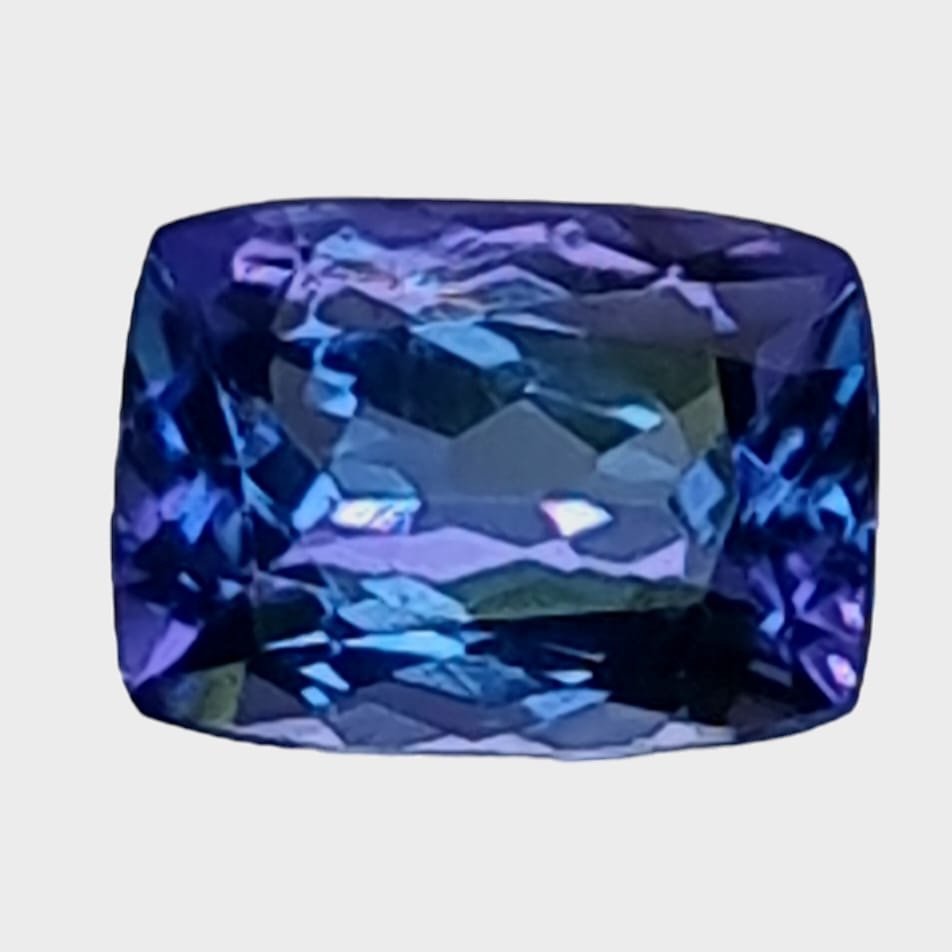
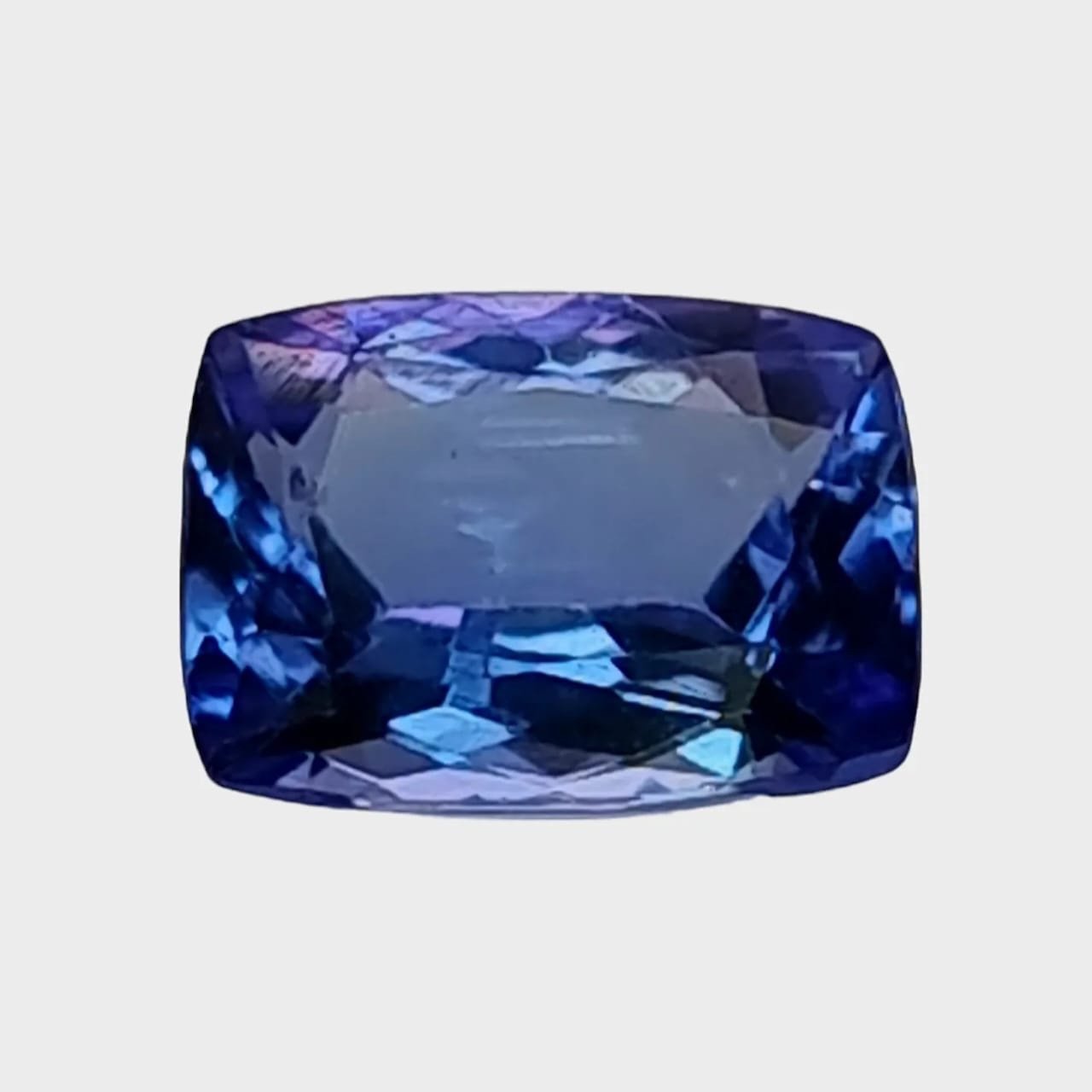
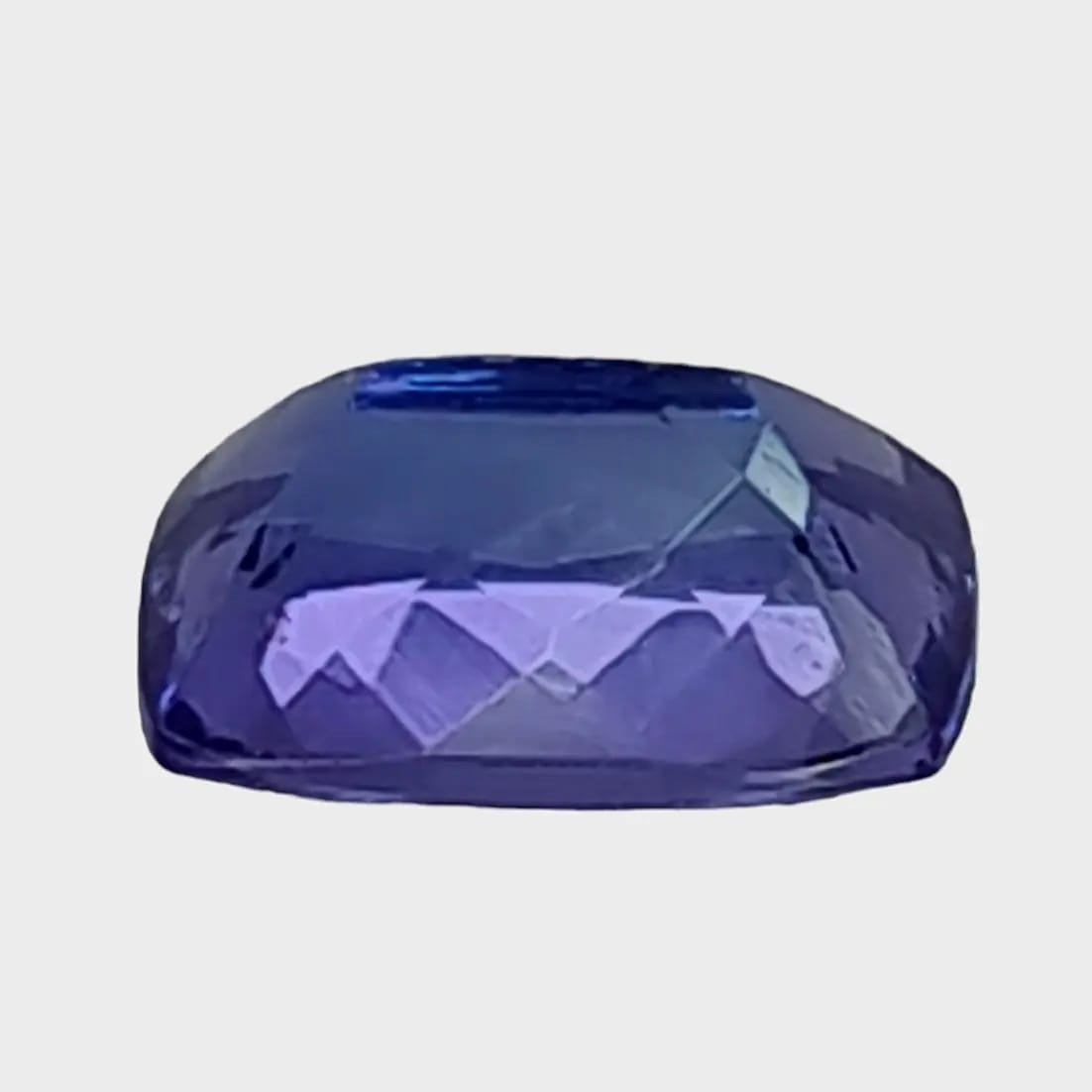
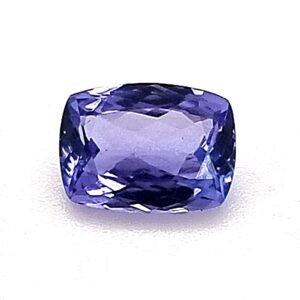
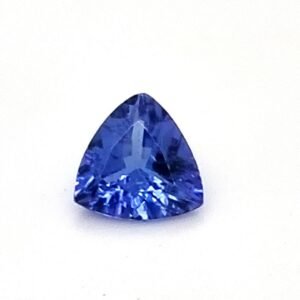
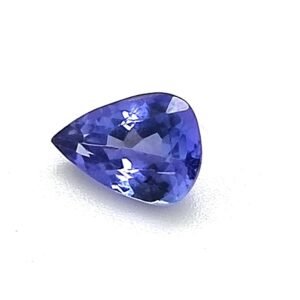
Found only in a single geographical corridor near Mount Kilimanjaro in Tanzania, tanzanite remains one of the rarest coloured gemstones in the collector’s world — statistically a thousand times scarcer than diamond. This 1.61-carat specimen presents the variety’s signature blue with the characteristic violet undertone that shifts in character depending on the light source, moving between a cool, electric blue under daylight and a warmer, more violet-rich hue beneath incandescent illumination. For the discerning collector, a stone of this weight occupies a particularly desirable tier — substantial enough to exhibit the depth of colour that smaller examples simply cannot sustain.
| Name | Tanzanite 1.61 cts |
|---|
| color | Blue |
|---|
Frequently Asked Questions
What gives tanzanite its distinctive blue-violet colour?
Tanzanite’s colour originates from trace amounts of vanadium within the zoisite mineral structure, activated by the natural heat the stone undergoes — either geothermally or through controlled treatment — during its formation or preparation. The resulting hue is strongly pleochroic, meaning the crystal absorbs light differently along its three optical axes, producing distinct blue, violet, and burgundy tones depending on the viewing angle. Cutters work deliberately to orient the stone so that the most desirable blue-violet face is presented to the eye.
How does colour saturation affect the value of a tanzanite?
In tanzanite, colour saturation is the primary driver of value, with deeply saturated stones commanding a significant premium over lighter, more pastel examples. The most sought-after grades are described as vivid or rich blue-violet, where the tone is deep enough to show complexity without crossing into darkness that suppresses the stone’s characteristic glow. A 1.61-carat stone in a well-saturated blue represents a meaningful calibre — large enough that the colour can develop fully, which is often not possible in stones under one carat.
What care does tanzanite require compared to other coloured gemstones?
Tanzanite registers between 6 and 7 on the Mohs hardness scale, which places it below sapphire or ruby and makes it more susceptible to surface abrasion over time if worn in high-contact settings without care. The stone also has distinct cleavage, meaning sharp impacts at certain angles can cause fracturing, so protective settings — such as bezels or well-designed prong work — are advisable for rings intended for daily wear. Cleaning should be limited to gentle washing with mild soap and lukewarm water; ultrasonic and steam cleaners are not recommended.
Is tanzanite considered a sound long-term investment for collectors?
Tanzanite’s investment case is grounded in genuine geological scarcity — the single known deposit in the Merelani Hills of Tanzania is estimated to have a finite supply measured in decades rather than centuries, and no alternative source has been confirmed anywhere in the world. Fine-quality stones above one carat with strong saturation have appreciated consistently over the long term, and collector demand from both Western and Asian markets has remained resilient. Certification from a recognised gemological laboratory, documenting colour grade, weight, and the absence of significant treatments beyond standard heat, is essential for any stone held with long-term value in mind.






Reviews
There are no reviews yet.