Description
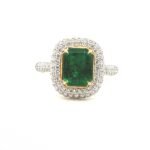
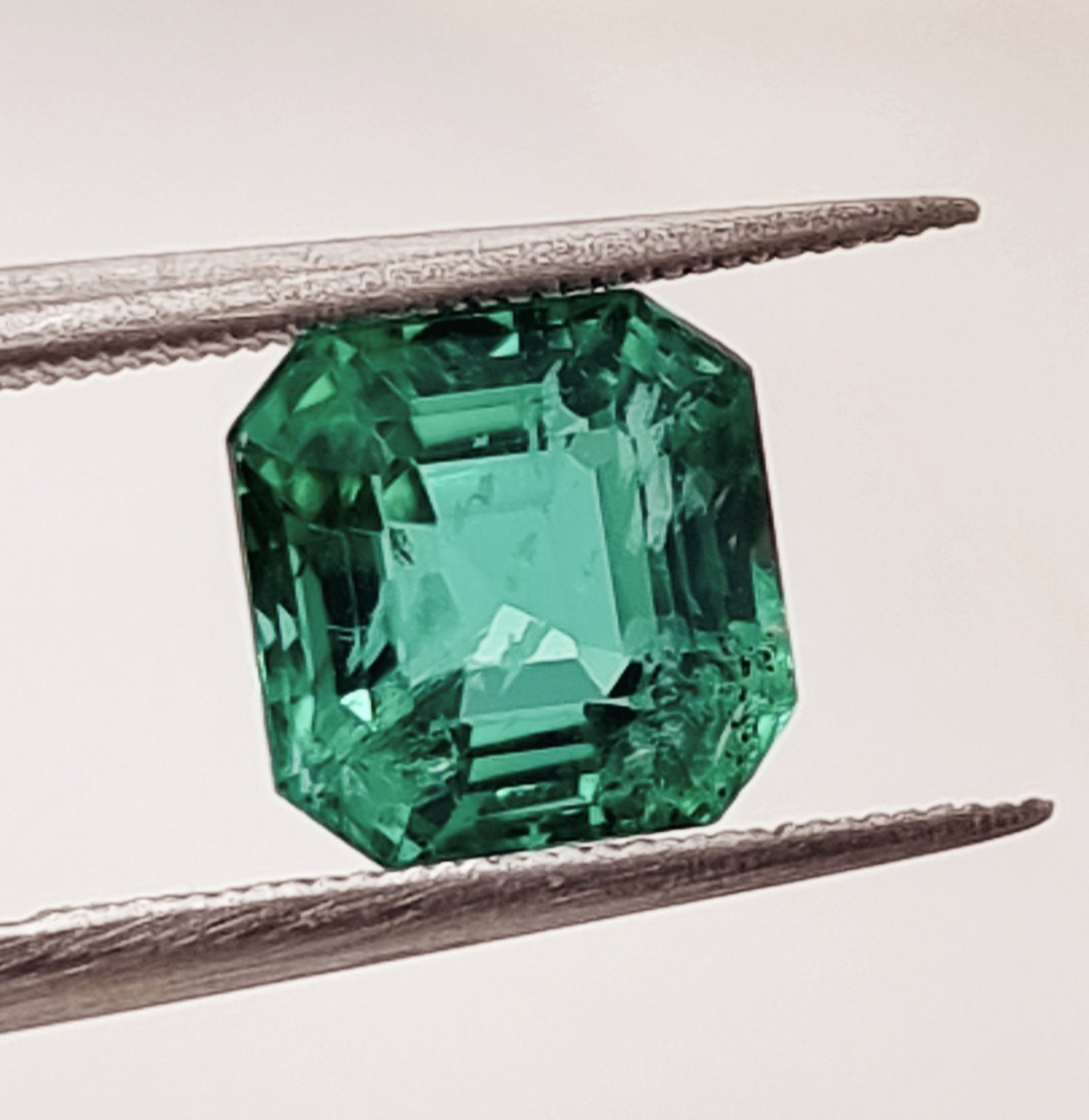
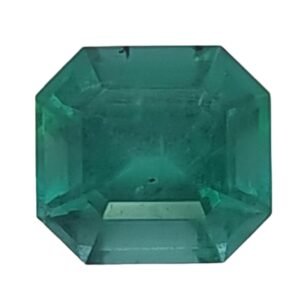
Among the rarest of the cardinal gemstones, emerald commands a reverence that few minerals can match — its deep chromium-driven green speaking to centuries of royal patronage and geological wonder. This 2-carat specimen represents a meaningful threshold for the discerning collector, where presence and rarity converge in a stone substantial enough to carry genuine character. Colombians may dominate the conversation, but fine emeralds from Zambia and Brazil continue to earn their place among connoisseurs who prize depth of colour over provenance alone.
Frequently Asked Questions
What gives an emerald its green colour, and how is colour quality evaluated?
Emerald’s colour originates from trace amounts of chromium, and in some cases vanadium, within the beryl crystal structure — the same element responsible for the red of fine rubies, which makes the resulting green all the more remarkable. Collectors evaluate emerald colour across three dimensions: hue (the ideal being a pure, slightly bluish green), tone (medium to medium-dark is most prized), and saturation (vivid and even, without grey masking). The finest stones achieve what the trade calls ‘Colombian green’ — a warm, intensely saturated hue that retains its presence under varied lighting conditions.
What are ‘jardin’ inclusions and how do they affect an emerald’s value?
Unlike diamonds, where clarity is paramount, emeralds are almost universally included — their internal landscape of fractures, crystals, and fluid-filled cavities is poetically termed ‘jardin,’ French for garden. These inclusions are not only accepted but serve as a fingerprint of natural origin, helping gemologists distinguish earth-grown stones from synthetic alternatives. Value is most significantly impacted when inclusions threaten structural integrity or heavily obstruct transparency; a stone with an eye-clean appearance and minor jardin visible only under magnification retains considerable collector appeal.
How should a fine emerald be cared for, and what treatments should I be aware of?
The vast majority of commercial and fine emeralds — estimated at over 90% — undergo clarity enhancement through the filling of surface-reaching fractures with cedar oil, resin, or proprietary polymers, a practice accepted by the trade when disclosed and properly graded. Owners should avoid ultrasonic cleaners, steam, and prolonged exposure to heat, all of which can draw out or damage these fillings and cause the stone to appear cloudier over time. Gentle cleaning with lukewarm water and a soft brush, along with periodic re-oiling by a qualified gemologist, is sufficient to maintain the stone’s appearance across decades of wear.
Is a 2-carat emerald a sound choice for long-term investment, and what certifications matter?
Fine emeralds at and above 2 carats occupy a category where price-per-carat escalates meaningfully, as clean, well-saturated stones of this size become increasingly scarce in the supply chain — a dynamic that has historically supported value retention and appreciation for collector-grade material. For investment purposes, a certificate from Gübelin, SSEF, or GRS is considered the benchmark, as these laboratories provide not only quality assessments but also origin determinations and precise treatment disclosures that directly influence resale value. Stones accompanied by a ‘minor’ or ‘no’ oil treatment designation from a respected laboratory command a meaningful premium and represent the most defensible position for a long-term holding.



Reviews
There are no reviews yet.